







- Hours
- Open throughout all seasons; pedestrian-only zone accessible at all times
- Where
- Rovinj, Istria
- Directions
- Directions
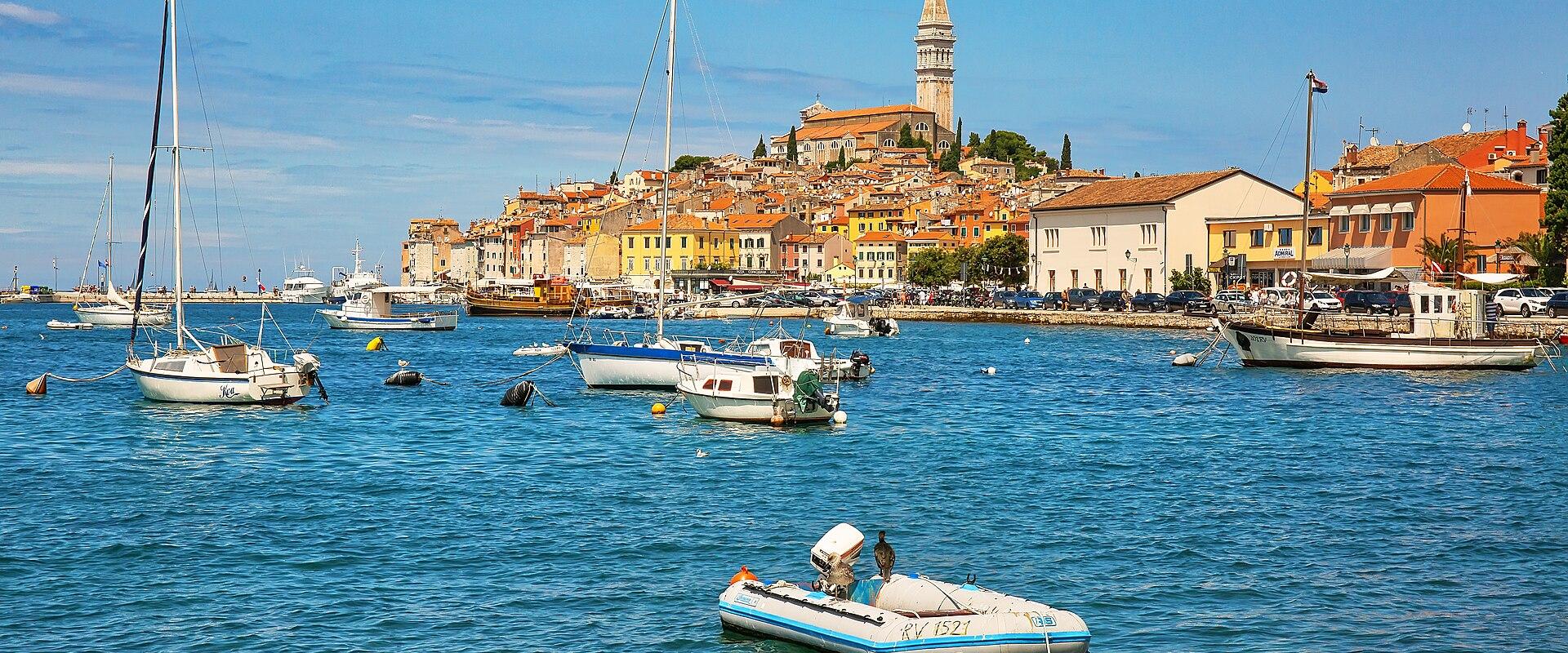
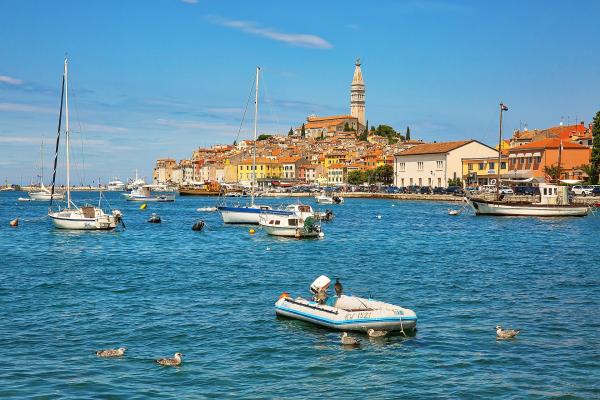
Rovinj Old Town occupies a small oval peninsula on the west coast of Istria, and it is the most photographed town centre on the peninsula. Until the 18th century, it was an island called Ruvigno, separated from the mainland by a narrow channel, and when the channel was filled in, the island became a peninsula. That origin explains the dense, compact plan. Houses rise in tiers up to a central hill, streets spiral upward in tight curves, and small squares open between buildings that seem to touch across the lanes. Cars are not allowed inside, so the town is a place to walk, and the pace is gentle, with only the sound of footsteps, voices and the occasional bicycle bell.
Rovinj has a distinctly Mediterranean identity. For centuries, it was ruled by Venice, which left its mark in the architecture, the stone loggias, the arched doorways and the winged lion carved over some gates. It was a major port, and until the late 19th century, it was the largest fishing and trading town in Istria, with a busy shipbuilding yard and, later, a tobacco factory. Today, Croatian and Italian are both used officially, signs appear in both languages, and some older residents still speak Istriot, a local Romance dialect. This bilingual character gives the town a cosmopolitan feel, and many of the family names and dishes reflect the same mixture.
The crown of the old town is the Church of St. Euphemia, which stands on the highest point and dominates the skyline with its tall bell tower. From the base of the hill, lanes and steps climb past galleries and workshops, and Grisia Street, lined with artists' studios, is the most famous. Balbi's Arch, a Baroque gateway from the 17th century, marks one of the old entrances, and the main square and the fish market near the harbour show the daily life of a working port. The Batana Eco-Museum explains the local flat-bottomed fishing boat and the customs of the fishermen, and remnants of the defensive walls can be found at the edges. From the hilltop and the bell tower, panoramic views take in the Adriatic and the scattering of islands offshore.
There is no admission fee for the streets or the church exterior, and the old town can be explored at any time of year. The cobblestones are polished and uneven, so comfortable shoes are important, and the slope to the church can be steep for some visitors. Rovinj is also a gateway to the coast. Lone Bay, with its pine woods and beaches, the Punta Corrente forest park and the Monkodonja prehistoric hill fort are within easy reach. In summer, the old town is very busy, so early morning and late evening are the quietest times, when the light on the pastel houses is at its best.
The old town suits couples, photographers, art lovers and anyone who enjoys wandering without a plan. Allow half a day, and stay for dinner by the harbour.
More photos coming soon
Opening Hours
- Open
- Open throughout all seasons; pedestrian-only zone accessible at all times
Hours and prices change, especially out of season. Check with the venue before you go.
Nearby Attractions
Other places to visit in Rovinj
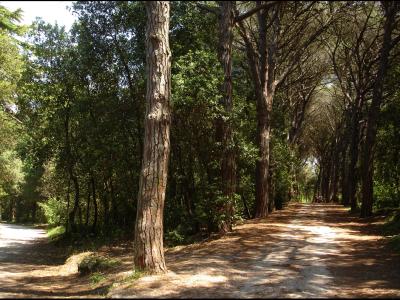
Punta Corrente (Golden Cape) Park
Protected forest park with diverse native flora
Activities & Adventure · Coastal & Maritime
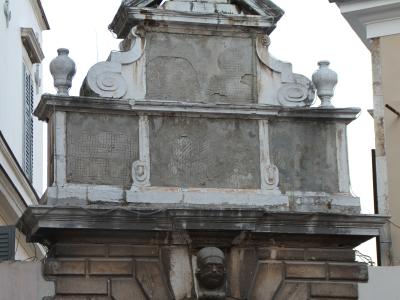
Balbi's Arch
17th-century Venetian arch marking Rovinj’s old town entr...
Free History & Heritage · Urban Exploration
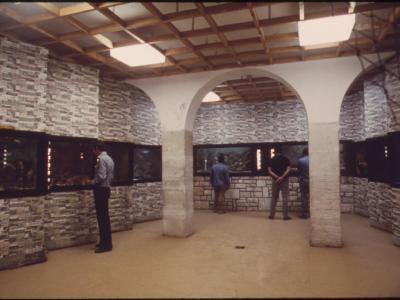
Rovinj Aquarium
Adriatic marine life showcased in coastal Rovinj
Coastal & Maritime · Cultural Experiences
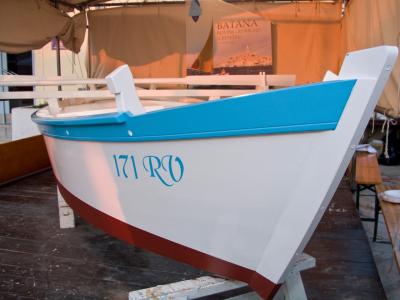
Batana Eco-Museum
Traditional wooden boats and maritime heritage
Cultural Experiences · Natural Wonders
Questions people ask
Quick Facts
Best Time to Visit
April to September offers warm weather, lively festivals, and ideal conditions for sightseeing, beaches, and exploring Rovinj’s old town and islands.