Ruins Of A Massive Yugoslav-era Hospital Complex (Zagreb)
Unfinished 1980s hospital complex in Zagreb
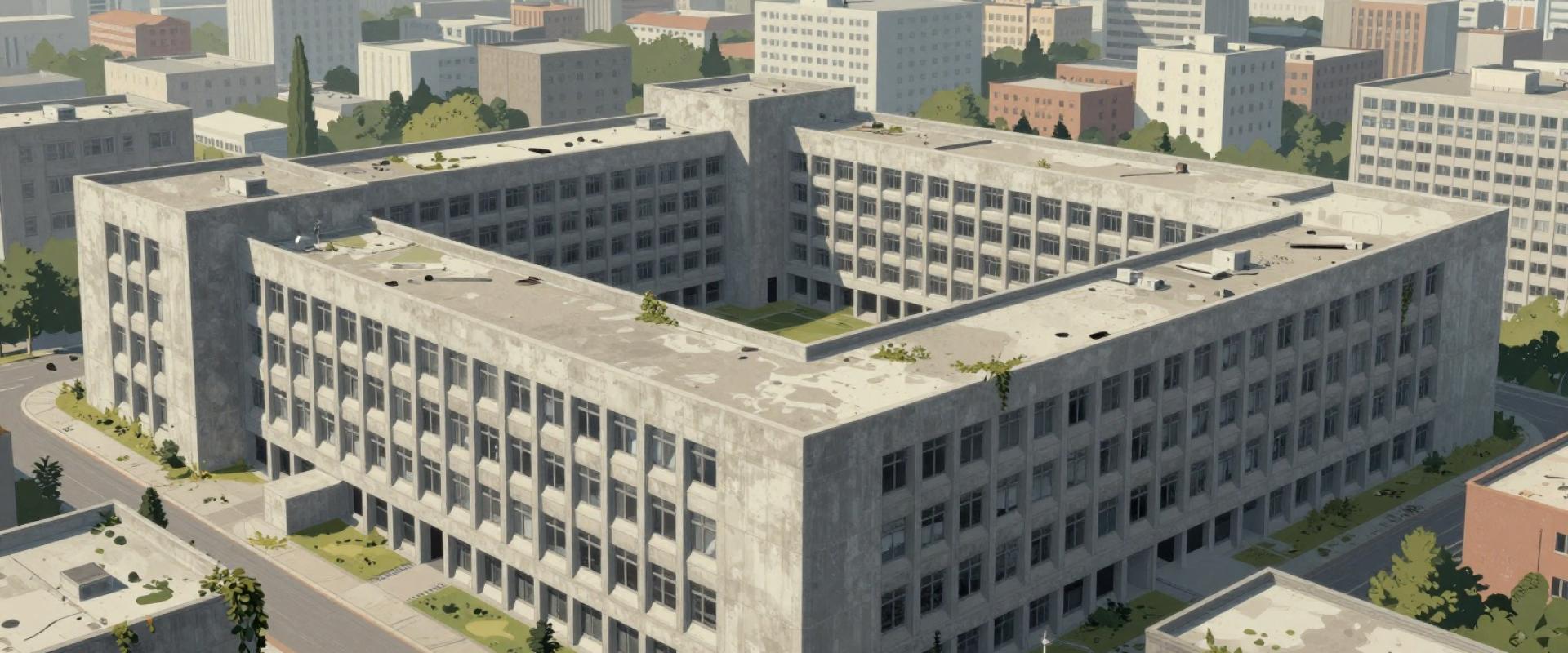
The unfinished hospital complex in Zagreb, often referred to locally as "Blato" (mud), stands as a striking example of post-socialist architectural ambiguity. Construction began in the 1980s under the direction of Yugoslav authorities, with plans for a large, modern medical facility. The project was halted in the early 1990s due to the breakup of Yugoslavia and the subsequent economic turmoil, leaving the structure in a state of suspended animation.
The site is characterized by its massive, raw concrete structure, which remains unfinished and unused. The building’s design, featuring glass elements, contrasts sharply with the surrounding urban environment, creating a stark visual impact. For visitors, the site offers a unique glimpse into the political and economic transitions of the region. The structure serves as a physical reminder of the challenges faced during the transition from socialism to a market economy.
Visitors can observe the building from the outside, as the site is not open to the public for interior access. The exterior provides a compelling subject for photography and architectural interest, highlighting the scale of the abandoned project. The site remains a symbol of political failure and wasted investment, reflecting the complex historical context of the region. While the structure is visually striking, it is important to note that it is not a tourist attraction in the traditional sense, and access is limited to viewing from public areas. The site serves as a quiet, albeit somber, reminder of the historical and political changes that have shaped Zagreb.
Categories
More photos coming soon
Hours & Fees
Hours
The site is not an operational tourist destination.
Admission
Not applicable (site is not an official tourist or
Nearby Attractions
Other places to visit in Zagreb
Frequently Asked Questions
Quick Facts
Best Time to Visit
Late May to mid-September offers warm weather, blooming parks, and lively festivals; spring and early autumn are ideal for sightseeing and outdoor café culture.