







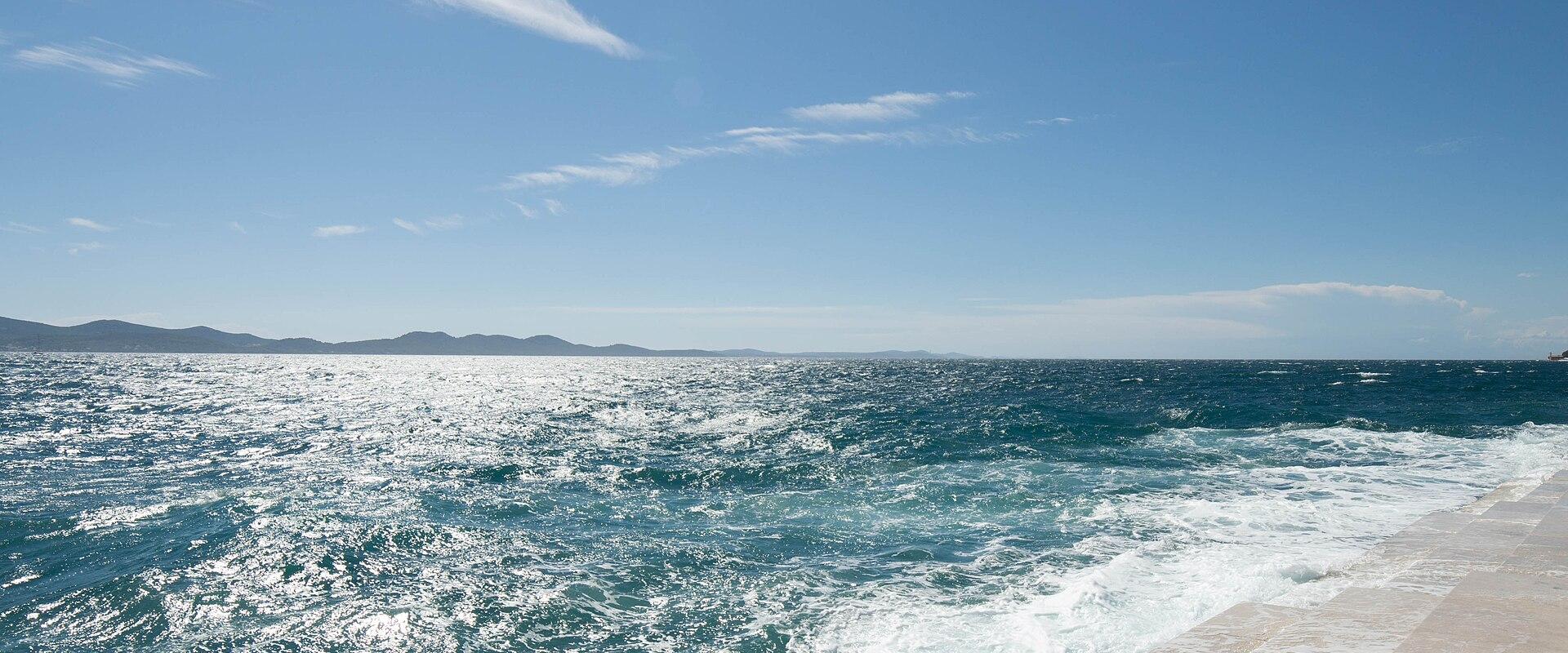
The Sea Organ is one of the most original public spaces in Europe: a set of marble steps at the tip of the old town peninsula in Zadar that plays music using only the movement of the sea. It was designed by the Zadar architect Nikola Bašić and opened in 2005 on a stretch of the waterfront that had been left damaged and empty after the Second World War. The project turned an unused piece of embankment into a place that residents and visitors now use every day, and it won a major European prize for public space in 2006. It has become one of the symbols of the city.
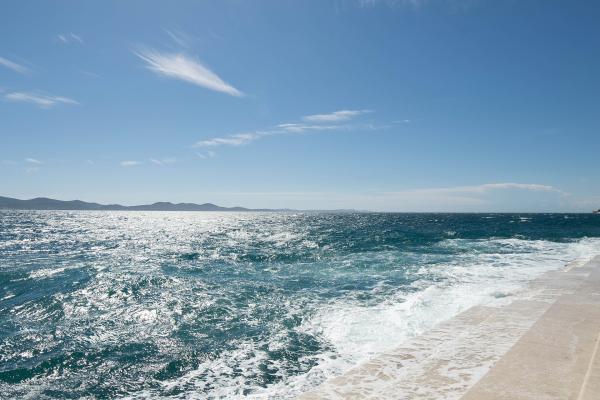
The structure is simple to describe and ingenious in operation. A long flight of white marble steps, around seventy metres wide, leads down to the water, and underneath them runs a system of tubes of different lengths and diameters, together with a resonating chamber. Openings in the top of the steps, along the edge, let the sound out. When waves push air through the pipes, the air makes sounds, and the tuning of the pipes means that the notes form chords. The result is a continuous, shifting, haunting sound, a little like a distant organ or a whale song, that changes with the size and rhythm of the waves. On a calm day the music is soft and low, while on windy days, or when a ferry passes and sends a wave, it becomes louder and richer.
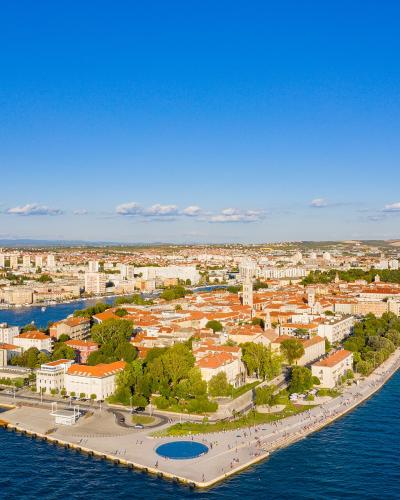
The best way to experience it is to sit on the steps, close to the water, and listen. Many people stay for a long time, watching the sea and the changing light. Sunset is the favoured moment, since the sun sinks behind the islands across the channel, a view that the film director Alfred Hitchcock once called the most beautiful in the world. Next to the organ, a large circle set into the paving, known as the Greeting to the Sun, is a second installation by the same architect, made of glass panels that collect solar energy by day and produce a play of coloured light at night, so that in the evening the shore becomes a kind of stage.
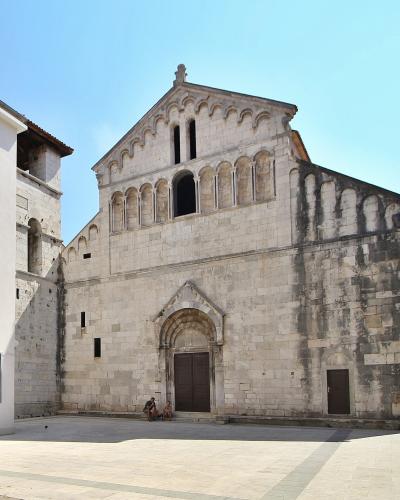
The installation is free and open at all hours, so you can come at any time of day. It is part of the waterfront promenade, and a short walk from the old town's main sights, such as the Roman forum, the church of St. Donatus and the five wells square, some of which are listed in this guide. Cafes and restaurants lie nearby.
Bring a hat and water on hot days, since there is little shade, and note that the marble can be slippery when wet. The place suits everyone, from couples and families to solo travellers, and it works best if you give it time. Plan at least half an hour, and ideally stay for the sunset.
More photos coming soon
Nearby Attractions
Other places to visit in Zadar

Frequently Asked Questions
Quick Facts
Best Time to Visit
Late June to late August offers hot weather, warm sea, and lively events; May, June, and September are quieter with pleasant temperatures for sightseeing.