







Senj City Museum (Gradski muzej Senj)
Historic palace showcasing Senj’s cultural heritage
- Where
- Senj, Lika
- Directions
- Directions
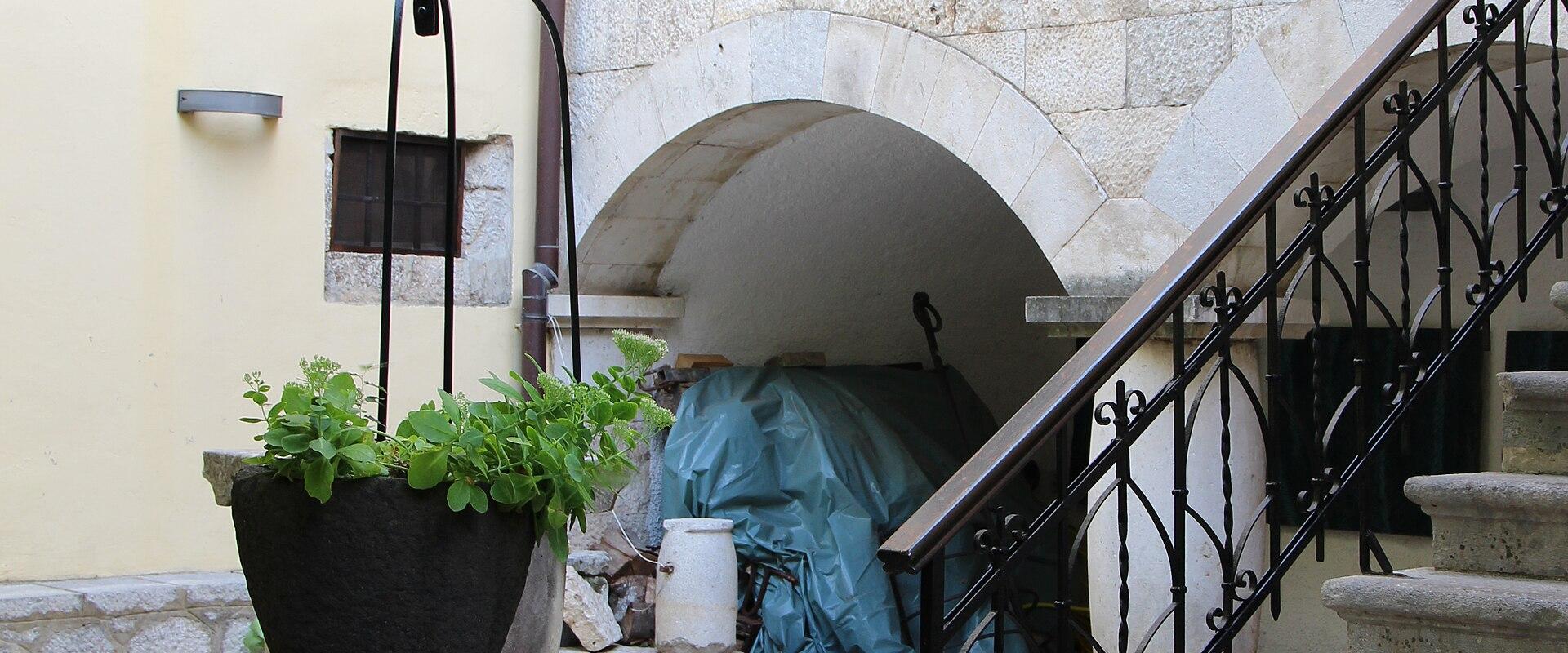
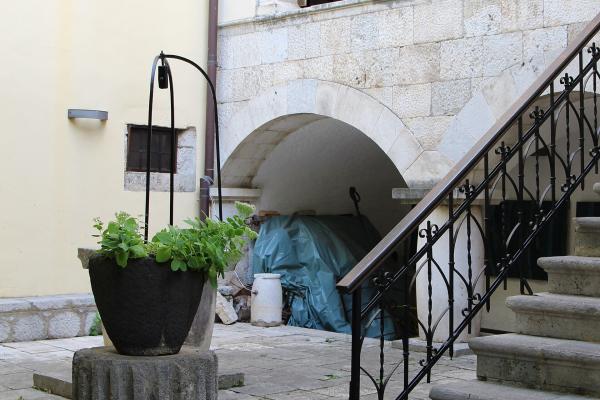
The Senj City Museum, Gradski muzej Senj, is housed in the Vukasović Palace in the old town of Senj, the historic port on the Adriatic coast at the foot of the Velebit mountain. The palace is a handsome stone building with Gothic and Renaissance features, dating from the 15th and 16th centuries, and it was the residence of a noble Senj family. Senj has been settled since ancient times, when the Romans called it Senia, and it grew in the Middle Ages into an important port and a centre of Croatian culture. It was a home of the Glagolitic script, and one of the first printing presses in the Croatian lands produced Glagolitic books here in the late 15th century. In the 16th and 17th centuries, the town was the base of the Uskoks, fighters and sea raiders who defended the frontier against the Ottomans and troubled Venetian shipping, and their story is still told in the Nehaj Fortress above the town.
The museum was established in the 20th century and brings together a wide range of collections that cover the story of the town and its surroundings. The archaeological section displays finds from prehistoric and Roman times, including pottery, tools and inscriptions, and there is also material from underwater research, which shows how the sea itself preserves the history of ancient shipping. A section on the Homeland War of the 1990s tells of more recent events. The ethnographic collection presents the traditions of the Bunjevac community, a Croatian group with its own costumes, crafts and customs that has lived in the Senj region and in other areas, and its objects give a sense of daily life in the mountains and on the coast. A natural history section showcases the plants and animals of the Velebit mountain, a unique and rich landscape of rock, forest and meadow.
The museum also keeps a specialist library and archive, with photographs and documents about the history of Senj and the region, known as the Seninensia collection, which is of interest to researchers. The building itself is part of the experience, with stone vaults, old staircases and rooms that reflect the way noble families once lived. Most visitors spend one to two hours here, and staff are friendly and happy to answer questions. The museum is open year-round, with longer hours on weekends in July and August, and it stands at Milana Ogrizovića 5, a short walk from the centre.
Senj has other sights close by. The Town Gate, the medieval centre and the Parish Church of the Assumption of Mary give a sense of the old town, the Nehaj Fortress and Park Nehaj sit on the hill above, and the Vratnik pass, where the wind called the bura blows hardest, is nearby. The coast road along the Velebit channel is a famous scenic drive.
The museum suits history lovers, families and curious travellers. Combine it with a walk through the old town and a visit to Nehaj.
Categories
More photos coming soon
Nearby Attractions
Other places to visit in Senj
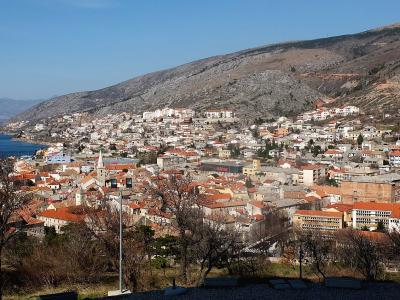
Medieval Downtown Senj
Historic streets framed by Romanesque and Gothic architec...
Cultural Experiences · History & Heritage
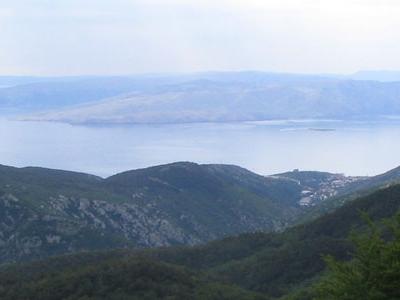
Vratnik
Historic fortress with panoramic coastal views
Cultural Experiences · History & Heritage
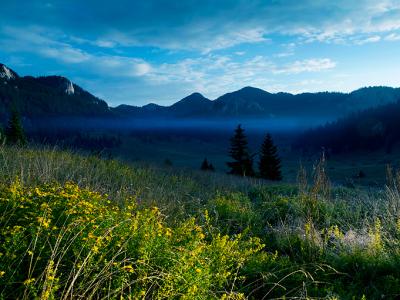
Park Nehaj
Historic park surrounding Nehaj Fortress
Activities & Adventure · Natural Wonders
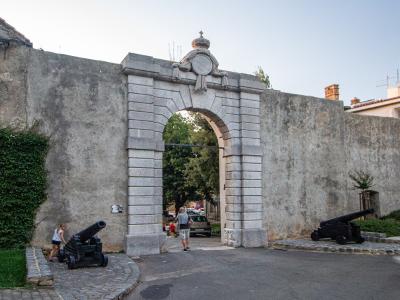
Gradska vrata (Town Gate)
16th-century stone gateway to Senj’s old town
History & Heritage · Urban Exploration
Questions people ask
Quick Facts
Best Time to Visit
April through October offers warm weather, inviting sea, and ideal conditions for beaches, hiking, and exploring the fortress and old town.