







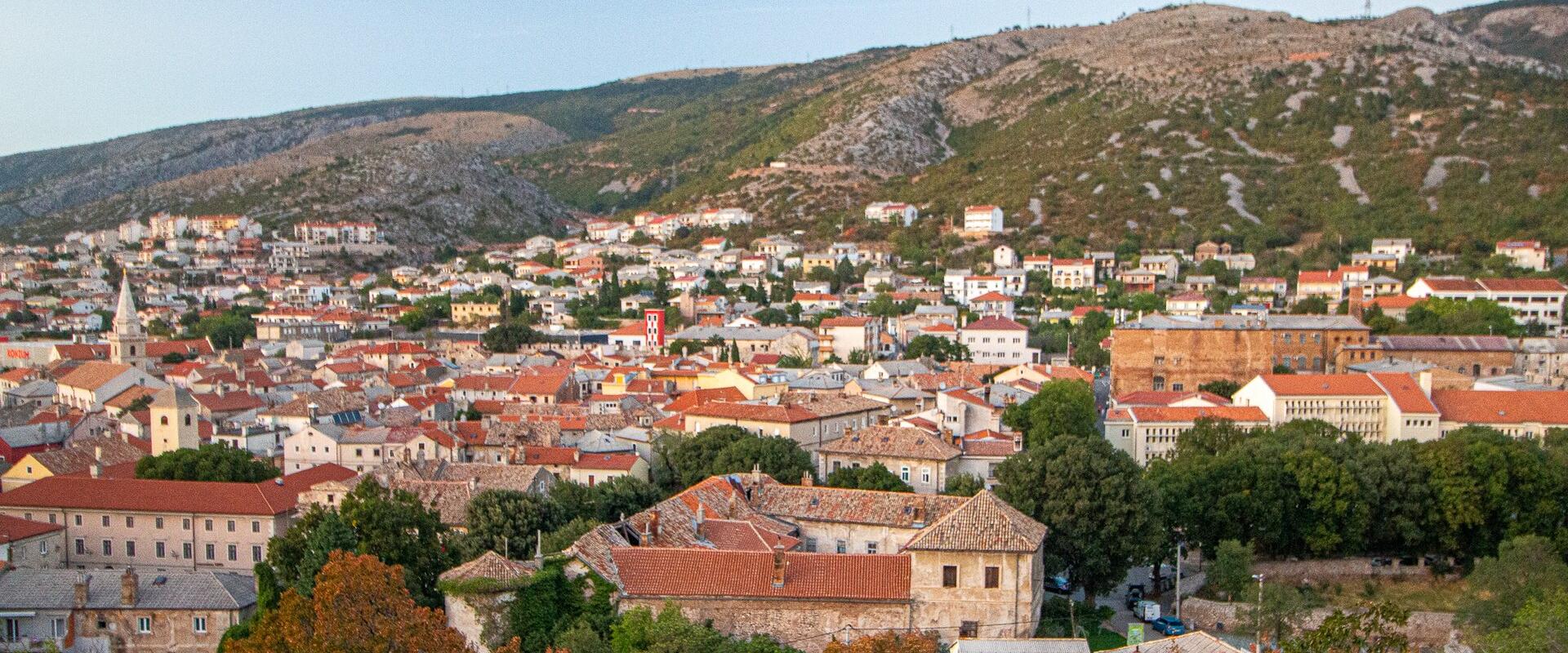
Senj’s history stretches back more than 3,000 years, with its origins as a Liburnian and Roman settlement. In the Middle Ages Senj became a vital defensive outpost and trading port, and most famously the stronghold of the Uskoks, warriors who defended the town against Ottoman and Venetian attacks. The Uskoks were refugees from lands conquered by the Ottomans, who settled in Senj with the support of the Habsburgs, and their raids on shipping became a major cause of conflict between Venice and Austria. The town’s most iconic landmark is the Nehaj Fortress, built in the 16th century on a hill above Senj. The fortress offers panoramic views of the Adriatic and the surrounding mountains, and today it houses a museum dedicated to the Uskoks and the town’s turbulent past. Park Nehaj surrounds the fortress and offers shade and paths for walks.
The old town of Senj is a maze of narrow alleys, stone houses and historic churches, including the Cathedral of the Assumption of Mary, also called the Cathedral of St. Mary, and the Church of St. Francis. The Town Gate, the Gradska vrata, welcomes visitors into the old core, and the lively square, Trg Cilnica, is a focal point for locals and visitors. The Senj City Museum, the Gradski muzej, offers a fascinating look at the history and culture of the district. In the 15th century Senj had one of the first printing presses for books in the Glagolitic script, a milestone in Croatian culture. The waterfront promenade is lined with cafes, restaurants and shops, while the harbor is a hub for fishing boats, yachts and boat excursions to nearby islands. Senj’s pebble beaches, such as Prva Draga and Skver, are popular for swimming, sunbathing and water sports, with clear water and family-friendly facilities.
Outdoor activities abound in and around Senj. The Velebit Mountains offer hiking, mountain biking and wildlife watching, with trails leading to scenic viewpoints and hidden valleys. The Planinarski dom Zavizan (Zavižan), a mountain hut at high altitude with a meteorological station, is a popular base for exploring the Northern Velebit National Park, and the Premužić Trail starts nearby. Day trips to the islands of Rab, Pag and Krk, or to the Plitvice Lakes National Park, are easily arranged by car or boat. Senj is also known for the bura, a cold north-east wind that blows in gusts down the slopes, and it makes the town one of the windiest on the Adriatic, which windsurfers and kitesurfers enjoy and which can close the coastal road in winter.
Cultural life in Senj is lively, with festivals, concerts and community events that celebrate local music, cuisine and maritime traditions. The best known is the Senj Summer Carnival, with a parade of historic costumes and the Uskok tradition. The town’s restaurants serve fresh seafood, lamb, homemade pasta and regional wines, best enjoyed with a view of the sea or fortress. Local markets and food festivals show the flavors of the region, which makes Senj a favorite for food and culture lovers.
A visit to Senj fits well into a trip along the coast. The town is small enough to see in half a day, with the fortress, the old town and a walk along the shore, but those who stay overnight will enjoy the evening calm and the lights on the water. Many people also use Senj as a base for the Northern Velebit and the islands.
Getting to Senj is straightforward. The town is accessible by road from Rijeka, Zagreb and other regional centers, with well-maintained highways and regular bus connections. Parking is available near the harbor and old town, and the compact layout makes it easy to explore on foot. Accommodation options range from hotels and guesthouses to private apartments and campsites, catering to a variety of preferences and budgets.
The best time to visit Senj is from April through October, when the weather is warm, the sea is inviting and the town’s beaches, festivals and outdoor activities are in full swing. Summer offers hot, sunny days and lively events, while spring and early autumn provide mild temperatures, fewer crowds and beautiful scenery, suited to hiking, sightseeing and the relaxed pace of coastal life. Whether you seek history, adventure or a taste of authentic Croatia, Senj offers a memorable and rewarding stay.
Best time to visit
April through October offers warm weather, inviting sea, and ideal conditions for beaches, hiking, and exploring the fortress and old town.
What to see in Senj
Our picks first.
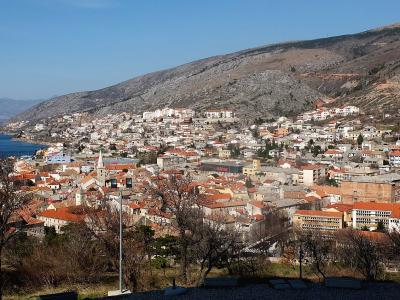
Medieval Downtown Senj
Historic streets framed by Romanesque and Gothic architec...
Cultural Experiences · History & Heritage
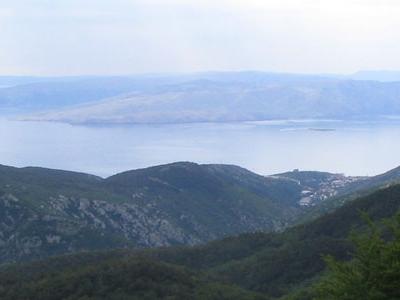
Vratnik
Historic fortress with panoramic coastal views
Cultural Experiences · History & Heritage
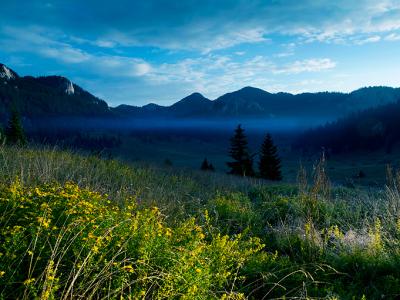
Park Nehaj
Historic park surrounding Nehaj Fortress
Activities & Adventure · Natural Wonders
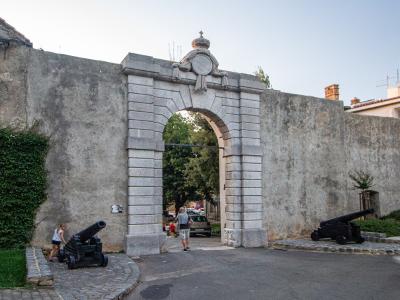
Gradska vrata (Town Gate)
16th-century stone gateway to Senj’s old town
History & Heritage · Urban Exploration
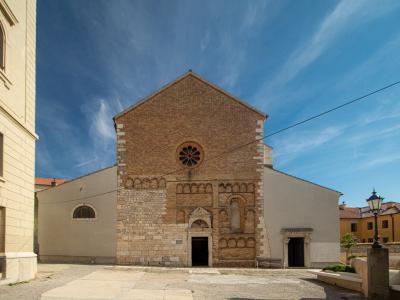
Parish Church of the Assumption of Mary (Župna crkva Uznesenja Marijina)
Historic church with Glagolitic wall writings
Cultural Experiences
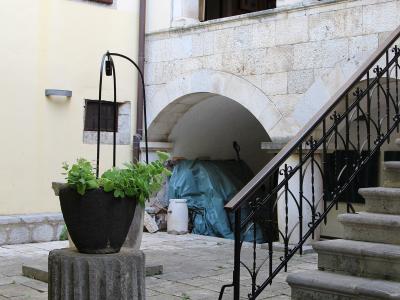
Senj City Museum (Gradski muzej Senj)
Historic palace showcasing Senj’s cultural heritage
Cultural Experiences · History & Heritage
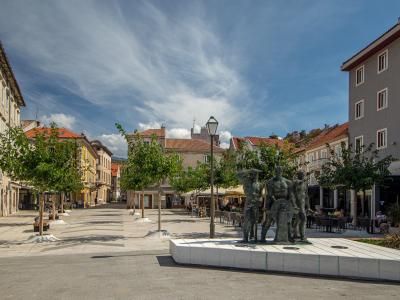
Trg Cilnica
Historic square with sea views and local markets
Cultural Experiences
Senj by interest
The same sights, grouped by what you came for.
Planning a visit to Senj
Itineraries that include Senj
Good to know
- Currency
- EUR
- Language
- Croatian
Quick Facts
Book your stay
Questions people ask
More places in Lika
Lika
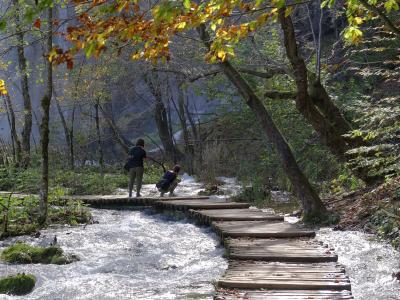
Plitvice Lakes National Park
UNESCO park with turquoise lakes, waterfalls, and wooden trails
Lika
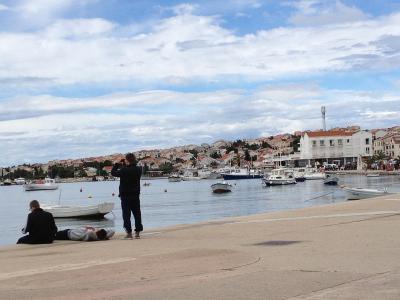
Novalja
Pag Island’s party town with beaches, nightlife, and lunar landscapes
Lika
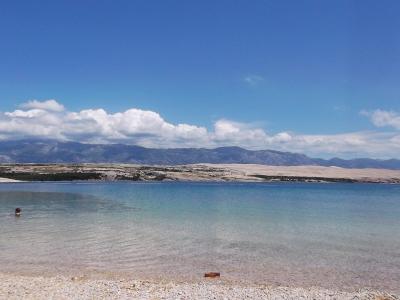
Zrće
Pag Island’s legendary party beach with clubs and water sports
Lika
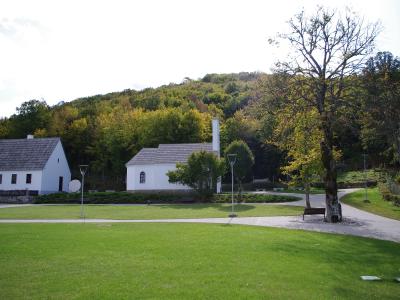
Smiljan
Birthplace of Nikola Tesla in scenic Lika countryside