







- Where
- Split, Dalmatia
- Directions
- Directions
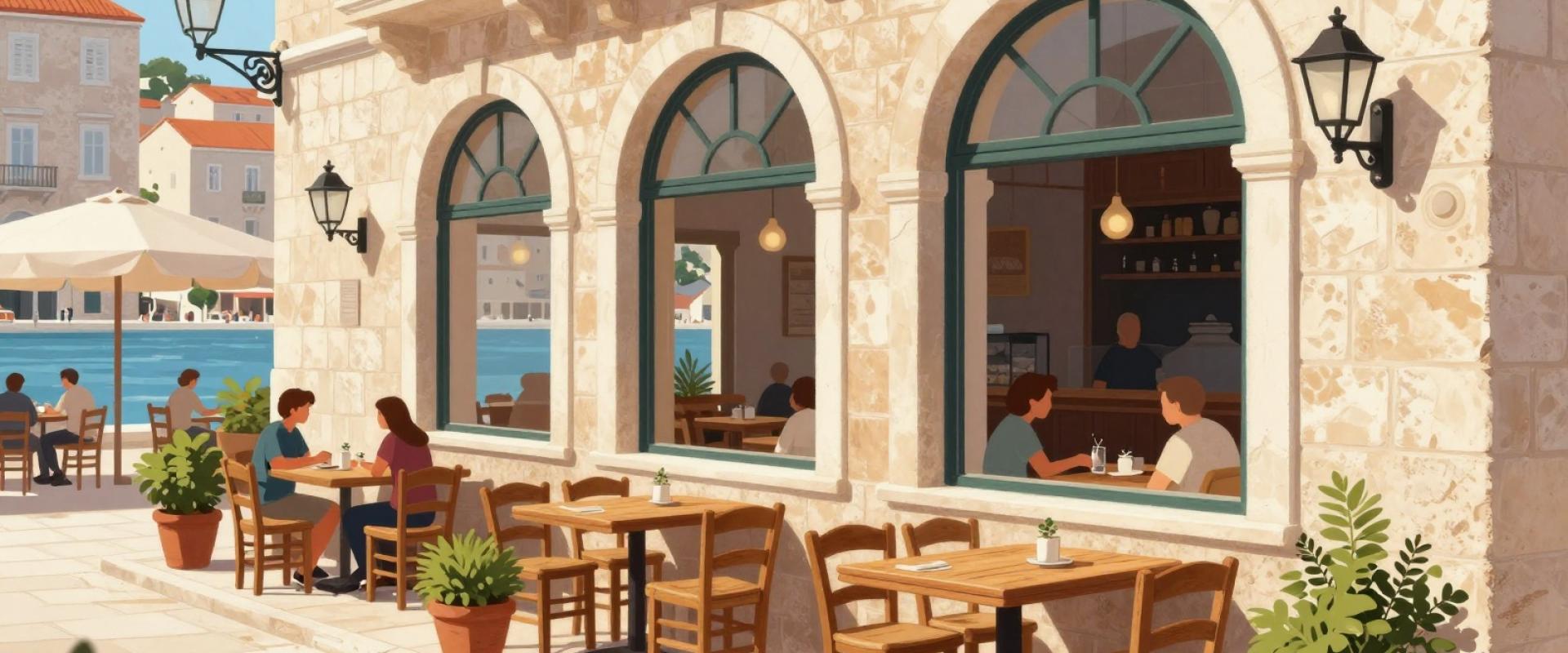
In Split, drinking coffee is not a quick stop on the way to somewhere else; it is a main event of the day. The locals have a word for the pleasure of doing nothing, fjaka, a kind of relaxed mental state that settles over Dalmatia in the afternoon heat, and the café is the temple of fjaka. A coffee ordered at a table can last an hour or two, nobody will hurry you, and watching the world go by is the whole point. For a visitor, spending an hour at a café is among the best ways to understand the rhythm of the city.
The setting adds to the pleasure. The centre of Split's old town is Diocletian’s Palace, the Roman emperor's retirement home, built around the year 300 and now a UNESCO World Heritage site, and within its walls, cafés spread across squares and lanes that were designed for an emperor. The Peristyle, the stone-columned central square beside the cathedral, is the most atmospheric place to sit: tables and low cushions stand among Roman columns and steps, and the cathedral's Romanesque bell tower rises above. Coffee here costs more than in other places, as you pay for the view, but the setting is hard to match. Narrow lanes inside the palace walls hold smaller cafés with tables in the shade, where the stones are cool and the noise of the crowds is muted.
Along the waterfront, the Riva, a wide, palm-lined promenade, offers a different kind of café culture. The terraces face the harbour and the ferries, with the island of Brač on the horizon, and the Riva is the place to see and be seen in the evening, when people walk up and down in their best clothes. A coffee in the morning, a cold drink at midday or a glass of wine at sunset are all part of the routine. The usual orders are espresso, a macchiato or a cappuccino, and in the heat many locals drink cold coffee with ice. In the evening, a glass of Dalmatian wine or a shot of rakija, the local fruit brandy, is common, and a small plate of cheese, ham and olives may come with it.
Opening times vary, and most cafés open early and close late. Prices are higher in the palace and on the Riva, and it is worth knowing that you can pay less in the streets just outside. There is no entry fee, and a seat at a table costs only what you order.
The experience suits everyone, from couples to families, and it is best on a slow morning or at sunset. Take your time, and do not ask for the bill in a hurry.
Categories
More photos coming soon
Nearby Attractions
Other places to visit in Split
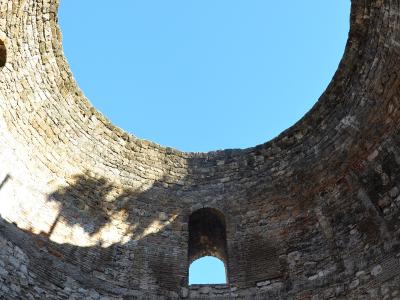
Diocletian's Palace
Ancient Roman palace and UNESCO site in Split
Cultural Experiences · History & Heritage

ATV Tour Near Split
ATV quad tours through Dalmatian canyons and rivers
Activities & Adventure
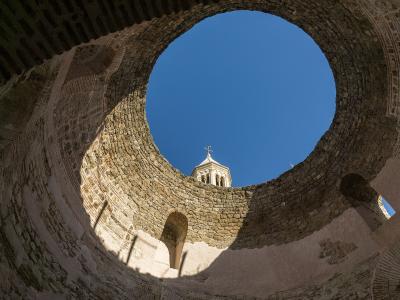
Bell Tower Of Saint Domnius
60m Romanesque bell tower in UNESCO site
Cultural Experiences · History & Heritage
Cathedral Treasury Split (Cybele Temple)
UNESCO site housing Roman and Baroque art
Cultural Experiences · History & Heritage
Questions people ask
Quick Facts
Best Time to Visit
May to June and September to October offer warm weather, fewer crowds, and ideal conditions for sightseeing, beaches, and exploring Split’s vibrant old town.