







- Where
- Trogir, Dalmatia
- Directions
- Directions
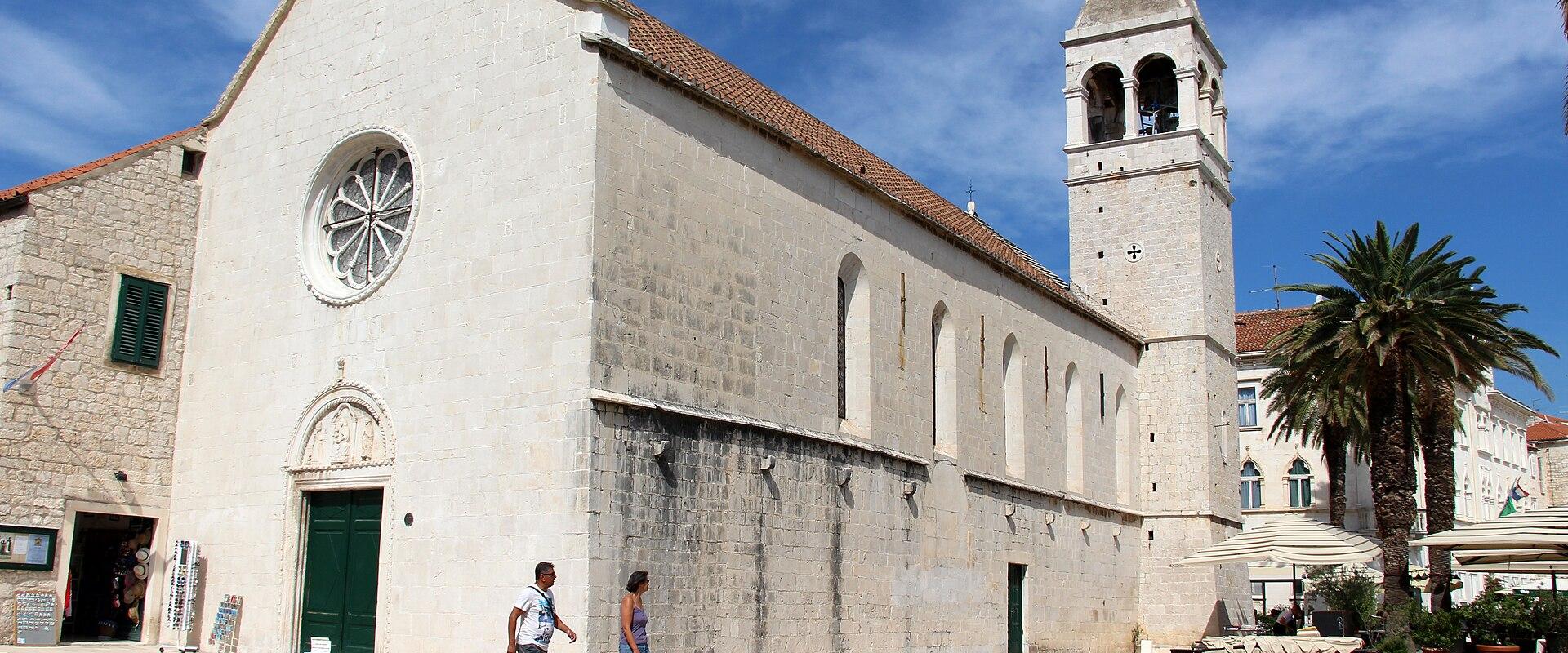
St. Dominic Monastery is a Dominican house in the old town of Trogir, the small walled city on an island between the Dalmatian mainland and the island of Čiovo, in Croatia. It has been part of the town for about eight centuries, and it is one of several religious buildings that make Trogir’s UNESCO-listed old town so rich in architecture of different periods.
The Dominican order, founded in the early thirteenth century by Saint Dominic, spread quickly across Europe, and its friars arrived in Dalmatian towns within a few decades. Their houses were centres of preaching, teaching and charity, and the churches they built are usually large and plain, designed for sermons to big congregations. In Trogir, the monastery was founded in the thirteenth century and developed over the following centuries, adding a church, cloister and living quarters. Its architecture combines Gothic and Renaissance elements, typical of Dalmatia, where Gothic forms continued late and merged gradually with the Renaissance style that came from Italy.
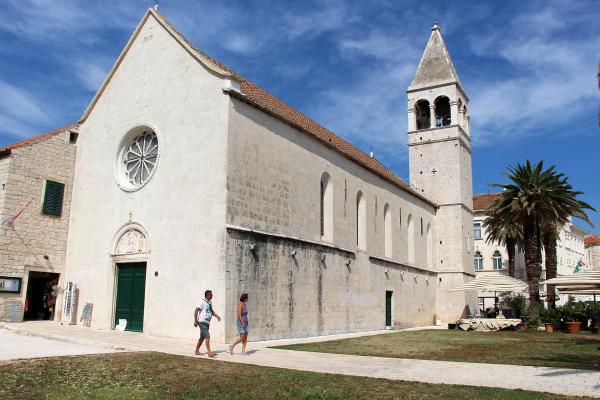
The church is the core of the complex, the Church of St. Dominic, with a wide nave and a façade that has carved details around the portal. Inside, there is an altar and a number of works of art, including tombs and sculpture, although the display is modest and the main impression is of space and quiet. The cloister is the other highlight, a square courtyard surrounded by arcades with slender columns and carved capitals, around a small garden. These cloisters were designed for walking and reflection, and the combination of stone, light and greenery gives them a calm, almost timeless feeling. For many visitors it is a refreshing contrast to the crowded streets outside.
The monastery’s position, in the old town, makes it easy to combine with other places. The Cathedral of St. Lawrence, with its famous Romanesque portal by the master Radovan, the Kamerlengo Fortress by the harbour, the Cipiko Palace, the Town Loggia, the clock tower and church of St. Sebastian, the North or Land Gate and the Riva promenade are all within a few minutes’ walk. The old town is small enough to walk around in a couple of hours, though most people spend longer, stopping for coffee and sights.
Visitors should note that, because it is a working religious house, visiting arrangements can vary with services and the season, so check at the entrance, and dress modestly with shoulders and knees covered. Avoid noise, especially in the cloister. A visit takes about half an hour. The monastery suits lovers of quiet architecture, art and history, and it is a good place to retreat from the midday heat or the summer crowds.
Categories
More photos coming soon
Nearby Attractions
Other places to visit in Trogir
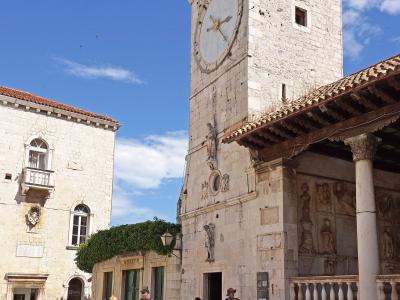
St. Sebastian’s Church and Clock Tower
15th-century plague vow church with clock tower
History & Heritage · Urban Exploration
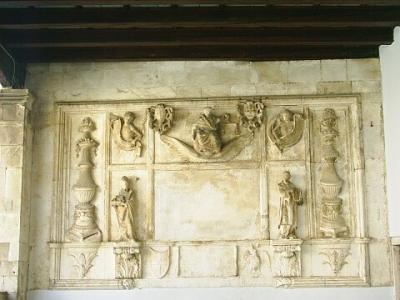
Town Loggia
Historic Loggia featuring Petar Berislavic relief
Cultural Experiences
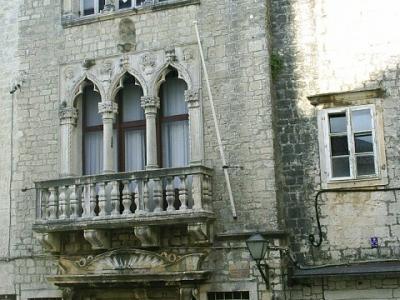
Cipiko Palace
13th-century palace with Gothic-Renaissance blend
History & Heritage · Castles
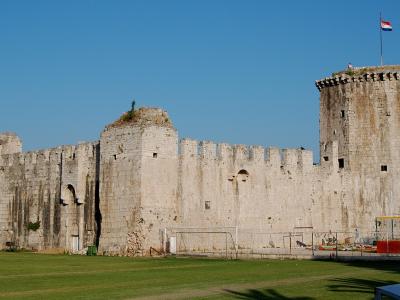
Kamerlengo Fortress
15th-century Venetian fortress with coastal views
History & Heritage · Castles
Questions people ask
Quick Facts
Best Time to Visit
Late June to late August offers hot weather, warm sea, and lively events; May, June, and September are quieter with pleasant temperatures for sightseeing.