







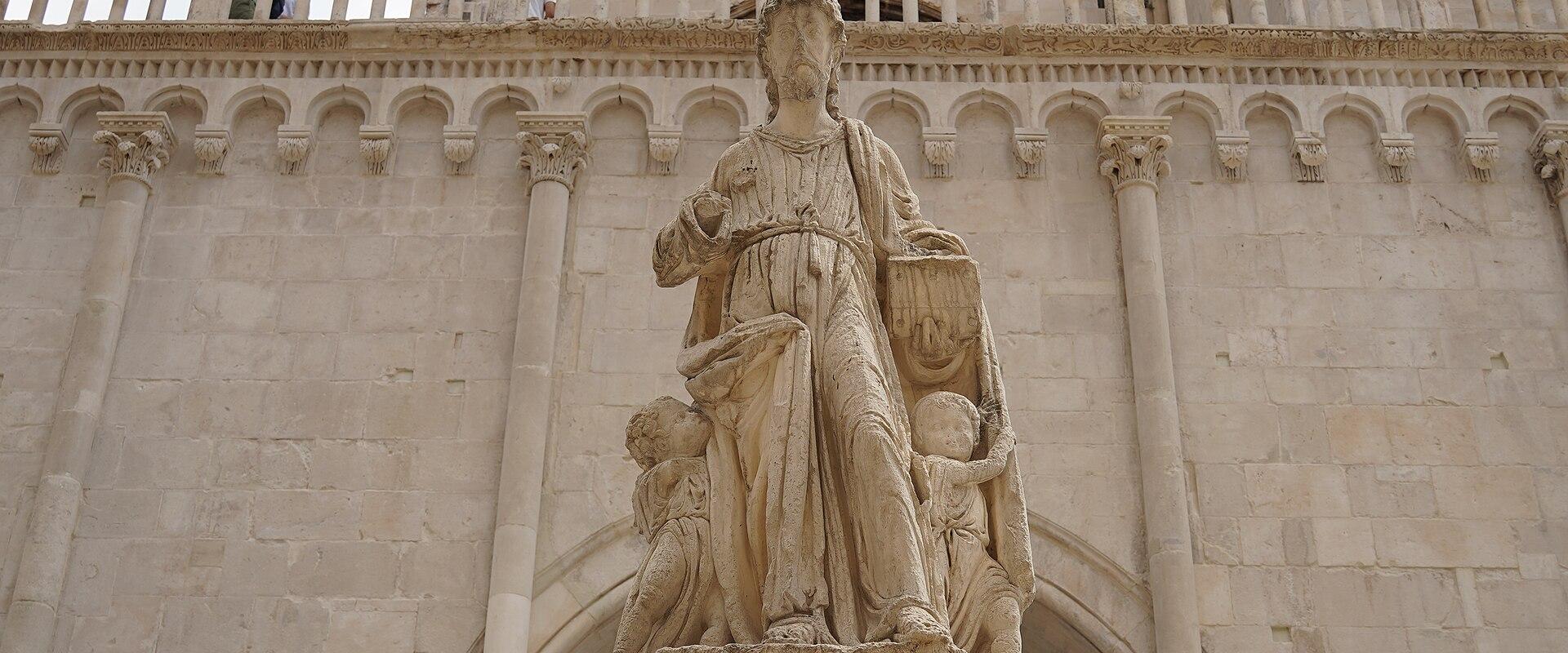
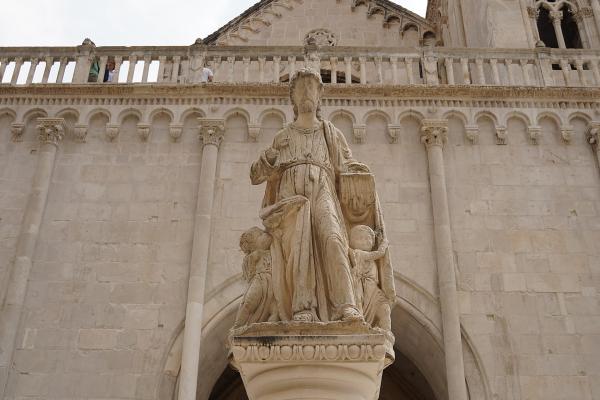
St. Lawrence Cathedral (Cathedral of St. Lovro)
Romanesque-Gothic cathedral with Renaissance bell tower
- Where
- Trogir, Dalmatia
- Directions
- Directions
The Cathedral of St. Lawrence, Katedrala sv. Lovre or St. Lovro in the local form, is the great church of Trogir, the small walled town on an island in central Dalmatia, in Croatia, and it is regarded as one of the finest medieval buildings on the Adriatic and one of Croatia’s great monuments. It stands on the main square, the centre of the town, and its tall bell tower rises above the roofs of a UNESCO World Heritage old town, so it is difficult to lose sight of it anywhere in Trogir’s old town.
Despite its harmony, the cathedral took a very long time to build. Work began in the thirteenth century, after an earlier church was destroyed, and it continued for several centuries, so that the building shows a succession of styles. The main body of the church is Romanesque, with round arches, thick walls and a basilica plan with three aisles, and later parts add Gothic and Renaissance features. This slow growth gives it a harmonious but layered character, rather like an architectural history in stone. The bell tower, which is the last big addition, is a particularly good example of how styles changed: it rises in three distinct levels, the first Gothic, the second in the flowery Gothic style typical of Venetian architecture, and the third in the Renaissance manner, and the whole composition is a landmark visible from far across the water.
The great glory of the cathedral is its western portal, carved by Master Radovan in the first half of the thirteenth century and signed by him, which is regarded as the masterpiece of Romanesque sculpture in Croatia. The doorway is framed by columns resting on two stone lions, with statues of Adam and Eve standing on their backs, a remarkable and lifelike pair that are among the earliest nude figures in the sculpture of the region. Reliefs around the arch show scenes of the life of Christ, as well as everyday life, with hunters, farmers and craftsmen going about their work, and carved details of animals and fantastical creatures. It repays careful looking, and many people spend more time at the portal than anywhere else.
Inside, the cathedral has a cool, vaulted interior with fine carved choir stalls, a stone pulpit and a number of chapels. The most important is the chapel of St. John of Trogir, the town’s patron saint, a bishop of the twelfth century whose relics are kept here. It is a Renaissance masterpiece in its own right, with a barrel vault covered in niches and statuary. The climb up the bell tower is a highlight for those who do not mind the steps, offering a panoramic view over the red roofs of the old town, the harbour, the island of Čiovo and the Adriatic.
The cathedral is a working church, so visiting times depend on services, and visitors should dress modestly. Admission arrangements and prices change with the season. It suits lovers of architecture and art, and a visit takes about an hour. Combine it with the Town Loggia, Cipiko Palace and the Kamerlengo Fortress, all nearby.
Categories
More photos coming soon
Nearby Attractions
Other places to visit in Trogir
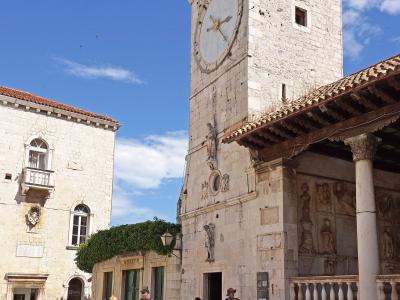
St. Sebastian’s Church and Clock Tower
15th-century plague vow church with clock tower
History & Heritage · Urban Exploration
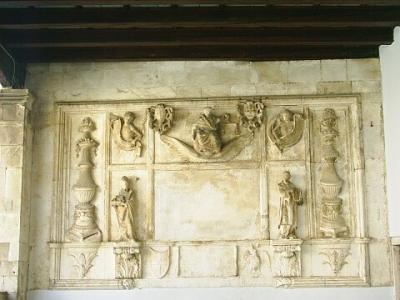
Town Loggia
Historic Loggia featuring Petar Berislavic relief
Cultural Experiences
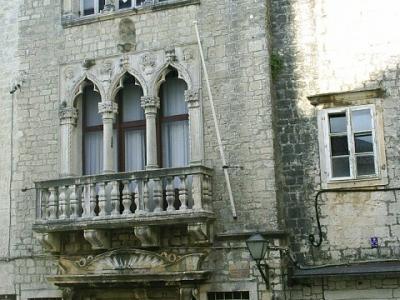
Cipiko Palace
13th-century palace with Gothic-Renaissance blend
History & Heritage · Castles
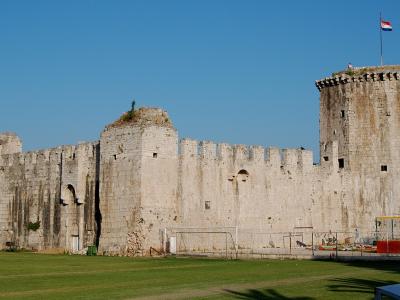
Kamerlengo Fortress
15th-century Venetian fortress with coastal views
History & Heritage · Castles
Questions people ask
Quick Facts
Best Time to Visit
Late June to late August offers hot weather, warm sea, and lively events; May, June, and September are quieter with pleasant temperatures for sightseeing.