







- Where
- Ston, Dalmatia
- Directions
- Directions
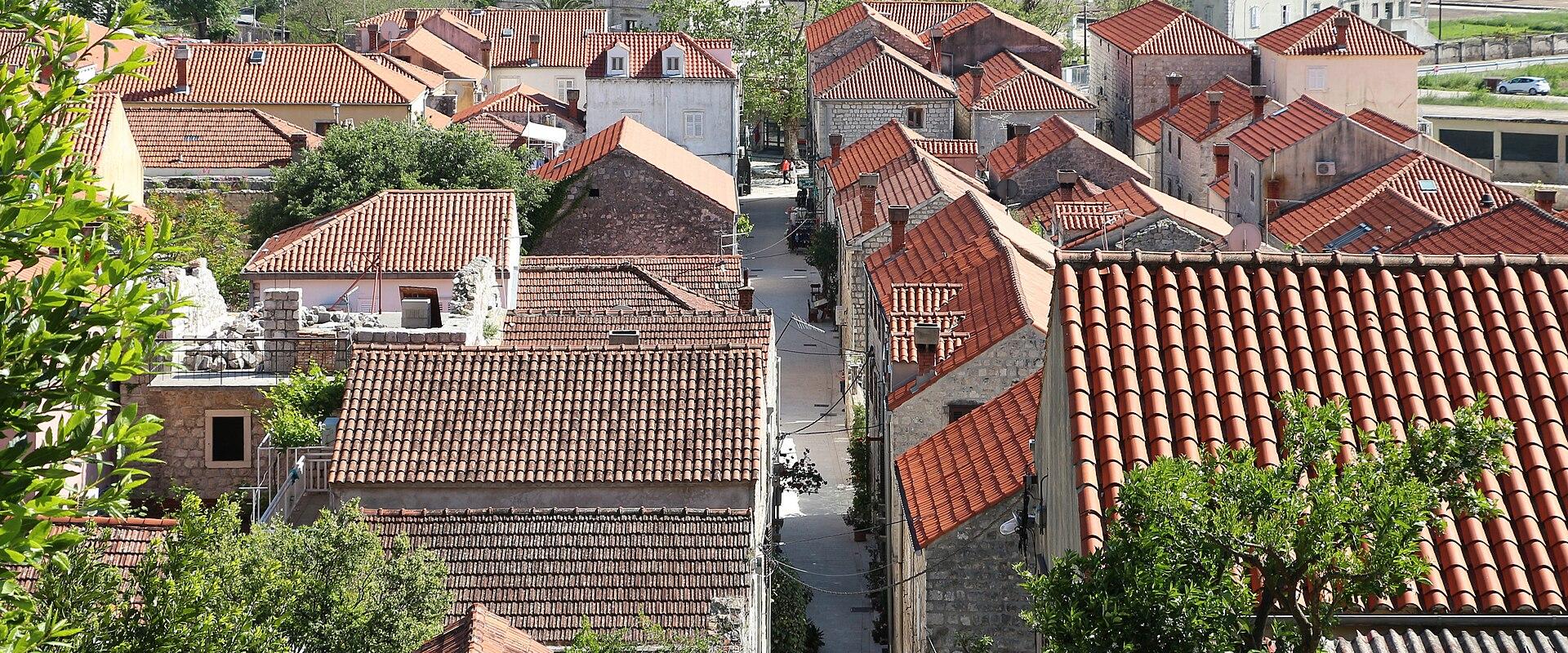
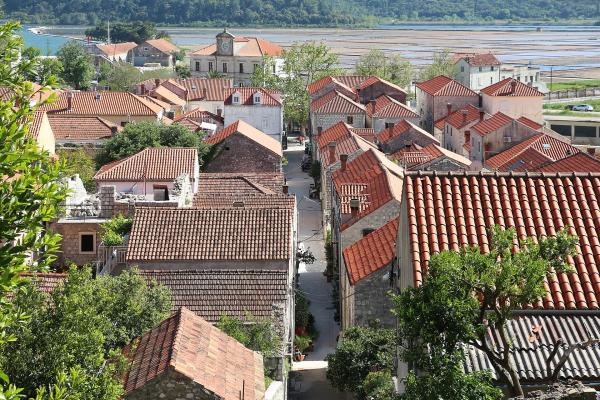
Placa is the name Ston’s residents use for the broad central street and open space at the middle of the old town, on the neck of the Pelješac peninsula. It is the natural starting point for a visit: the lanes of the town spread out from it, and the great fortification system that Ston is known for rises on the hills just above the roofs.
To understand why the town looks the way it does, it helps to know who built it. In the Middle Ages Ston belonged to the Republic of Ragusa, as Dubrovnik was then called, and the Ragusans treated it as a strategic outpost. They controlled the salt pans below the town, which brought in important revenue, and from the 14th century they surrounded Ston and neighbouring Mali Ston with the Walls of Ston, a long stone circuit with many towers that climbs over the hillside and counts among the longest surviving fortification systems in Europe. The streets inside were laid out on a fairly regular plan with a deliberate sense of order, unusual for a small Adriatic settlement and very different from the tangled lanes of towns that grew organically.
Ston Main Square shows how that order works in practice. Stone houses with plain, solid façades line the open space, and shops, a café or two and a few civic and church buildings give it a quiet, useful character. It is not a grand, show-off piazza. Ston is one of Croatia’s quieter historic towns, and visitors tend to notice how few people there are compared with Dubrovnik, and how easily they can pause for coffee in the shade before heading on.
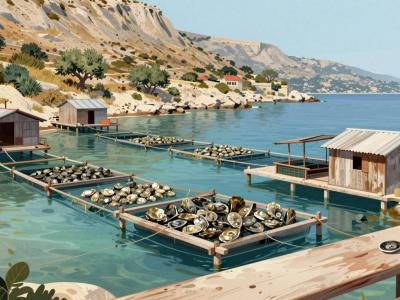
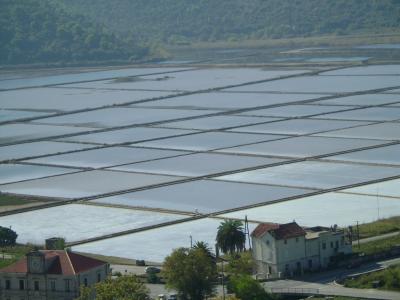
From here it is a short walk to the gates and the foot of the wall stairs, which is the usual way to begin the climb along the ramparts. The same streets lead to the other sights in the area. The salt pans at Solana Ston lie just outside the town, and the shellfish beds nearby are the reason the surrounding villages are known for their oysters. Many visitors end the day with a table of local seafood within a few minutes’ walk of Placa.
The town was heavily damaged by an earthquake in 1996, and restoration work has repaired much of what was lost, so some buildings look newer than their age suggests. For travellers, the square works best as a calm, orienting pause rather than a destination in its own right. It suits anyone combining the walls, the salt pans and the oysters into a single relaxed day on the peninsula.
Categories
More photos coming soon
Nearby Attractions
Other places to visit in Ston
Ston Oyster Farms
Family-run oyster farm in historic Mali Ston Bay
Coastal & Maritime · Food & Gastronomy
Ston Saltworks (Solana Ston)
Europe’s oldest preserved salt pans since Roman times
Cultural Experiences
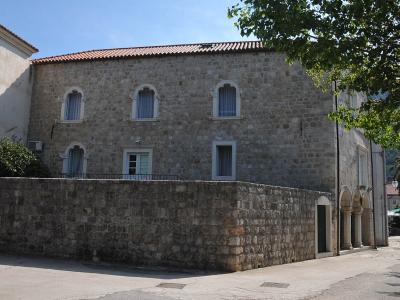
Ston Lapidarium (Lapidarij Ston)
Medieval stone artifacts in historic Bishop’s Palace
Cultural Experiences · History & Heritage
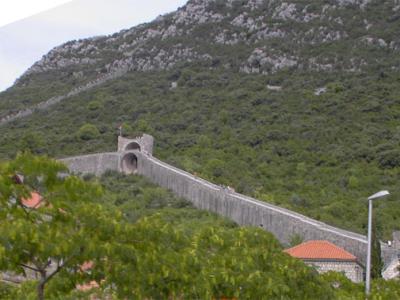
Ston Walls
Medieval stone walls with panoramic coastal views
History & Heritage · City Walls
Questions people ask
Quick Facts
Best Time to Visit
Late May to September offers warm weather, inviting sea, and ideal conditions for hiking the walls, oyster tastings, and exploring the Pelješac Peninsula.