







- Where
- Ston, Dalmatia
- Directions
- Directions
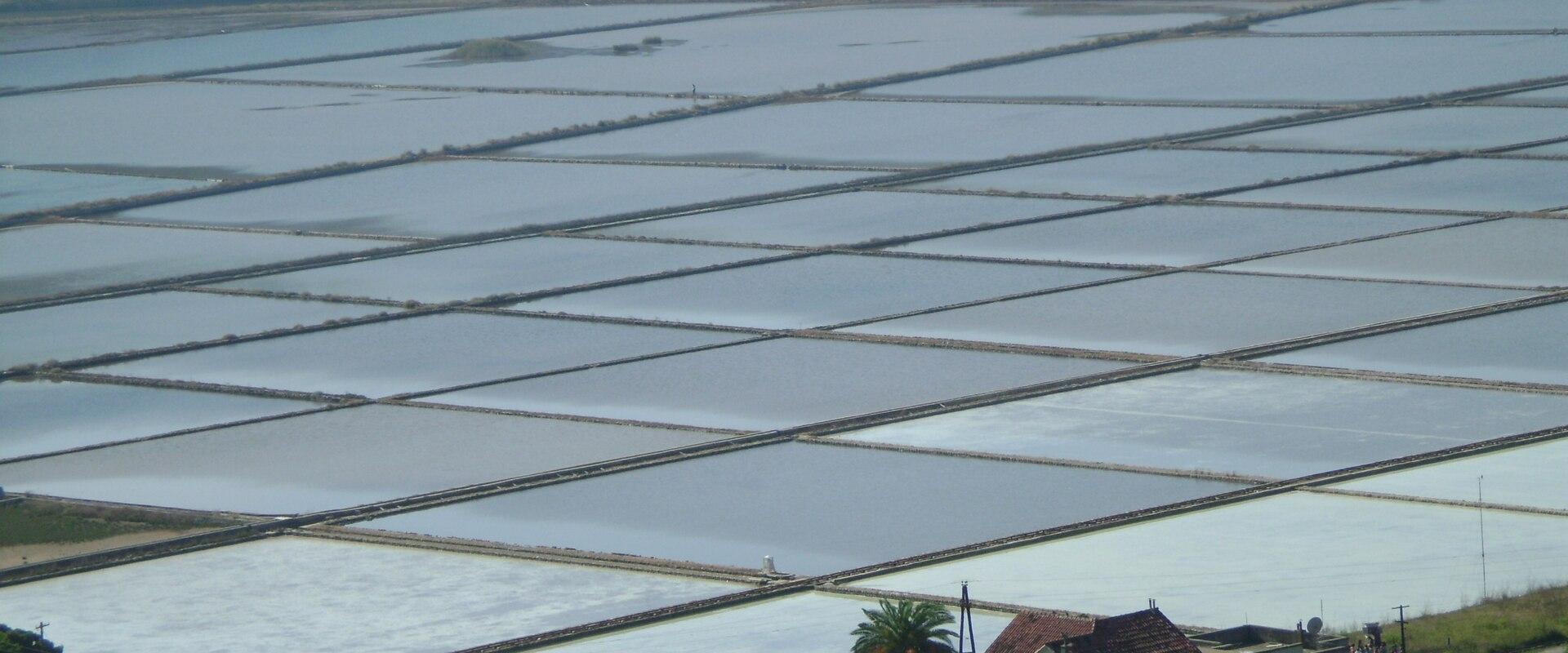
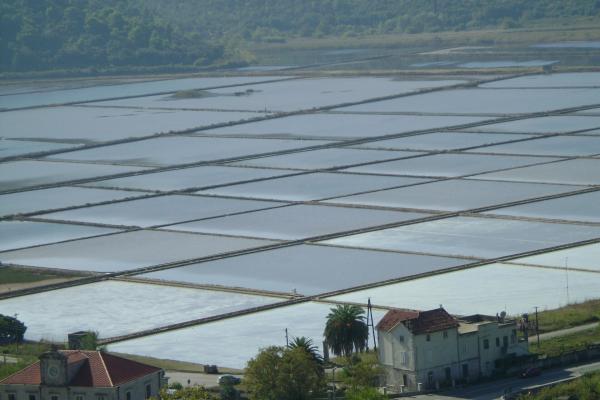
The Ston Saltworks, or Solana Ston, are a large complex of shallow salt pans on the edge of the town of Ston, where the Pelješac Peninsula joins the mainland in southern Dalmatia. They are often described as among the oldest and largest preserved salt pans in Europe, and they have been used for salt production since ancient times, with salt gathering in this area going back to the Roman period and earlier. Today the pans still produce sea salt by traditional methods, and they remain one of the most distinctive working landscapes on the Croatian coast.
The economic story is tied to the Republic of Dubrovnik, also known as the Ragusan Republic, which took control of Ston in 1333. Salt was a valuable commodity in the medieval and early modern Mediterranean, used to preserve food and traded widely, and the Ragusans regarded Ston as a strategic asset. They invested in the fortified town and in the long defensive walls that climb the hills above it, built mainly in the 14th and 15th centuries to protect the saltworks and the peninsula's narrow neck. The walls remain a famous feature, and from certain points you can see the pans laid out in front of them like a geometric mosaic.
The method is simple and old. Seawater from the bay is let into a sequence of shallow basins, where sun and wind evaporate it over weeks until salt crystals form. Workers rake the crystals by hand, pile them into heaps and carry them to storehouses, a process that is concentrated in summer, when the weather is hottest and driest. Visitors can walk around the edges of the pans, look into the old storehouses and see how the sluices and channels are arranged. Salt crystals, sold on site in small packages, make a popular edible souvenir.
The visit is short and informal, and most people spend under an hour here. The area is flat and open with little shade, so a hat and water help in summer. A good season to visit is late summer, when the pans are working, though the landscape is photogenic at any time of year.
The saltworks work well as part of a larger Pelješac day. Ston's main square, the walls, and the nearby shellfish farms of Mali Ston Bay, where oysters and mussels are served in local restaurants, make the area one of the best food and heritage stops in Dalmatia. It suits history enthusiasts, photographers and anyone interested in food traditions.
Categories
More photos coming soon
Nearby Attractions
Other places to visit in Ston
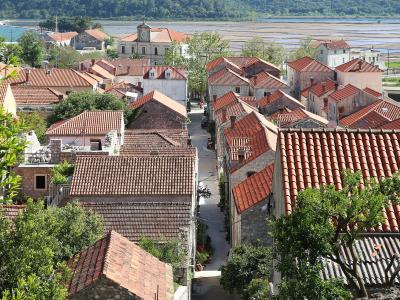
Ston Main Square (Placa)
Historic square at Ston's medieval heart
Cultural Experiences · Urban Exploration
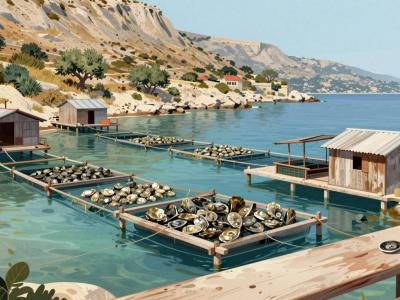
Ston Oyster Farms
Family-run oyster farm in historic Mali Ston Bay
Coastal & Maritime · Food & Gastronomy

Ston Lapidarium (Lapidarij Ston)
Medieval stone artifacts in historic Bishop’s Palace
Cultural Experiences · History & Heritage

Ston Walls
Medieval stone walls with panoramic coastal views
History & Heritage · City Walls
Questions people ask
Quick Facts
Best Time to Visit
Late May to September offers warm weather, inviting sea, and ideal conditions for hiking the walls, oyster tastings, and exploring the Pelješac Peninsula.