







- Admission
- Free entry
- Hours
- Open all day
- Where
- Zagreb, Central Croatia
- Directions
- Directions
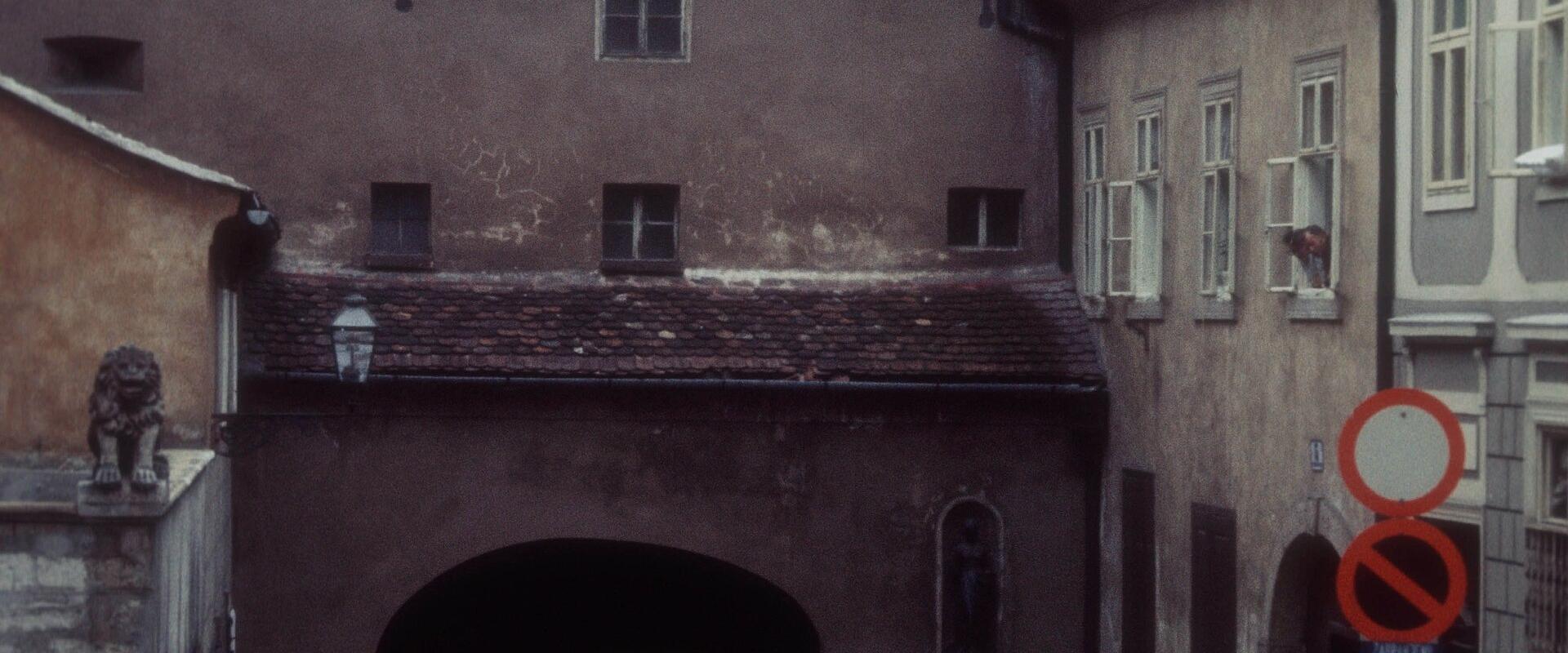
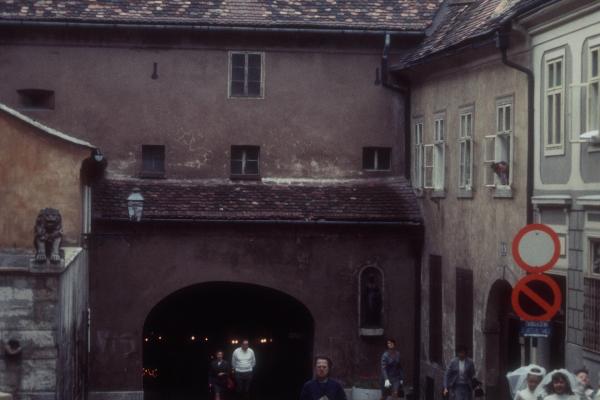
The Stone Gate, Kamenita Vrata in Croatian, is the only surviving medieval gate of Gradec, the old walled town on the hill in Croatia that is now Zagreb’s Upper Town. It stands at the edge of the Upper Town, close to St. Mark’s Church, and it combines the roles of a monument and a shrine, because inside its arched passage is a small chapel that has been a place of prayer for nearly three centuries.
The gate dates from the thirteenth century, when Gradec was fortified after the Mongol invasion of 1242, in which the region had suffered terribly. The settlement was granted the status of a free royal town by the Hungarian-Croatian king Béla IV, in recognition of which its citizens built walls and gates, and the eastern gate was one of the main entrances. Over the centuries, the walls were gradually dismantled as the town grew and expanded, and the Stone Gate is the sole remnant of the medieval defences, preserved and later rebuilt. Its thick stone walls and the shape of the arch show something of what the fortified town was like.
The spiritual character of the gate dates to a disaster. In 1731, a huge fire swept through Gradec, destroying most of its wooden houses, and it burned the gate’s wooden doors. According to tradition, a painting of the Virgin Mary that stood in the gate, made in the seventeenth century, survived the flames undamaged, and the townspeople took this as a miracle. The painting was placed in a chapel within the passage, where it became an object of devotion, and the Virgin of the Stone Gate was declared the protector of Zagreb. Since then, the chapel has attracted a continuous stream of people, who come to pray, light candles and leave small tokens of gratitude, such as plaques with the words thank you to the Mother of God, which cover the walls.
Practical details are simple, and visiting is an unusual experience. You walk through the passage, which is cool, narrow and dimly lit by candles, and find people, locals and visitors, standing quietly before the image, many in prayer. The atmosphere is serene, and even those who are not religious often find it moving. The chapel is open all day and free, and visitors are asked to be quiet and to respect those who are praying, and not to photograph worshippers.
Most people spend fifteen to thirty minutes here. The gate is easy to combine with other sights of the Upper Town, such as St. Mark’s Church, with its coloured tile roof, the Lotrščak Tower, the Museum of Broken Relationships and the Grič Tunnel. It suits anyone interested in medieval history, religious traditions and the atmosphere of old Zagreb, and early morning is the quietest time.
Categories
More photos coming soon
Hours & Fees
- Open
- Open all day
- Admission
- Free entry
Hours and prices change, especially out of season. Check with the venue before you go.
Nearby Attractions
Other places to visit in Zagreb
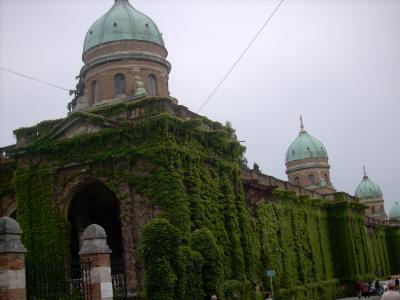
Mirogoj Cemetery
Architectural masterpiece and multi-faith resting place
History & Heritage · Urban Exploration

Zagreb Cathedral
Gothic cathedral with twin spires and historic relics
Cultural Experiences · History & Heritage
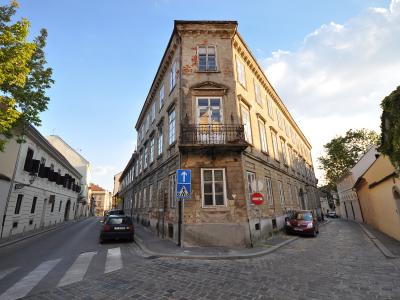
Upper Town (Gornji Grad)
Historic Zagreb district with medieval landmarks
Cultural Experiences · Urban Exploration
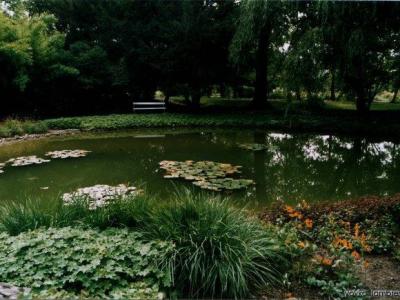
Zagreb Botanical Garden
Urban oasis with diverse rare plant species
Cultural Experiences · Natural Wonders
Questions people ask
Quick Facts
Best Time to Visit
Late May to mid-September offers warm weather, blooming parks, and lively festivals; spring and early autumn are ideal for sightseeing and outdoor café culture.