







Traditional Baranja Folk Culture (songs, Dances, Costumes, Cuisine)
Baranja folk songs, dances, costumes, and cuisine
- Where
- Baranja, Baranja
- Directions
- Directions
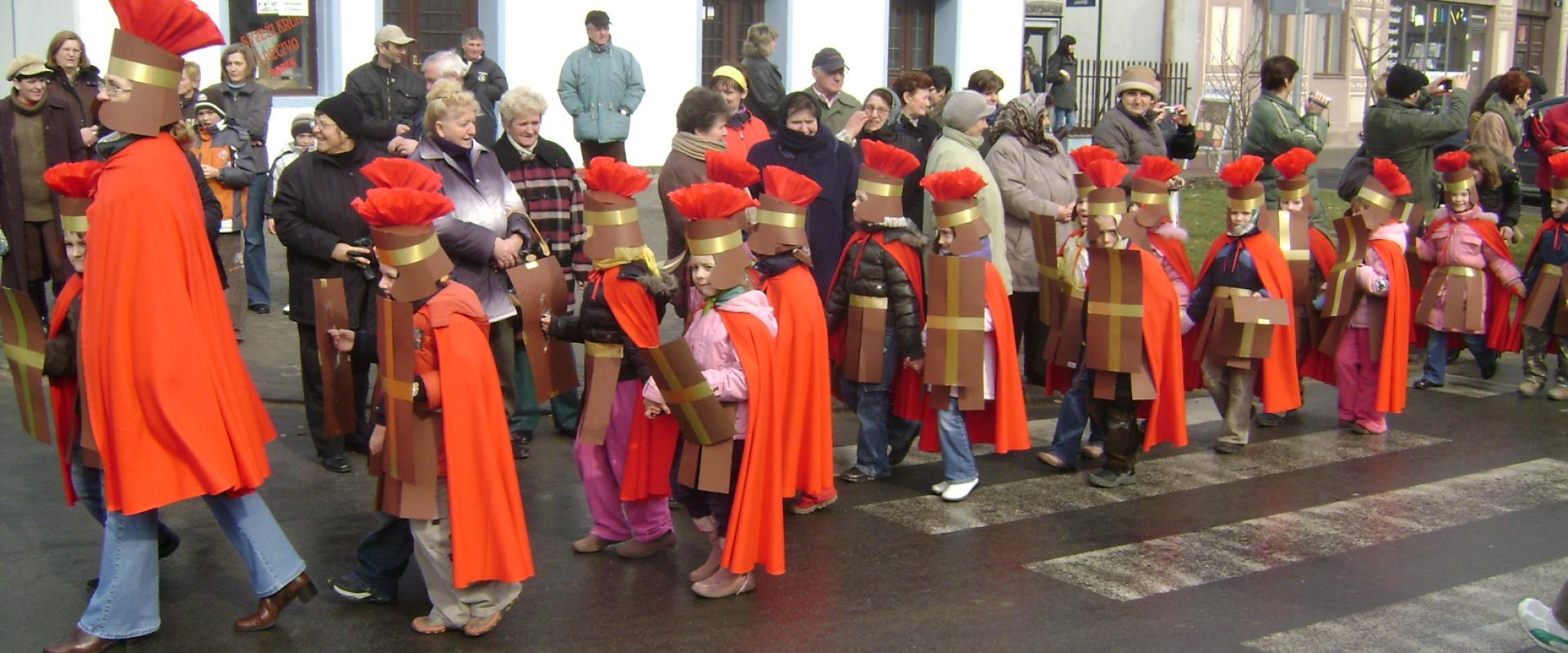
Baranja, the triangle of land between the Danube and the Drava in the north-east corner of Croatia, has a folk culture that is different from that of other regions of the country, and it can be experienced in songs, dances, costumes and food, mostly at festivals and community gatherings. The region has been a meeting place of peoples for centuries, and Croats, Hungarians, Serbs, Germans and others have lived side by side, borrowing from each other in music, cooking and customs. That mixture is the main reason that Baranja's culture feels distinctive, and it is the key to understanding what visitors find here.
History explains some of the character. Baranja belonged to the Hungarian lands for a long period, and after the First World War, the Treaty of Trianon in 1920 divided the historic region, with the southern part passing to the new Yugoslav state and the northern part remaining in Hungary. The local people kept their links on both sides of the border, and the traditions of villages in the Croatian part still show the influence of the Hungarian neighbours, particularly in cooking, with its generous use of paprika, and in the style of some costumes and dances.
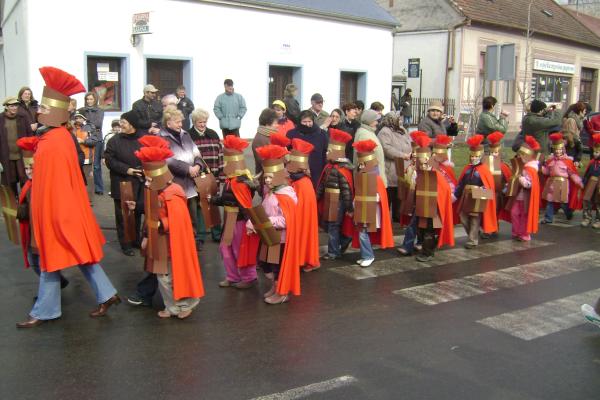
Music runs through local celebrations. The tamburica, a family of plucked string instruments, is the signature sound of Slavonia and Baranja, and tamburica bands play at weddings, festivals and in restaurants, with fast, lively tunes and melancholy love songs. Dances in the circle form, called kolo, are performed in colourful traditional costumes, with embroidered blouses, wide skirts, waistcoats and caps for the women and white shirts, vests and hats for the men. Folklore groups from villages such as Karanac and Kneževi Vinogradi keep these arts alive and perform at festivals throughout the year.
Food is the other pillar. The regional cuisine is hearty, based on river fish, pork and paprika, with dishes such as fish stew, cooked in a cauldron over an open fire, sausages and the spicy kulen, grilled fish and sweet pastries, and it is accompanied by the local wines. One of the best-known events is a fish stew competition in Beli Manastir, which brings together teams from across the region to cook over open fires amid music and a festive crowd, and a wine marathon through the vineyards lets participants taste wine along the route while enjoying folk performances. Local organisers promote the region as a rural destination, and it has received awards for rural tourism.
There is no single museum of folk culture, so the best approach is to time your visit with a festival and to visit villages such as Karanac, where traditional houses and customs are preserved. Check the calendar of events. The experience suits food lovers, music lovers and anyone interested in the culture of eastern Croatia. Allow a day or more.
Categories
More photos coming soon
Nearby Attractions
Other places to visit in Baranja
Baranja Maldives (Draž sandy beach)
Sandy beach and pier at Draž, Croatia’s Baranja Maldives
Coastal & Maritime · Beaches
Karanac Village
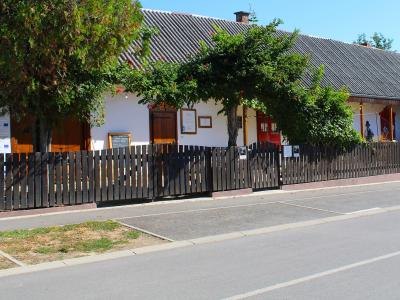
Historic Baranja village with traditional crafts and wine...
Cultural Experiences · History & Heritage
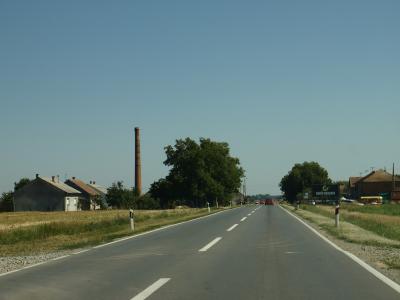
Village of Karanac
Historic Baranja village with traditional crafts and cuisine
Cultural Experiences
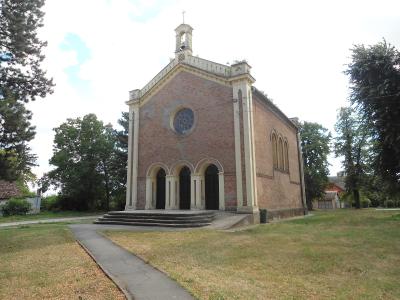
Kneževo
18th-century church and historic village park
Activities & Adventure · Natural Wonders
Questions people ask
Quick Facts
Best Time to Visit
April to October offers mild weather ideal for outdoor activities and exploring the region's rich cultural heritage.