







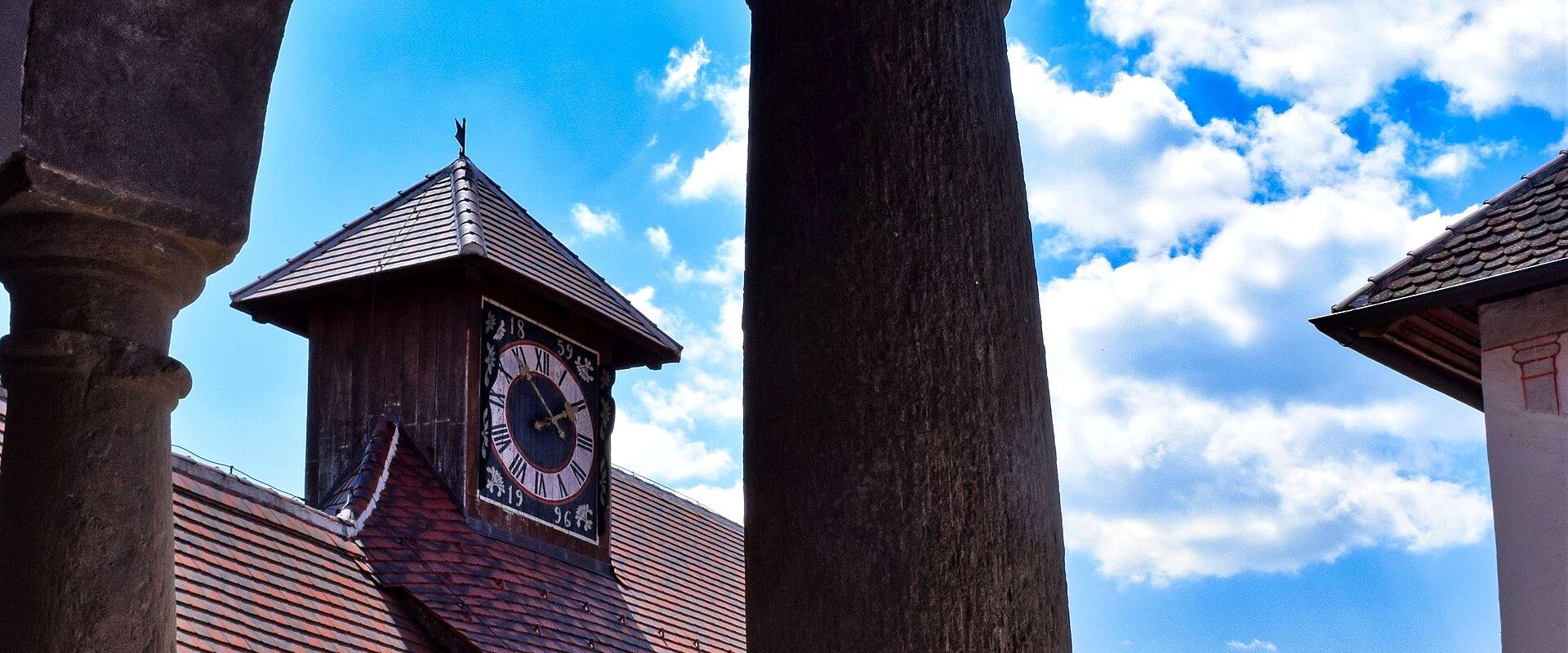
Veliki Tabor
Medieval castle atop Mount Hum Kosnicki
- Where
- Desinić, Zagorje
- Directions
- Directions
Veliki Tabor is a fortified castle on a hill in the village of Desinić, in the Hrvatsko Zagorje region, in the north-west of Croatia, close to the Slovenian border, and it is one of the best-preserved late medieval and Renaissance fortifications in the country. The castle stands on the hill known as Hum Košnički, among vineyards, meadows and woods, and its pale walls and round corner towers are visible from a long way off across the rolling Zagorje landscape. From the ramparts, the views stretch over the hills and, in clear weather, into neighbouring Slovenia.
The history of the building covers several centuries. A fortified house was built on the hill in the fifteenth century, during a time of Ottoman threat, and the complex was strengthened in the following century under the Rattkay family, who owned it for a long period and turned it into an artillery fortress with round bastions at the corners, thick walls and a central courtyard. The architecture is a rare example of the transition from medieval castle to Renaissance fort, designed to withstand cannon fire, and it is unusual in having been preserved in a largely unchanged form. The castle was later used as a residence and went through the hands of various noble owners before being restored and opened as a museum.
Today, visitors can walk around the courtyard and the walls, and explore the rooms of the castle, which house exhibitions of furniture, weapons and objects from different periods, along with displays on the history of the castle and the local nobility. The castle is also surrounded by legends, the best known of which is the story of Veronika of Desinić, a noblewoman said to have been the lover of a Count of Celje, one of the powerful medieval dynasties of the region, and who was accused of witchcraft and put to death. The tale has inspired plays and stories, and the museum and guides often tell it, sometimes with a touch of drama. Guided tours help bring the building to life, and the climb along the ramparts is a highlight.
The castle is open to the public for part of the year, usually from spring to autumn, with opening hours that vary by day and ticket prices that change, so check before you go. There is parking nearby, and photography for personal use is generally allowed. Because the castle stands on a hill, there is a short climb from the car park, so wear comfortable shoes.
The area around Desinić has other attractions. Pregrada, with its hills, the Kunagora ridge and the ruins of Kostelgrad, is close, and the Krapina Neanderthal museum is a short drive away. Local restaurants serve Zagorje dishes, such as turkey with mlinci and štrukli, and the nearby vineyards produce wine.
Allow one to two hours. The castle suits families, history lovers and photographers, and it is one of the most rewarding stops in the region.
Categories
More photos coming soon
Nearby Attractions
Closest attractions by distance
Parish Church of St. Catherine, Zagorska Sela
19th-century baroque church on a hilltop
History & Heritage · Historic Churches
Kostelgrad Castle Ruins
Medieval castle ruins on Kunagora slopes
History & Heritage · Ancient Sites
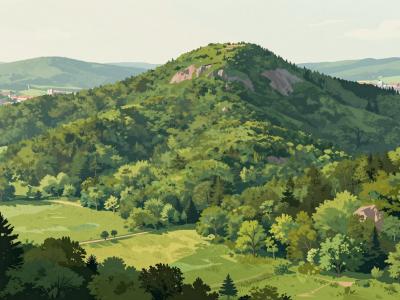
Kunagora Summit and Meadow
Hilltop meadow with panoramic views in Pregrada
Activities & Adventure · Natural Wonders
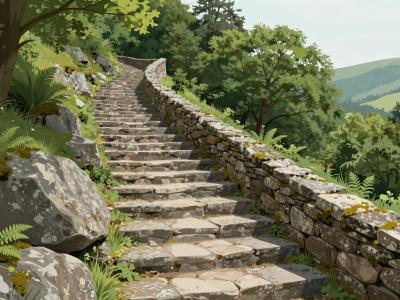
Lenart Steps
Historic stone steps linking Pregrada’s old town landmarks
Activities & Adventure · Natural Wonders
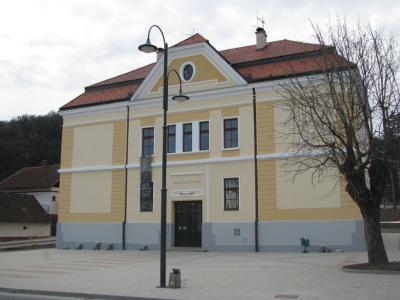
Pregrada Town Museum (Muzej grada Pregrade)
Historic museum with numismatics and mining exhibits
Cultural Experiences · History & Heritage

Trg Gospe Kunagorske
Central square featuring the Church of Our Lady
Cultural Experiences
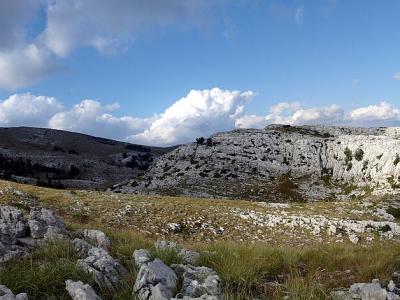
Kunagora Mountain Hut and Chapel
Mountain hut and chapel with panoramic Zagorje views
Activities & Adventure · Natural Wonders
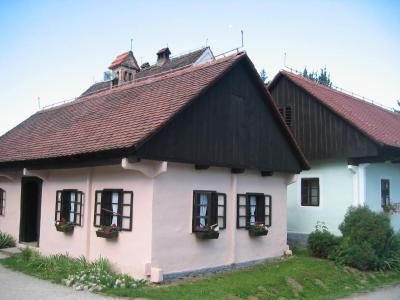
Birthplace of Josip Broz Tito
Birthplace and museum of Yugoslav leader Tito
Cultural Experiences · History & Heritage
Questions people ask
Quick Facts
Best Time to Visit
Mid June to early September offers warm weather, lush scenery, and ideal conditions for sightseeing, hiking, and enjoying local festivals and castle tours.