







- Where
- Pag Island, Dalmatia
- Directions
- Directions
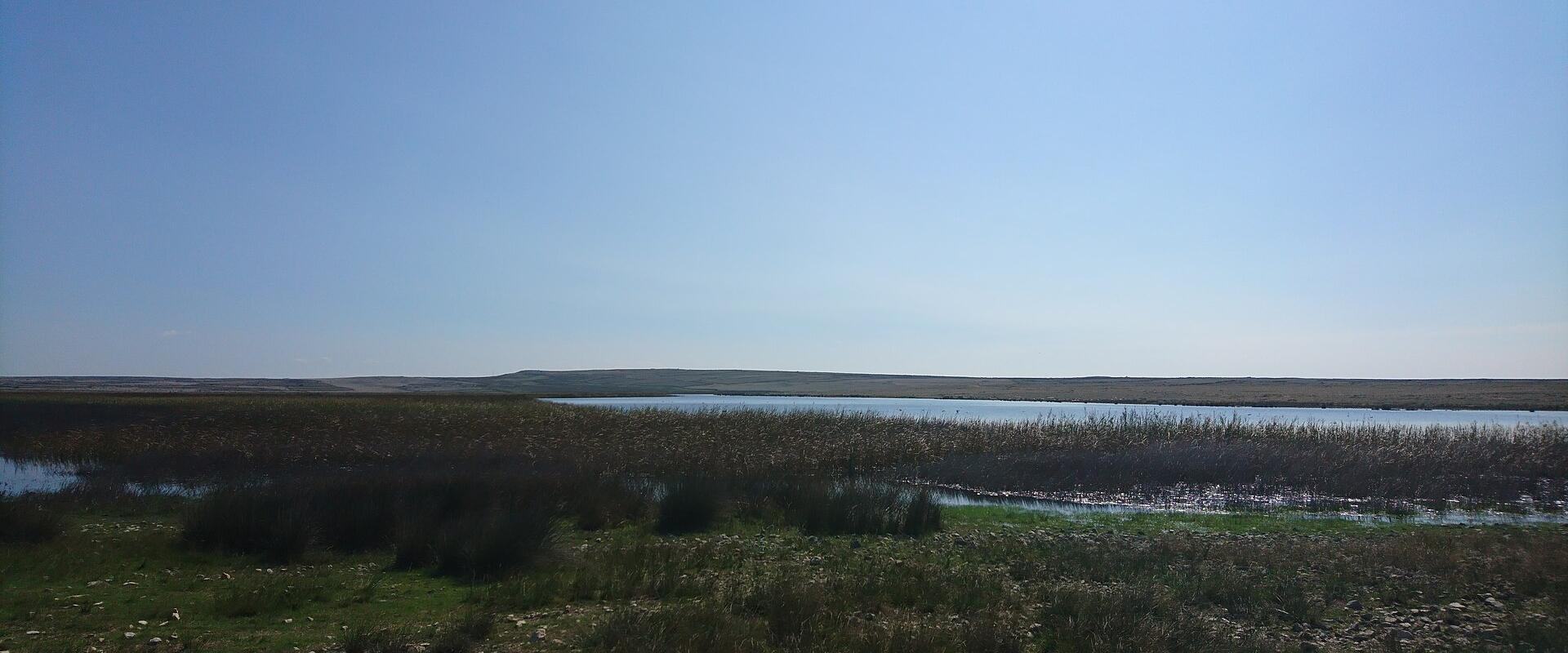
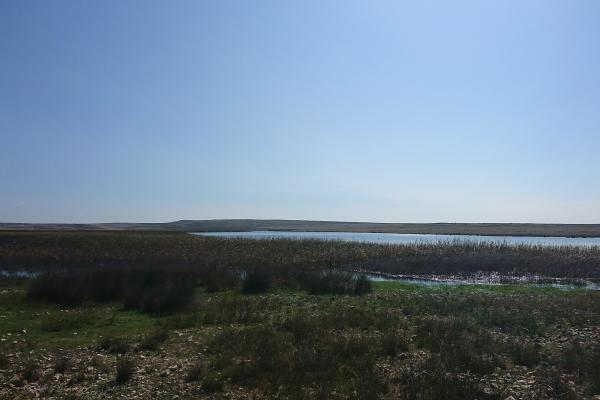
Pag Island is a long, narrow island in northern Dalmatia, famous for its bare, wind-scoured limestone, its salt, its lace and its cheese, and most visitors know it from the beaches and clubs near Novalja. Velo Blato belongs to a quieter side of the island. Its name means roughly the big mud, and it is associated with the low-lying, marshy ground and shallow wetland near the town of Pag, a place where the otherwise dry island holds water, with a neighbouring area known as Malo Blato, the small mud. Reliable detail on visitor facilities is thin, so it is best to treat it as a landscape to be discovered rather than a managed attraction.
Wetlands matter on an island like Pag. The terrain is mostly rock and low scrub, shaped by the bura wind and the salt in the air, and the lowlands where fresh and salt water meet are among the few places where reeds, marsh plants and water birds can survive. Such areas attract migratory birds in spring and autumn, and resident species use them all year. Early morning and late afternoon are the best times to watch, and a pair of binoculars is useful. The ground can be soft or flooded after heavy rain, so wear waterproof shoes, and keep to existing tracks to avoid disturbing wildlife.
The area is also suited to cycling and gentle walking. Farm tracks and minor roads cross the flat land near Pag, with long views to the mountains of the mainland and to the town, and the lack of hills makes it easy riding. Pag has a long history that adds to the interest. The town of Pag was laid out on a regular plan in the 15th century under the direction of the architect Juraj Dalmatinac, and the saltworks near the town, Solana Pag, have produced salt for centuries and are the largest in Croatia. The Pag Lace Gallery and the Ducal Palace (Kneževa Palača) tell the story of the island's famous lace, a craft listed by UNESCO that has long been practised by local women, and the Olive Gardens of Lun, in the north of the island, are home to ancient trees.
Other places nearby include Dinjiska Bay, Simuni Beach and the ruins of a small fortress. Visits are best combined with a day in Pag Town, with its cheese shops, restaurants and lace-makers, and the roads are quiet outside July and August.
The wetland suits cyclists, birdwatchers and travellers who prefer quiet corners to crowds. Take water, sun protection and insect repellent, and ask locally about conditions.
Categories
More photos coming soon
Nearby Attractions
Other places to visit in Pag Island

Ducal Palace (Kneževa Palača)
Historic palace showcasing Pag’s intricate lacecraft
Cultural Experiences · History & Heritage
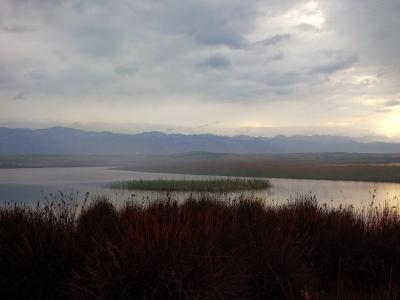
Malo Blato
Freshwater wetland amid Pag Island’s lunar landscape
Activities & Adventure · Natural Wonders
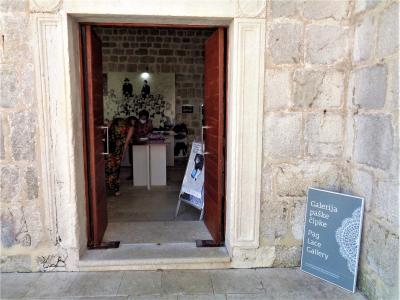
Pag Lace Gallery
UNESCO-listed Pag lace tradition in historic palace
Cultural Experiences · Traditional Crafts
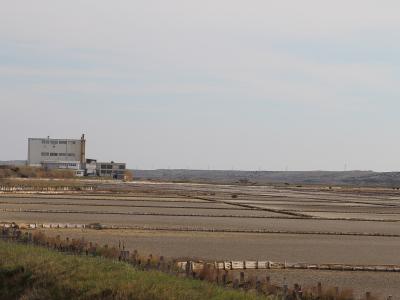
Pag Saltworks
Ancient salt pans shaping Pag Island’s heritage
Cultural Experiences
Questions people ask
Quick Facts
Best Time to Visit
June to August offers hot weather, warm sea, and lively nightlife; May, June, and September are quieter with pleasant temperatures for beaches and outdoor activities.