







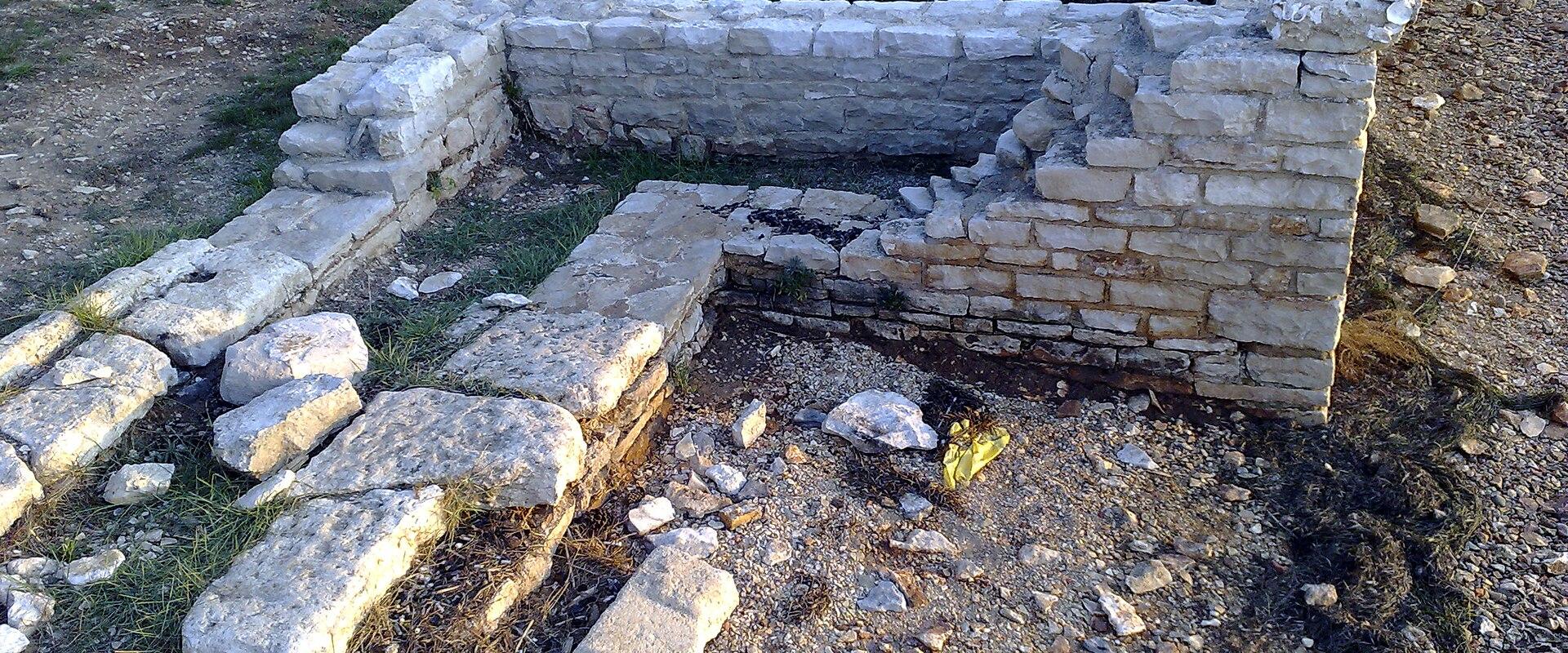
- Where
- Medulin, Istria
- Directions
- Directions
Vižula Archaeological Park occupies a low, wooded peninsula beside Medulin, on the southern tip of Istria, in Croatia, and it combines the ruins of an important Roman coastal villa with a landscaped park for walking and family outings. It is one of the most accessible archaeological sites in the region, set within a short walk of the sea and surrounded by pines and Mediterranean scrub.
The site has a long history of use. Finds across the area, which covers about twenty-six hectares, show that people have lived on the headland from the Neolithic period onward, through the Bronze and Iron Ages and the Roman Empire, and into the Early Middle Ages, when a small Christian community left its mark. The best-known and best-preserved layer is Roman. In the late first century BC and the following centuries, wealthy landowners built luxurious villas on the Istrian coast, close to the sea and the trade routes of the Adriatic, and the villa at Vižula was among the grandest. It was a residence and also the centre of an agricultural estate, which produced olive oil and wine for export.
The remains show how comfortable such a house could be. The plan includes large reception rooms, living quarters, service areas and bath suites, arranged around courtyards and facing the water, and the walls were decorated with marble, painted plaster and mosaic floors in geometric designs. The mosaics are among the highlights, and they show the skill of the craftsmen who worked on the villa. The location gave views over the bay, and a small harbour or landing place allowed boats to arrive directly, so that the estate could easily send its produce across the sea. A walk among the foundations gives a good idea of the scale of life for the Roman elite in this province.
The park has been designed to make the site approachable. Information boards, some adapted for visitors with impaired vision, explain the layout and history, and in high season tablets and virtual reality headsets can be hired to show the villa as it once looked. Playgrounds, open lawns and an adventure area give families something to do, and modern touches such as an information point, solar-powered benches and educational programmes, including an archaeology school and a garden of ancient plants, keep the park lively. Entry is free, and the park is open daily, with longer hours in summer.
Medulin has beaches and coves on every side, and the nearby Cape Kamenjak, with its wild coastline, is a popular destination. Combining a walk in the park with a swim makes an easy half-day. The park suits families, history lovers and anyone who enjoys a mix of nature and ancient stones. Wear a hat in summer, since shade is patchy in places.
Categories
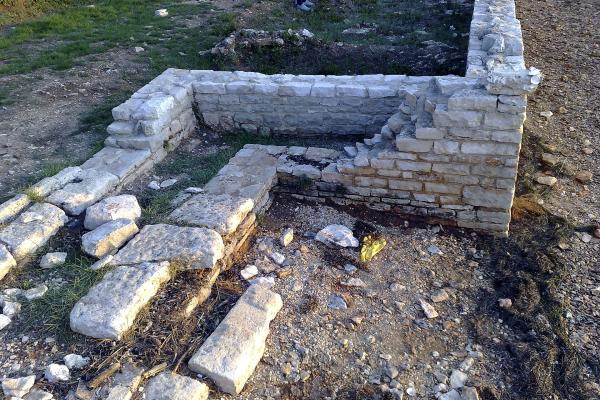
More photos coming soon
Nearby Attractions
Other places to visit in Medulin
Beach Kamenjak
Beaches · Hiking Trails
Debeljak Cove
Secluded Adriatic cove with natural coastal beauty
Activities & Adventure · Coastal & Maritime
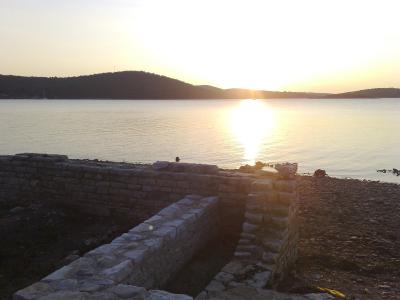
Parco Archeologico Vizula
Ancient Roman villa ruins amid pine forest and sea
Cultural Experiences

Roman Catholic Church
Historic Roman Catholic Church with scenic views
Cultural Experiences
Questions people ask
Quick Facts
Best Time to Visit
Early July to late August offers hot weather, warm sea, and lively events; May, June, and September are quieter with pleasant temperatures for outdoor activities.