







Zadar Old Town
Oldest Croatian city, Roman ruins, and sea organ
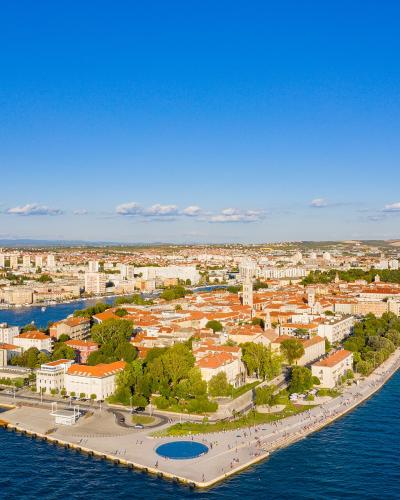
Zadar's Old Town occupies a narrow peninsula that projects into the Adriatic Sea, and its streets are among the most layered in Croatia, with monuments from the Roman, early medieval, Venetian and modern periods standing within a few minutes' walk of one another. The city has been inhabited for nearly three thousand years, since the Liburnian tribes settled here, and it was a major Roman colony, a Byzantine outpost, the capital of Venetian Dalmatia and a fortress against the Ottomans. The old town is compact, relaxed and easy to explore on foot.
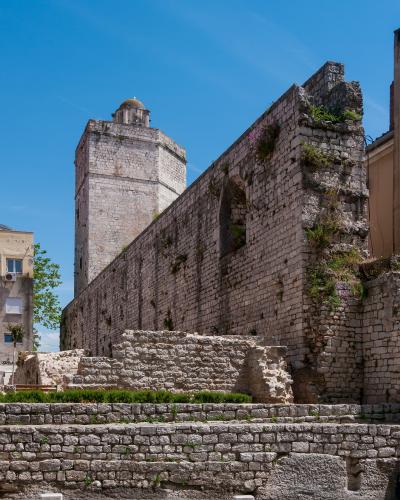
The Roman Forum is the oldest layer, a large open space where columns, paving and foundations survive from the 1st century BC and the 1st century AD, and on one side a single tall column remains as a reminder. Beside it stands the Church of St. Donatus, a round church from the 9th century that is the most important pre-Romanesque building in Croatia, with thick walls, a high rotunda and a bare, echoing interior in which concerts are held in summer. Next to it the Cathedral of St. Anastasia (Sv. Stošija), known locally as St. Stošija, is the largest cathedral in Dalmatia, in the Romanesque style, with a tall bell tower that can be climbed for a view. The Land Gate and the Sea Gate, along with the Venetian walls, recall the defences that protected the town.
The atmosphere is as important as the monuments. Kalelarga, the main street, runs through the middle of the peninsula, and the alleys that lead off it are narrow, paved with polished stone and lined with cafés, shops and old houses. The old town was heavily damaged by bombing in the Second World War, and many buildings had to be rebuilt, which explains why modern architecture sits among the ancient. Residents sit in the squares, children play beside Roman ruins and the whole place feels lived-in rather than preserved. On the waterfront, the Sea Organ and the Greeting to the Sun, two modern installations by the architect Nikola Bašić, have added a new attraction, and the sunset over the sea, praised by Alfred Hitchcock, brings crowds in the evening.
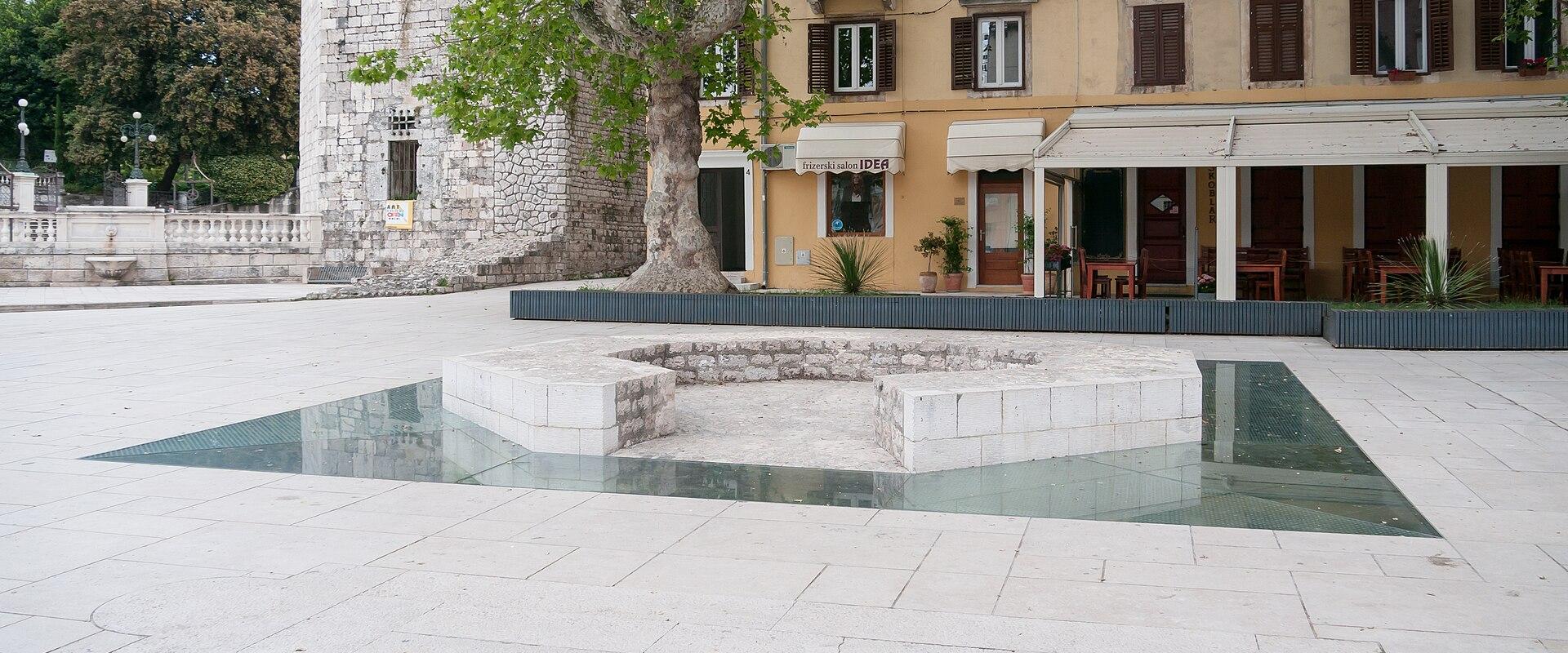
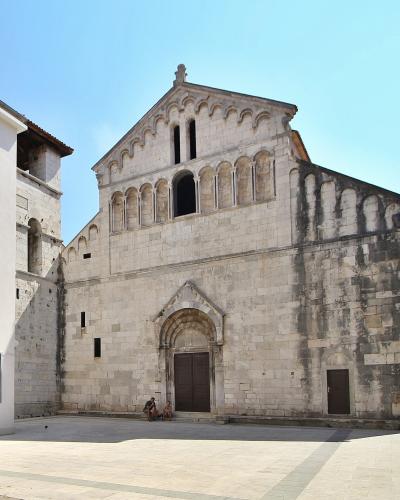
Other places to visit include Narodni Trg (People's Square), Five Wells Square (Trg Pet Bunara), Queen Jelena Madije Park and the Church of St. Chrysogonus, while boat trips leave from the harbour to the islands of the Zadar archipelago. The old town can be seen in half a day, but a full day allows time to go inside the monuments.
Entry to the streets is free, and the monuments have their own opening hours. The old town suits history lovers, couples and families. Go in the morning for the quietest streets.
More photos coming soon
Nearby Attractions
Other places to visit in Zadar

Frequently Asked Questions
Quick Facts
Best Time to Visit
Late June to late August offers hot weather, warm sea, and lively events; May, June, and September are quieter with pleasant temperatures for sightseeing.