
Chasing the Maestral: Wind, Rain, and the Art of Layering
The Maestral doesn’t merely blow; it commands respect. Born from the thermal contrast between the hot Croatian hinterland and the cooler Adriatic Sea, this afternoon breeze can shift from a gentle whisper to a biting gust in seconds. Your first line of defense isn’t just clothing—it’s strategy. A lightweight, breathable windbreaker serves as your primary shield, trapping body heat without suffocating you in humidity.
But the real test arrives when the sky bruises gray and the famous Adriatic rains materialize from nowhere. These aren’t drizzles; they are sudden, vertical sheets of water that soak through fabric in minutes. In these moments, swapping to a waterproof shell over quick-dry base layers becomes non-negotiable. Cotton is the enemy here; synthetic or wool blends keep you warm even when soaked, whereas cotton turns into a cold, heavy weight against your skin.
For those brief, intense downpours that seem to appear out of thin air, a compact, wind-resistant umbrella is a wise addition to your bag. It handles the transient storms that hit the coastlines, allowing you to keep your hands free for balancing on slippery rocks or holding a coffee. The goal isn’t just to stay dry, but to remain comfortable enough to enjoy the drama of the weather rather than fighting it.
Stone Paths and Rocky Shores: The Footwear Imperative
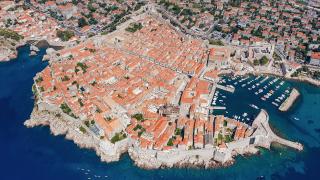
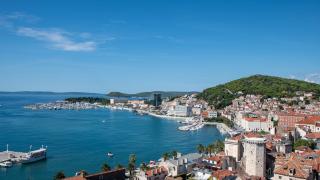
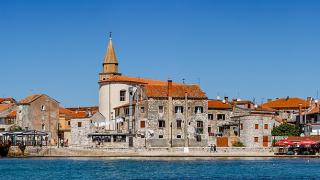
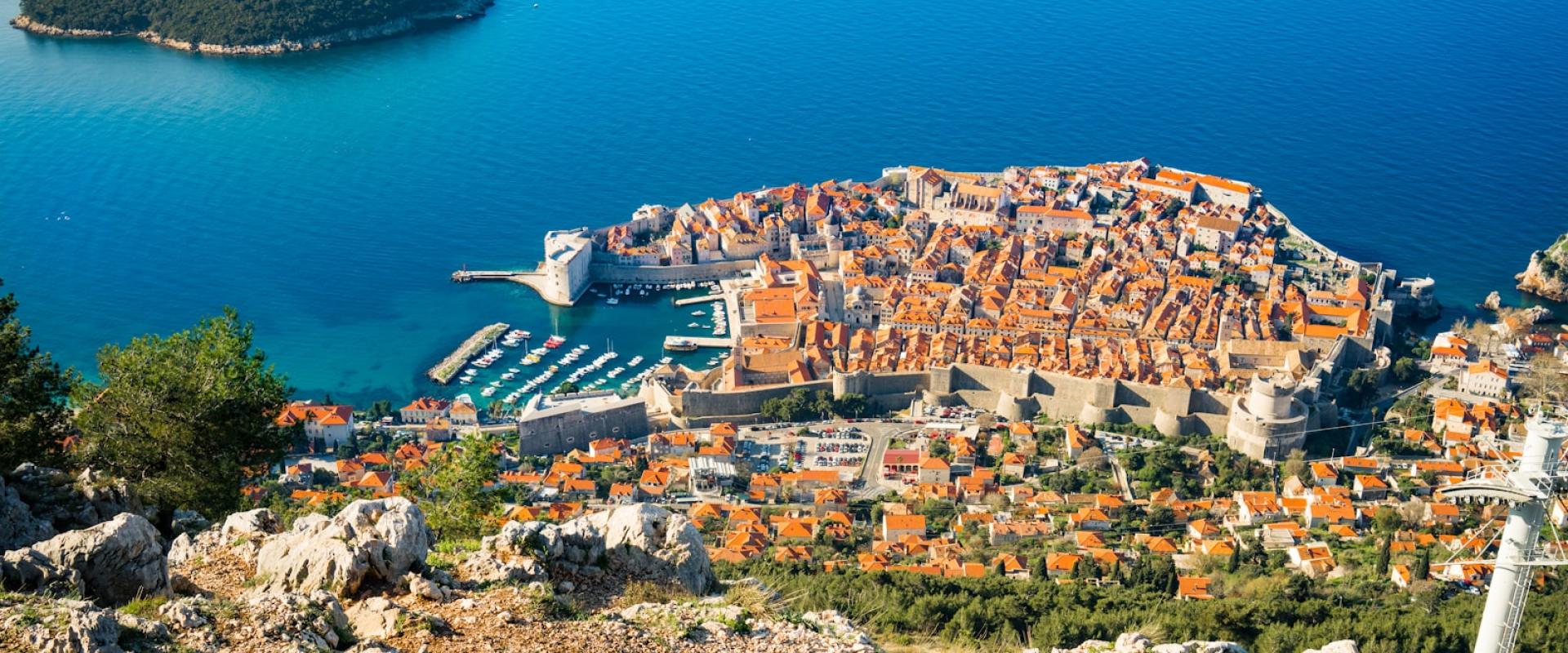
Navigating the historic heart of Europe requires more than just casual sneakers; it demands footwear with genuine traction. The kamena ploča—the iconic limestone cobblestones of Dubrovnik, Split, and Zadar—are polished smooth by centuries of footsteps and rain, turning into ice-rinks when wet. A sole with deep, multi-directional lugs is essential to navigate these uneven, stone-paved lanes without twisting an ankle.
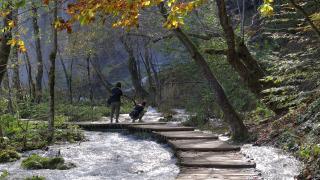
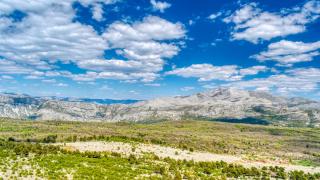
For day hikes into the inland mountains, lightweight trail runners offer excellent versatility. They are agile, breathable, and dry quickly if you cross a stream. However, they often lack the rigid ankle support required for rugged, root-choked terrain or steep, rocky descents. If your itinerary ventures beyond the tourist trails into places like the Paklenica canyons, sturdy hiking boots with ankle support become indispensable for stability and protection.
Conversely, the evening calls for a different rhythm. After a day of hiking, sturdy sandals become your best friend for relaxed strolls along rocky shores or through narrow, pedestrian-only alleys. They offer breathability and comfort when the day’s intensity fades, allowing your feet to cool down while you enjoy an aperitivo. Combining these options ensures you remain secure on steep inclines while staying cool and relaxed during leisurely coastal walks.
Adriatic UV and Pebble Beaches: Sun, Salt, and Survival
The Adriatic sun is deceptively aggressive. Unlike the diffuse light of northern Europe, the Mediterranean UV index often spikes to extreme levels, reflecting off the water and bouncing off the white limestone cliffs. A casual glance at the sky offers no protection. SPF 50+ is not a suggestion; it is a necessity. Reapply frequently, especially after swimming, as the saltwater washes away even water-resistant formulas.
Equally critical is the ground beneath your feet. Most Croatian beaches are not sandy; they are composed of smooth, sharp pebbles and stones. Walking barefoot across them can be a painful ordeal for the unprepared. Water shoes with grippy rubber soles are a game-changer, allowing you to explore hidden coves and rocky shelves without fear of cuts or bruises. They also provide stability when entering the water, where submerged rocks can be slick with algae.
Quick-dry swimwear saves time and discomfort, preventing the heavy, chafing feeling of wet cotton. Pair this with a compact microfiber towel, which packs down to the size of a fist but dries rapidly. These small additions transform a potential day of discomfort into one of effortless relaxation. Croatia’s coastline demands respect for its elements, but with the right gear, it rewards you with some of the most pristine swimming experiences in the world.
Powering Up in the Wild: Plugs, Voltage, and Digital Staying Power
Navigating the rugged Dalmatian hinterlands requires more than just a map; it demands reliable energy. Croatia uses the standard European 230V system, utilizing Type C or F plugs. While many modern devices have universal inputs, carrying a high-quality travel adapter is essential to ensure your gear stays connected.
In remote areas, such as the trails near the Velebit mountain range or the secluded villages of Istria, electricity is not always guaranteed. Relying solely on wall power is risky. A high-capacity power bank becomes your lifeline when you are miles away from the nearest village. Imagine standing on a secluded ridge, phone dead, with no signal to call for help or access offline maps. In these moments, digital safety isn’t just convenient—it’s critical for orientation and emergency communication.
By securing extra energy in your pack, you ensure that your GPS remains active, allowing you to explore wild terrain with confidence rather than anxiety. This preparation also covers the unexpected: a spontaneous dinner invitation where the charger is forgotten, or a long bus journey where entertainment is the only way to pass the time. Digital staying power is the modern traveler’s safety net, bridging the gap between the ancient landscape and the connected world.