




Croatia’s 2023 accession to the Schengen Area did more than just align its borders with the European standard; it fundamentally rewired the entry protocol for international visitors. For nationals of approximately sixty visa-exempt countries, the era of casual, document-light entry is over. It has been replaced by the ETIAS (European Travel Information and Authorization System), a mandatory digital pre-screening mechanism. Think of this not merely as a form, but as your digital key to the region. Without it, you simply cannot unlock the door at Zagreb’s checkpoints or any other entry point.
This is no longer a suggestion; it is a hard requirement. The system operates on rigorous online validation, replacing informal border checks with a strict digital verification process. While the application itself is swift—often taking only minutes to complete—the preparation requires foresight. You must initiate this process weeks before your departure. Rushing at the airport due to last-minute technical issues or forgotten credentials leads to unnecessary stress and potential denial of boarding. Smooth passage is the reward of early action.
The financial hurdle is surprisingly low, designed to verify stability rather than wealth. A stable bank statement or a valid credit card is typically sufficient to demonstrate your ability to support yourself. These documents reassure officials that you are not a burden on the state. Avoid the scramble. Start this digital chore early. Your journey effectively begins long before you step onto the plane.
The Paper Trail: Passport Validity and the ETIAS Imperative
Border officials in Croatia adhere to a strict rule regarding passport validity: your document must remain valid for at least three months after your planned departure from the Schengen zone. This is not a flexible guideline; it is a hard boundary. Ignoring this detail can strand you abroad or result in denied entry before you even reach your destination.
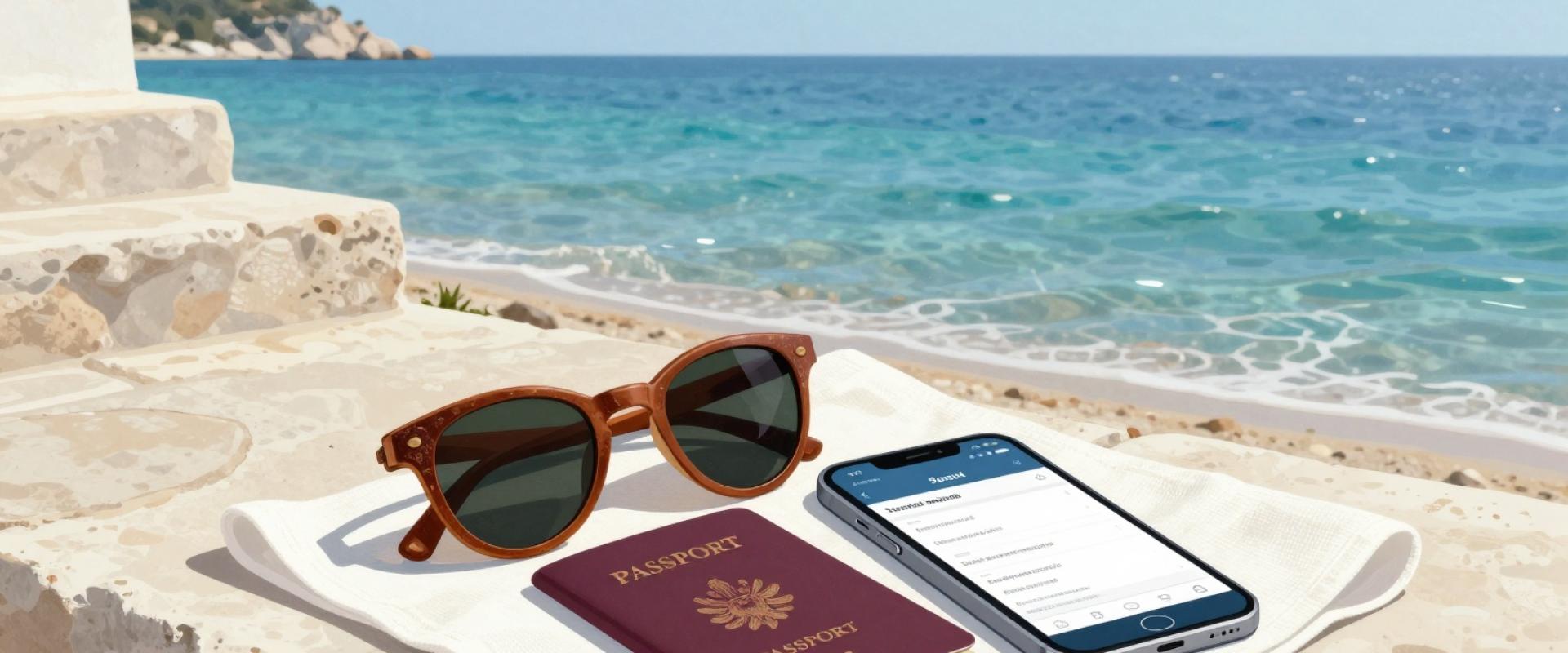
For travelers from visa-exempt nations, including the United States, Australia, and Canada, the ETIAS travel permit is the critical companion to your passport. This electronic authorization is digitally linked to your passport details. You cannot apply for ETIAS with an expired or soon-to-expire passport. Ensure you apply online well in advance of your trip, allowing time for any unexpected delays in processing.
Physical space matters just as much as digital validation. Immigration officers require at least two empty pages in your passport to stamp entry and exit records. A passport filled with visas or stamps is a recipe for denial. Check your document’s remaining pages early. This simple precaution can save you hours of frantic stress at the airport counter.
Proof of Presence: Demonstrating Intent and Financial Stability
Border agents are trained to read between the lines of your travel plans. They look for concrete evidence of intent to return home. A confirmed return ticket is the baseline requirement, but it is not enough on its own. You must also provide accommodation bookings for specific locations, such as a hotel in Dubrovnik or an apartment in Zagreb. These reservations prove you have a structured itinerary, not a vague drift through the country.
Financial stability must be tangible. Recent bank statements showing consistent activity are preferred over a single large deposit. A major credit card serves as a secondary safety net, demonstrating you can cover unexpected costs. While there is no fixed legal minimum, agents typically expect you to have access to approximately €100 per day for expenses. This figure is a benchmark, not a law, but it reflects the standard expectation for self-sufficient tourism.
For those planning long-term stays beyond standard tourist allowances, the requirements shift significantly. You must secure temporary residence permits, a non-negotiable step that signals serious intent to comply with local laws. For short-term visitors, the ETIAS pre-screening adds a layer of security for visa-exempt travelers entering the Schengen zone. These combined requirements ensure your visit aligns with Croatian regulations.
Specific details matter more than vague promises. Agents value clarity and proof over general assurances. Your preparation reflects your respect for their protocols. Every document serves a purpose: verifying you are a genuine visitor. This verification protects both you and the host country. Proper preparation leads to a smoother experience.
Clear communication through documents speaks volumes. Let your paperwork do the talking. It confirms you are prepared and responsible. This confidence earns you a favorable review. Ultimately, transparency is your best tool. Hide nothing, but share only what is relevant. Keep records organized and accessible. This approach minimizes stress during inspections. You will navigate the process with ease.
Seamless Transitions: Maximizing Your Croatian Experience
Peace of mind starts with paperwork. You need to secure your digital travel permit before you board the plane. This quick pre-screening approval clears the way for easy entry into the Schengen zone. Croatia welcomes visa-exempt travelers with open arms, provided the logistics are handled correctly.
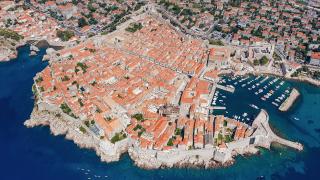
Imagine strolling along the limestone promenade of Dubrovnik without a single worry. Or perhaps sipping wine in the sun-drenched vineyards of Istria. The Adriatic coast offers stunning scenery, but only if your entry is smooth. A confirmed ETIAS status turns potential border delays into a relaxed start.
Specific proof of funds helps too. Carrying recent bank statements or a reliable credit card signals financial stability to officials. This small detail reinforces your intent to travel responsibly. It complements the digital authorization and ensures no hiccups at customs.
Your journey truly begins when you step off the plane. With your digital permit in hand and your documents organized, you can focus on the experience. Croatia’s rich history and vibrant culture await. Enjoy the freedom of seamless travel.