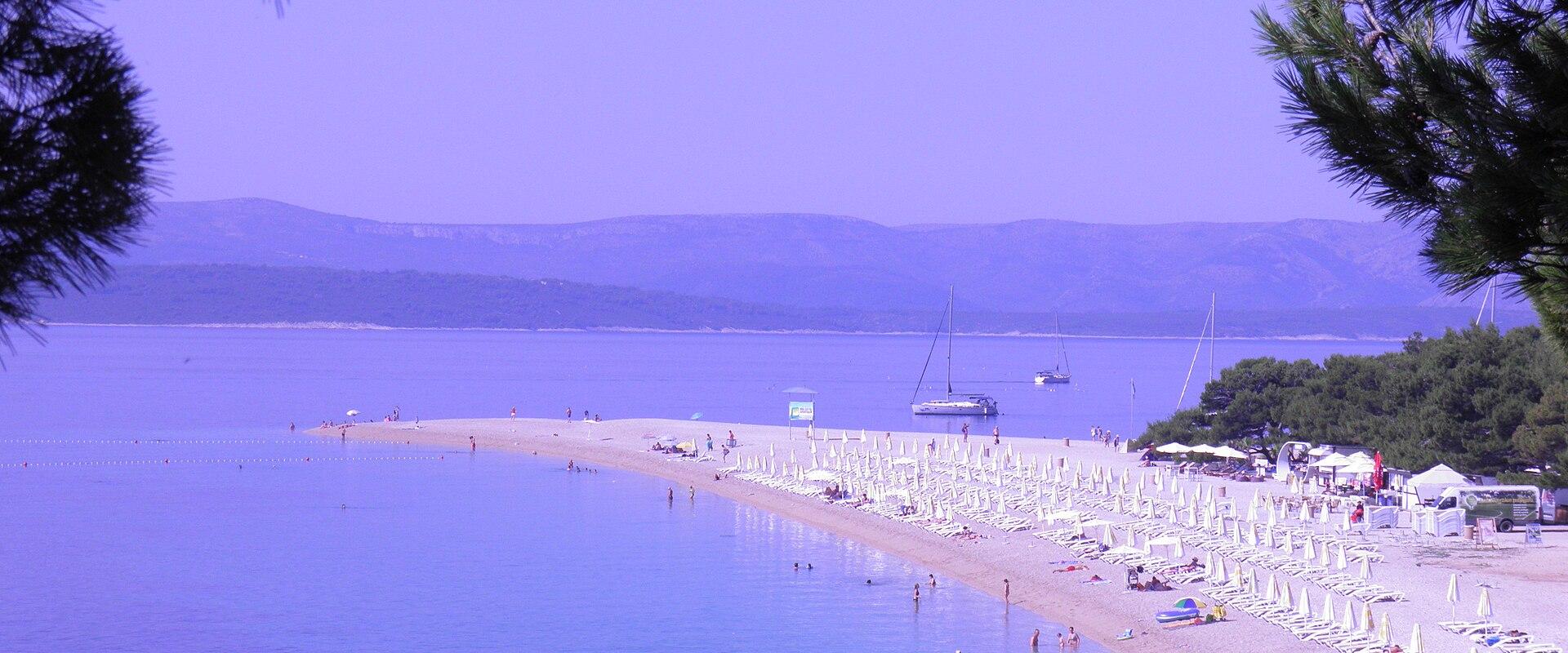
The Golden Horn’s Whispering Sands
Zlatni Rat does not simply sit on the map; it leans into the Adriatic like a fragile, sun-bleached finger anchored near Bol on Brac Island. To call it a beach is to misunderstand its nature. This geological spit is a living entity, reshaped daily by the prevailing winds that constantly erode and rebuild its tip. Walking the two kilometers from the harbor feels less like a commute and more like the slow, deliberate unveiling of a landscape that refuses to stay still.
The terrain here operates on a principle of natural chiaroscuro. Fine pebbles and coarse sand create a gradient that mimics the light-and-shadow techniques of Renaissance masters, where form is carved out not by pigment but by texture and tone. When the Bora wind howls down from the mountains, it sculpts the very edge of the spit, altering the horizon line with relentless, silent precision. The interplay of sea, stone, and sky offers a visual intensity that generic travel guides rarely capture, demanding that you look closer.
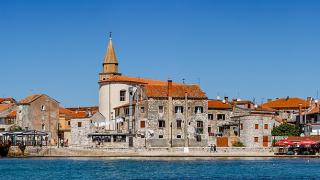
Bol village serves as the quiet gateway to this phenomenon. Its traditional stone houses, warmed by centuries of sun, provide a charming, static backdrop to the shifting sands beyond. The journey to the tip reveals the raw, unfiltered beauty of the island, stripped of the usual tourist clutter. Here, nature acts as both artist and architect, ensuring that no two days are ever identical. The water’s clarity allows you to see the texture of the seabed, grounding the ethereal beauty in tangible reality. It is a living geographical feature, not merely a postcard destination. Standing at the edge, you witness the sea’s persistent influence on the Dalmatian coast firsthand.
This scene invites quiet contemplation. The enduring power of natural forces is on full display, reminding us that the land is never truly finished. Such moments demand attention, rewarding those who take the time to observe the subtle shifts in light and tide.
Bol’s Stony Streets and Pine-Scented Soul
Just two kilometres west of Bol’s harbour, Zlatni Rat carves a sharp line into the Adriatic, but the village itself moves at a slower, more intimate pace. While the beachfront buzzes with activity, the streets above offer a different rhythm. Sun-baked stone houses line narrow cobblestone paths, their surfaces glowing under the midday heat. Above town, pine forests climb the slopes, releasing a sharp, clean resin scent into the air that defines the island’s olfactory identity.
Local kitchens here favor simplicity over flair. Fresh catch from the Adriatic meets native pine nuts in dishes that cost roughly 15 to 20 EUR at traditional konobas. These meals offer hearty portions of grilled seafood, grounding you in the region’s maritime heritage. The architecture and daily rituals reflect a community deeply tied to its past, turning the streets into a living archive of island life.
The visual contrast is striking: vibrant blue waters against the earthy, muted tones of the village stone. Time here doesn’t just pass; it ebbs and flows like the tide itself. You don’t need to search for meaning in Bol. It unfolds quietly in the rhythm of the streets and the scent of the pines.
The Zlatni Rat, often called the Golden Cape, stretches west of Bol’s harbour; this distinctive spit defines the island’s dramatic coastline. You will find the village itself wrapped in a quieter, more intimate rhythm than the bustling beachfront. Cobblestone paths wind between stone houses that have stood for centuries, their surfaces warmed by the Adriatic sun. The air carries the sharp, clean scent of pine forests that climb the slopes behind the town. Local cuisine here emphasizes simplicity and quality, featuring fresh Adriatic fish paired with native pine nuts. A meal at a traditional konoba might cost around 15 to 20 EUR, offering hearty portions of grilled seafood. This setting invites you to slow down and observe the enduring Dalmatian lifestyle. The community maintains strong ties to its maritime history, evident in the preserved architecture and local traditions. Walking these streets feels like stepping into a living museum of island life. The contrast between the vibrant blue sea and the earthy tones of the village creates a visually striking experience. It is a place where time seems to move with the tide.
Zlatni Rat isn’t static. The Adriatic constantly reshapes its horn-like spit of pebbles, meaning you must respect the local winds when planning your itinerary. A fierce northeasterly Bura churning up choppy seas demands caution, while a gentle Jugo brings rain and warmth. Most ferries depart from Split’s Split Port. The journey takes approximately one hour and thirty minutes. Tickets typically cost around 20 to 30 EUR for a return trip, depending on the season.
I recommend visiting Bol in late May or early June. Crowds thin out significantly then. The light is ideal for photography. The main beach stretches for nearly 600 meters. This offers ample space even in July. Avoid peak hours at the harbor if you prefer tranquility. The village itself retains a quiet charm. Stone houses line the narrow streets. You will find local konobas serving fresh seafood and Plavac Mali wine there.
The island’s interior is perfect for hiking. Trails lead to Vidova Gora, the highest peak in the central Adriatic. This vantage point offers panoramic views of the entire archipelago. Pack layers, as the weather changes rapidly near the coast. The clear waters are perfect for swimming, provided the wind permits. Bol is a place to observe, not just visit. Let the rhythm of the island guide your pace.
The Zlatni Rat’s distinctive horn shape shifts with the currents, a natural sculpture carved by the Adriatic. You must respect the local winds when planning your itinerary. The Bura, a fierce northeasterly gust, can turn the sea choppy, while the gentle Jugo brings rain and warmth. Most ferries depart from Split’s Split Port, a journey that takes approximately one hour and thirty minutes. Tickets typically cost around 20 to 30 EUR for a return trip, depending on the season. I recommend visiting Bol in late May or early June; the crowds are thinner, and the light is ideal for photography. The main beach stretches for nearly 600 meters, offering ample space even in July. Avoid peak hours at the harbor if you prefer tranquility. The village itself retains a quiet charm, with stone houses lining the narrow streets. You will find local konobas serving fresh seafood and Plavac Mali wine. The island’s interior is perfect for hiking, with trails leading to Vidova Gora, the highest peak in the central Adriatic. This vantage point offers panoramic views of the entire archipelago. Pack layers, as the weather changes rapidly near the coast. The clear waters are perfect for swimming, provided the wind permits. Bol is a place to observe, not just visit. Let the rhythm of the island guide your pace.
Summiting the Island’s Green Heart
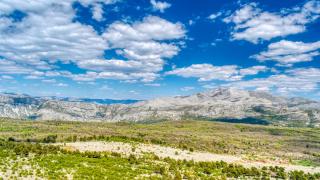
While Zlatni Rat’s pebbles draw crowds, Bol’s interior offers a quieter, more profound connection to the Adriatic. Leave the beach behind and ascend Vidova Gora, the highest peak in the Adriatic Islands. The trail winds through pine forests before opening to sweeping vistas of the Dalmatian archipelago. It is a stark contrast to the golden cape below.
Hikers often reach the summit for roughly 15 euros worth of effort and reward. From this vantage point, the island’s limestone ridges and deep blue waters unfold in a panoramic display. The air is crisp; the silence is heavy. This elevation provides a necessary counterpoint to the sun-drenched shore. You gain perspective on the island’s geography, seeing how the land meets the sea.
The journey up is steep but manageable for most visitors. The view from the top justifies the climb. It is a moment of clarity amidst the Mediterranean heat. Consider this hike the island’s true heart, beating steadily above the tourist trails.