


Whispers of the Old City
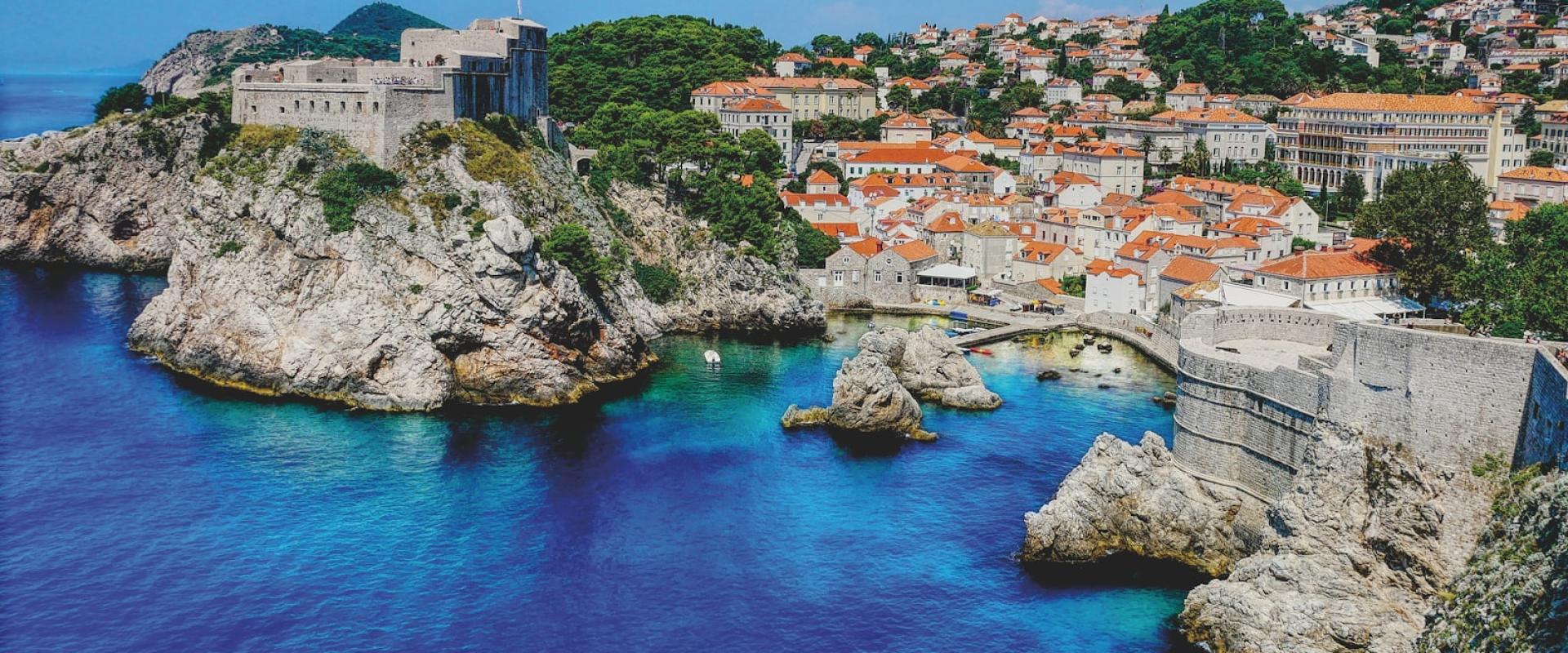
The frantic energy of summer tourism evaporates as Holy Week begins, surrendering the ancient limestone alleys to a profound and unexpected calm. Without the usual throngs of visitors, the rhythmic chanting of locals feels intimate rather than performative. You can watch neighbors carefully plaiting palm fronds, their hands moving with practiced ease, while the air grows heavy with the scent of garlic and boiling water as bakalar—salted cod—is prepared for Lenten tables. Children laugh quietly while dyeing eggs a deep crimson, a small, vibrant splash of color against the muted stone.
That fragile peace holds until Sunday morning, when the sudden toll of church bells shatters the stillness and marks the joyous return of celebration. It is in these fleeting moments of connection, where generations share stories over simple meals, that the true soul of Croatia reveals itself. This is not a curated museum experience but a living, breathing tradition that invites you to witness history as it happens, offering a perspective no guidebook can fully capture.
Rituals of Red Eggs and Silent Bells
Dubrovnik observes Holy Week with a striking auditory void; church bells remain completely mute from Maundy Thursday evening until Easter Sunday. This enforced quietude strips the city of its usual clamor, creating a space for deep reflection rather than mere anticipation.
On Good Friday, the culinary landscape shifts to simple, traditional sustenance. Locals abstain from meat, favoring bakalar—dried cod that has been soaked for twenty-four hours and simmered with robust garlic. This dish anchors the day’s solemnity, offering a tangible connection to centuries of Lenten practice.
Children bring vibrant color to the somber season through the ancient ritual of decorating eggs. Using beeswax to mask patterns and red onion skins to dye the shells, they create hand-painted symbols that replace commercial chocolate eggs. The resulting speckled reds serve as meaningful tokens of cultural heritage rather than simple confectionery.
The hush lifts joyfully on Easter Sunday, broken by the enthusiastic peeling of eggs and the resumption of daily life. Families gather to share spring optimism, marking the definitive end of winter’s grip. For parents, this shared activity offers a gentle, educational bridge to their Croatian roots, weaving young generations into the community’s enduring fabric.
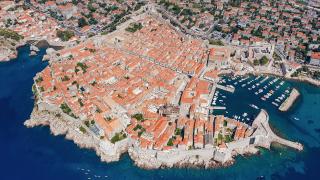
The Good Friday Pogled procession drifts through Dubrovnik’s Old Town with a solemn grace that feels almost tangible. Bells remain mute, honoring the day’s profound somberness while locals in traditional white robes navigate the ancient stone streets under the weight of heavy crosses. This deep-rooted Catholic custom serves as a living testament to Croatia’s rich heritage, connecting present observers to generations past.
Arriving early, ideally in the early afternoon, ensures a prime vantage point near the Stradun without the crush of last-minute crowds. Since the route is lengthy, packing light snacks and water for children is essential, though explaining the significance of the silence beforehand helps maintain the required quietude. Dress modestly to show respect for this sacred time, and keep your group close as you move slowly through the reverent atmosphere.
The air grows thick with a palpable sense of reverence, transforming the historic plaza into a space of shared contemplation. It is a powerful moment for families to observe together, offering a rare glimpse into the spiritual heart of the community. Rather than a mere tourist spectacle, this experience invites you to participate in a tradition that has endured for centuries, grounding you firmly in the present moment.
Sweet Endings and Indoor Sanctuaries
The solemnity of Lent dissolves into joy as families break their fast with kroštule. These crisp, fried dough twists, generously dusted with powdered sugar, offer a delicate, edible conclusion to weeks of abstinence. You can find them waiting in the warm glow of local bakeries scattered throughout Dubrovnik’s old town.
When sudden rain interrupts your plans, the city’s historic churches provide a profound refuge. The silence of the bells, observed from Maundy Thursday until Easter Sunday, creates an atmosphere thick with reflection. Inside, the cool stone walls offer warmth and a tangible connection to centuries of faith. Sharing these quiet moments deepens family bonds.
After the service, gather for a meal of bakalar, or dried cod, prepared with garlic and potatoes. This hearty dish honors the day’s traditions while warming both body and spirit. It is a simple, authentic taste of Croatian heritage that lingers long after the last bite.