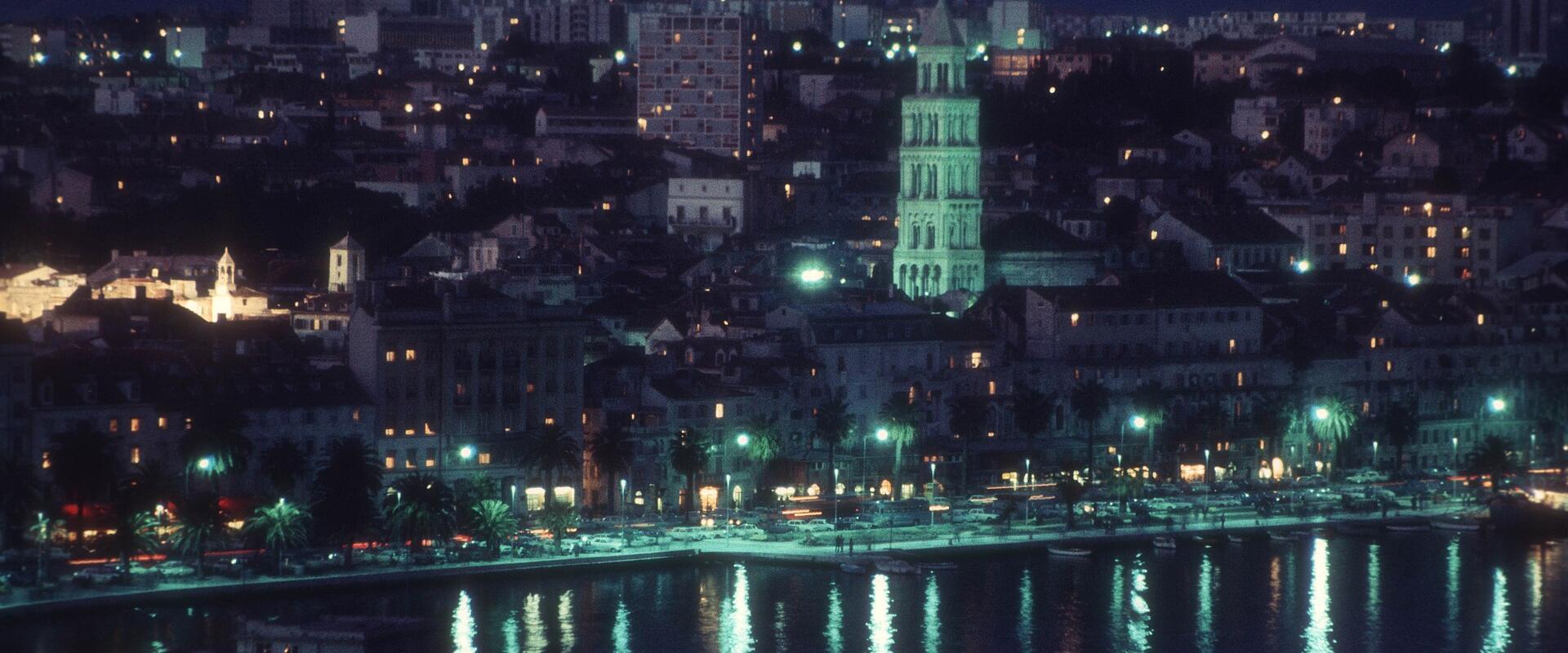
Shadows of the Emperor
Twilight does not merely fall over Split; it settles, a heavy velvet curtain drawing across the sky to cool the limestone bones of Diocletian’s Palace. As the day’s oppressive heat breaks, the ancient walls begin to breathe, exhaling centuries of stored warmth. It is here, in the Peristyle, that the true soul of Dalmatia reveals itself. You will find no ticket booths or guided crowds here, only the sudden, arresting clarity of Klapa music. These a cappella groups, rooted in centuries of maritime tradition, take to the stone steps each summer evening. Their harmonies do not just play; they drift through the colonnades, wrapping around you with an intimacy that feels less like a performance and more like a communal confession. It is a raw, unfiltered slice of local life, requiring only a modest donation to support these custodians of sound.
Echoes in the Cellars
To understand the verticality of Split, you must look down. Descending into the hypogeum, the subterranean level beneath the palace, feels less like walking into a basement and more like stepping backward through time. The air grows instantly cooler, carrying the scent of damp stone and history. Here, the limestone walls are not just structural; they are archival, carved by Roman hands and shaded by the weight of the city above. In the quiet, you can almost hear the echo of imperial boots, a stark contrast to the modern hum vibrating through the floorboards above.
This subterranean silence is not empty; it is heavy, tangible, and grounding. It serves as the perfect prelude to the evening’s main event. For a mere three euros, you can ascend back to the palace grounds as night fully claims the sky. The contrast is jarring and beautiful: above, the city pulses with the blur of tourists and traffic; below, in the memory of the hypogeum, time has slowed to a crawl. The blend of traditional Dalmatian vocals and Roman masonry creates a unique acoustic resonance. You are not just observing history; you are listening to it breathe.
The Peristyle’s Serenade
As the last light fades from the sky, the Peristyle transforms from an archaeological site into a living amphitheater. The air shifts, thickening with the anticipation of the crowd. Nightly Klapa performances begin, their voices projecting with surprising power against the hard limestone surfaces. The sound bounces through the colonnade, deep and resonant, filling every corner of the square. There is no stage, no amplification, no spotlight—just raw, unfiltered human talent competing with the lap of the Adriatic against the distant quay.
Entry costs just three euros, a price that feels almost symbolic given the value of the experience. Strangers and residents alike crowd together on the stone steps, sharing the fading light. You feel the history and the harmony merge seamlessly. It is a simple, profound connection to Croatian culture, stripped of pretense. Locals and visitors gather closely, united by the shared awe of voices weaving through ancient arches.
Feast Under the Stars
The music may end, but the evening is far from over. After the final chord fades, the social warmth of Split takes center stage. Head toward the waterfront, where the scent of grilled fish and garlic mingles with the salty sea breeze. A nearby restaurant offers more than just a meal; it offers a continuation of the night’s intimacy. Share fresh seafood and local Plavac Mali wine, soaking up the vibrant social culture that defines Split after dark.
This transition from sacred stone to communal table is seamless. The three euros spent on the concert is merely the entry fee to a broader cultural immersion. As you savor the local flavors, you realize that the Klapa tradition is not just about music; it is about community, gathering, and sharing space. The dining culture here is not about fine dining pretension, but about connection, mirroring the unpretentious beauty of the palace itself.
Whispers of the Adriatic
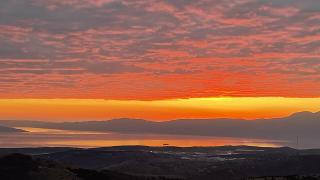
The sun dips below the horizon, painting the sky in hues of violet and burnt orange, signaling the end of the day’s spectacle. As twilight settles over the coast, the rhythmic strumming of guitars begins to rise from the harbor. You can hear the first notes drifting through the narrow streets, pulling you instinctively toward the water. It is a siren song of stone and sea, inviting you to linger.
Three euros buys you a seat on the stone steps, but the real value lies in the air itself. Local vocal groups gather there, their voices weaving together in tight, haunting harmonies that have echoed across Dalmatia for centuries. Listen closely. You might catch the slight crack in a tenor’s voice or the sharp intake of breath before a high note. These imperfections make the moment feel intimate, like you’re part of the family rather than an observer. The melody lingers long after the last chord fades, wrapping around you like a warm blanket.
Walking home later, the silence of the night feels different now. It is not empty; it is full of memory. You carry that specific peace with you, a quiet reminder of Split’s enduring soul, long after the music has stopped.