

Echoes of Empire and Waves of Wonder
I am Marko Perić. Zadar is not just my hometown; it is the stage where my daily life unfolds.
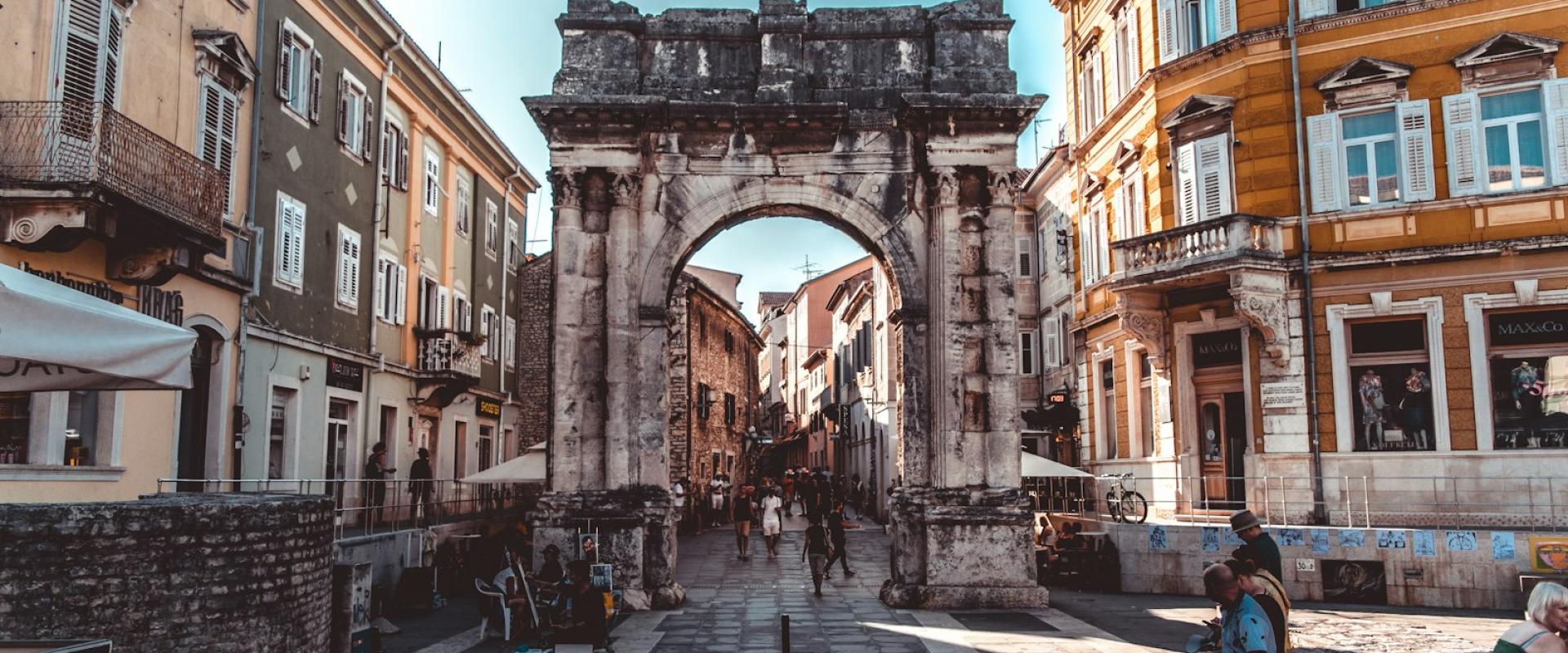
Standing in the Roman Forum, you do not merely look at history—you walk through it. The stone beneath your feet has supported empires, kings, and merchants for two millennia. It is a living foundation, cracked by time but enduring, serving as the literal ground floor for modern Croatian life.
Just beyond these ancient ruins, the Adriatic Sea performs a silent concert. The Sea Organ transforms the pressure of incoming waves into music through submerged pipes. You do not need headphones. You only need to stand still and listen. The sound rises from the pavement, created by nature itself, indifferent to human schedules.
This blend of imperial stone and natural sound defines our coastal soul. Come walk with me through time.
Stone Whispers: The Roman Forum’s Silent Story
The Roman Forum in Zadar feels less like a curated museum exhibit and more like a seamless extension of the city’s daily heartbeat. Visitors often pause here, expecting solemn silence, but the space hums with contemporary energy. Locals debate over where to find the best palačinka (crepes), turning historical grounds into a casual dining backdrop. This juxtaposition of imperial history and contemporary comfort creates a unique, grounded atmosphere that few other European sites can match.
The experience shifts dramatically as you walk toward the waterfront edge. Here, the Sea Organ transforms the Adriatic’s physical power into audible music. Underground chambers channel wave pressure through submerged pipes, generating harmonic tones without electricity or human intervention. It is a passive performance, driven entirely by the rhythm of the tide and the wind. Standing near the steps, you do not just see history; you hear the environment interacting with architecture in real-time.
Time seems to slow down in this specific pocket of Zadar. Grabbing a coffee from a nearby kiosk allows you to linger, letting the sounds of water and stone settle into your memory. The contrast between the static ruins and the fluid motion of the sea creates a sensory blend that lingers long after you leave. It is not merely about observing artifacts; it is about feeling the pulse of a city that honors its past while living fully in the present.
The Sea’s Own Symphony: Listening to the Organ
Beneath the stone steps of Zadar, the Adriatic breathes life into a hidden instrument.
Submerged pipes channel the rhythmic push and pull of the tides, transforming raw water pressure into distinct, ethereal notes. These tones rise and fall unpredictably, creating a composition that shifts with every gust of wind and swell of the sea. The weather acts as the conductor, dictating whether the melody remains a gentle hum or swells into a powerful crescendo.
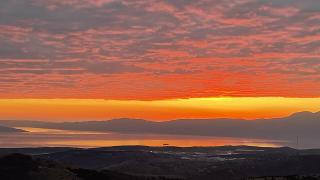
Standing quietly among the steps allows you to witness this natural performance firsthand. You do not need headphones or a ticket to experience this free, open-air concert that plays day and night. The late afternoon light casts a warm glow on the scene, making it an ideal spot for quiet reflection as the day winds down.
This unique acoustic phenomenon turns the city into a stage where the ocean is the sole musician. It is a sensory experience that demands no explanation, only your presence. As dusk settles over the coast, the interplay of sound and light creates a memorable atmosphere that lingers long after you leave.
Lighting Up the Night: Sun Greetings and Sunset Sips
As twilight settles over Zadar, the sky surrenders to darkness, allowing the Monument to the Sun to awaken. Its one thousand LEDs begin a slow, rhythmic dance across the ancient Roman Forum pavement, casting long, shifting shadows that breathe life into the historic stones.
Just steps away, the Sea Organ transforms the Adriatic’s mood swings into music. Submerged pipes catch the energy of incoming waves, generating deep, organic chords that resonate through the air without a single electronic speaker in sight. The performance is entirely natural, continuous, and completely free of charge.
You can settle into a nearby konoba to pair these acoustic wonders with a glass of local Plavac Mali wine. The tannins are bold, matching the intensity of the coastal breeze. This specific convergence of light, sound, and taste defines the city’s evening allure.
There is no ticket required, no schedule to memorize, and no crowd control. Simply find a seat on the promenade, let the waves dictate the rhythm, and sink into the relaxed Croatian night.
Marko’s Final Whisper: Your Zadar Journey Begins
The ancient stones of the Roman Forum hum with a quiet history that feels surprisingly alive underfoot. While you wander through these ruins, the air shifts as you approach the waterfront, where the boundary between land and sea dissolves into something magical.
Nikola Bašić’s Sea Organ transforms the restless Adriatic waves into a haunting symphony through a series of submerged pipes. This hydro-acoustic marvel turns the tide’s natural rhythm into music you can hear and feel vibrating through the ground. Nearby, the Monument to the Sun adds another layer to this sensory landscape, its intricate mosaic catching the light as the day fades.
This specific blend of archaeology and acoustic artistry defines Zadar’s unique character. You do not need a ticket or a guide to experience this harmony; simply bring your ears and let the city speak to you. I hope to see you soon, standing right there where the history and the harmonies meet.