

A Central European Heartbeat in the Balkans
Zagreb does not simply host its Advent Market; it breathes it. For six weeks, from late November to early January, the Croatian capital undergoes a seasonal metamorphosis. This is not a commercialized tourist trap, but a genuine cultural reclamation of public space. The market’s quality is undeniable—it was crowned "Best Christmas Market" by European Best Destinations three years in a row (2016–2018). What makes it unique is the alchemy of Central European structure and Mediterranean ease. The architecture provides the stage, but the local temperament provides the warmth.
The narrative of the season begins at Ban Jelačić Square. It is here, under the gaze of the equestrian statue, that the city holds its breath. The official start is marked by the lighting of the first Advent candle, a solemn ritual that signals the shift from ordinary life to holiday magic. From this epicenter, over twenty-five distinct market zones radiate outward, creating a festive tapestry that covers the entire upper town.
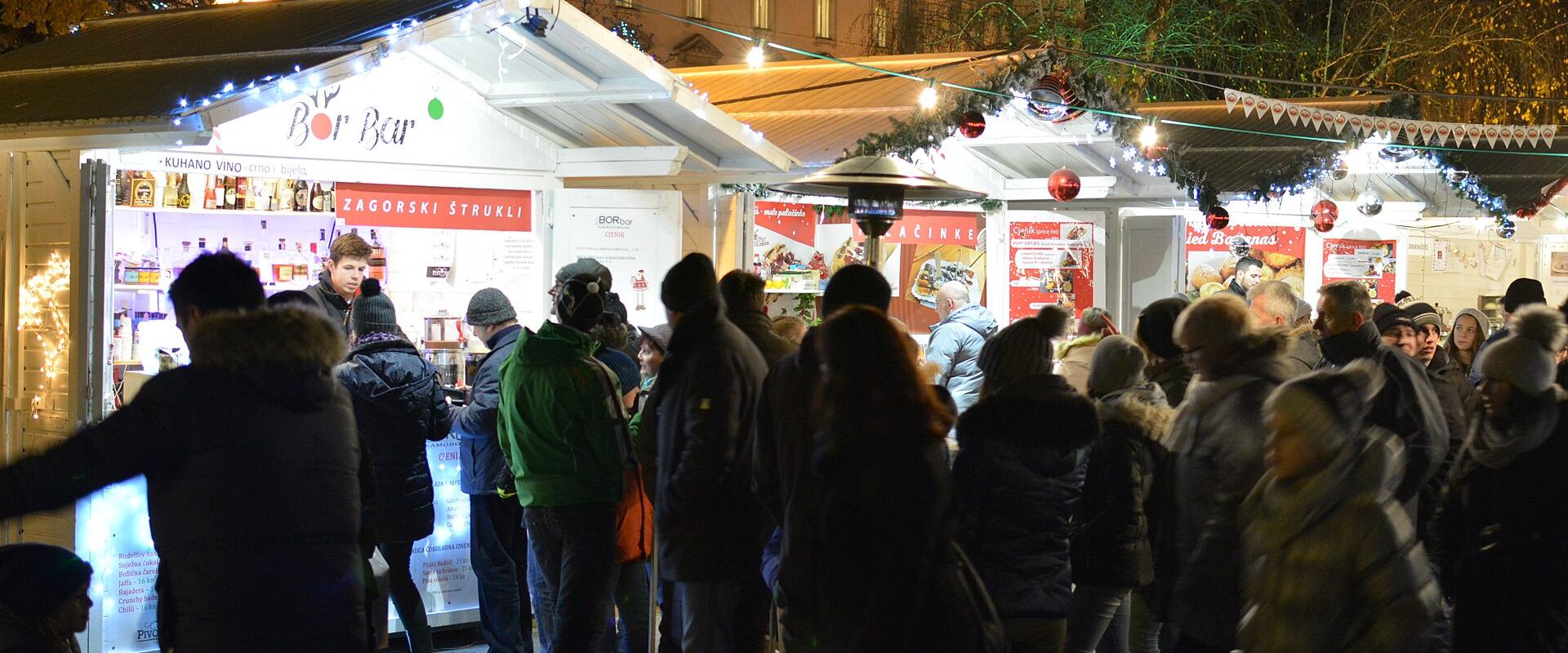
Walking through these stalls reveals a narrative of preservation rather than just commerce. Look closer at the wares: intricate glass ornaments blown in local workshops, wooden toys carved from sustainable timber, and ceramic pieces that echo centuries of Dalmatian and Slavonian craftsmanship. The air itself becomes part of the experience, thick with the scent of roasting chestnuts and the spicy aroma of kuhano vino (mulled wine). It is a sensory immersion that distinguishes Zagreb from colder, more rigid European markets.
The energy remains high thanks to daily cultural programming. You will hear the strum of traditional tamburica instruments and see dancers in vibrant, regional costumes. Crucially, this spectacle is entirely free. This accessibility democratizes the joy of the season, ensuring that the market belongs to the community, not just those with disposable income.
The city center can feel like a glittering maze, but the chaos is largely an illusion created by poor timing. Ban Jelačić Square is undeniably the energetic heart, especially during the ceremonial candle-lighting, but it also draws the largest throngs. To experience the market’s soul rather than just its crowd, you must be strategic.
If you visit between November 28 and January 7, aim for weekdays before 4 PM. This window offers a significantly quieter atmosphere. You can actually view the ice skating rink and central stage performances without jostling for position. The light is softer, the interactions with vendors more personal, and the overall vibe more contemplative.
When the main square feels overwhelming, pivot toward the Strossmayer and Vranyczany Plateaus. These secondary hubs are packed with artisan stalls and local food vendors but lack the peak-hour congestion of the central square. It is the perfect place to browse handmade goods and sample regional cuisine at a leisurely pace.
Practical tip: Carry small bills or coins. While many stalls accept cards, smaller vendors selling collectible mugs or simple snacks often prefer cash. Prices vary significantly by stall, so a moment of inquiry can save you money and time. Explore these quieter corners first, then head to the main square for dinner. This approach allows you to appreciate the Central European sophistication of the event without the stress of navigating peak-hour crowds.
Sips of Mulled Wine and Whispers of Craft
Ban Jelačić Square transforms into a sensory hub where the crisp winter air mingles with the rich aroma of clove and cinnamon. This central gathering point anchors Zagreb’s celebrated Advent season. While the square buzzes with energy, the festivities spill out across more than 25 distinct themed locations throughout the city, each with its own character.
Explore these scattered venues to discover unique handmade goods and taste local specialties that define the region’s culinary heritage. You might find hand-poured candles scented with lavender from the Istrian peninsula or smoked meats from the continental interior. Back at the heart of the celebration, you can secure a collectible mug of spiced wine while watching the traditional lighting of the first Advent candle.
Live music and cultural performances echo through the evening, creating a unique blend of Central European tradition and Mediterranean warmth. For those seeking active fun, a short walk leads to the Strossmayer and Vranyczany Plateaus, where ice skating is free and additional artisan stalls await. The entire event spans from late November through early January, offering ample time to connect with local vendors at your own pace.
Beyond the Square: A City Transformed
Ban Jelačić Square hosts the ceremonial lighting of the first Advent candle, but the true magic of Zagreb’s holiday season unfolds in the shadows and side streets. Wander toward the Strossmayer Gallery to escape the main hub’s crowds. Here, you can sip mulled wine while the air fills with the scent of pine and roasted chestnuts. Over 25 themed markets dot the city’s promenades, offering a quieter yet equally festive atmosphere.
Local artisans display intricate handmade goods alongside regional specialties that highlight our Central European heritage. Daily cultural performances animate these streets, blending sophisticated traditions with a distinct Mediterranean charm. This city-wide celebration, recognized as the Best Christmas Market by European Best Destinations, runs from November 28 to January 7.
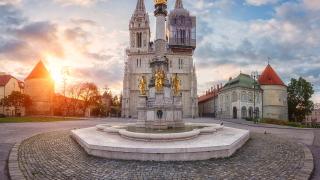
The experience transforms Zagreb into a winter wonderland that feels less like a transaction and more like a community gathering. Notice the playful contrast between the energetic ice skating rink on the main square and the solemn beauty of the nearby Cathedral. Ultimately, the season invites you to slow down, savor the warmth of Croatian hospitality, and appreciate the intricate details of local craftsmanship amidst the winter chill. It is an experience that lingers long after the last stall closes.