
Stone Whispers in the Adriatic Sun
Sunlight hits the ancient masonry of the Cathedral of St. James in Šibenik with a particular intensity, warming the local stone until it seems to glow from within. Inscribed as a UNESCO World Heritage Site in 2000, this architectural gem is not merely a place of worship but a masterclass in stylistic fusion. It seamlessly blends the vertical aspirations of Gothic architecture with the balanced proportions of the Renaissance. The structure stands as undeniable proof of Dalmatia’s artistic prowess, carved entirely from local stone by local hands.
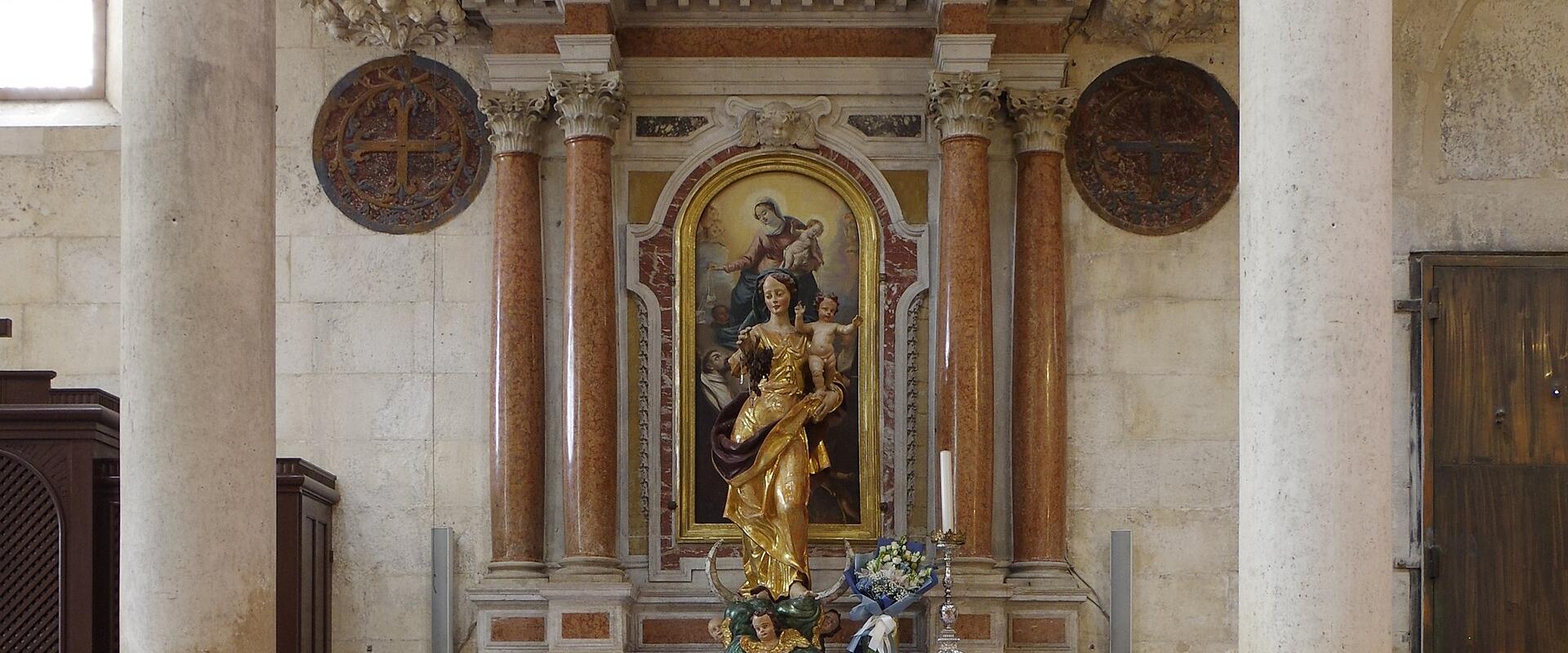
Walking through the nave, you are invited to trace the intricate lines etched into the walls, touching history directly. The building serves as a monument to Šibenik’s historical significance, prompting quiet reflection on the centuries of craftsmanship that brought it to life. Inside, the atmosphere is one of stark, beautiful serenity—a spiritual interior that offers a profound contrast to the defensive might of the fortifications visible just outside its gates.
The Architects’ Stone Symphony
What makes this cathedral truly remarkable is its construction method: it rises without a single drop of mortar. Instead, it relies on gravity and intricate stone vaulting, a feat that defies logic and earns its prestigious UNESCO status. The creation of this masterpiece spanned more than a century, guided by three distinct visionaries who left their unique marks on the structure.
Georgius Mathei Dalmaticus laid the foundation, introducing early Renaissance sensibilities to the Dalmatian coast. He was followed by Francesco di Giacomo, who refined the design with greater intricacy and complexity. Finally, Niccolò di Giovanni Fiorentino crowned the building with its iconic dome, bridging the gap between Gothic verticality and Renaissance harmony.
Walk the perimeter to witness how these eras blend. A frieze of 71 carved faces encircles the exterior, offering a striking visual dialogue between the sacred and the secular. You will spot saints and angels, but also the everyday locals who once walked these streets. This mix of Northern Italian elegance and Dalmatian ruggedity creates a spiritual atmosphere unlike any other. Every carved detail proves how Šibenik served as an intellectual hub, where diverse artistic currents converged. The result is not just a church, but a century-long conversation in stone.
Fortress Walls and Coastal Views
Perched above the harbor, the St. Nicholas Fortress commands a view that once deterred Ottoman fleets. Its thick stone ramparts still carry the salty tang of the Adriatic, a sensory reminder of the Venetian stronghold’s defensive purpose. A brief walk inside reveals a modest museum, where maritime artifacts quietly narrate the city’s naval heritage. The admission fee is reasonable—around 10 EUR—making this historical encounter accessible to all travelers.
The layout of the fortress creates a direct visual and thematic link to the nearby Cathedral of St. James. While the cathedral speaks to spiritual devotion, the fortress stands as a testament to military strategy. This duality defines Šibenik’s layered identity, where defense and faith coexist on the same skyline. Walking these walls offers a unique perspective, connecting the city’s sacred architecture to its secular survival.
Sunlight transforms the site during the golden hour, casting warm hues against the ancient masonry. It is an ideal spot to pause and imagine the ships that once navigated these treacherous waters. The fortress remains open daily from 09:00 to 20:00 in the summer, offering ample time for reflection. Here, the past feels tangible, preserved in the quiet rhythm of the sea breeze and the enduring strength of the stones.
Taste of Dalmatia
Leave the stone dome of St. James behind and step into Šibenik’s historic center, where authentic flavors await. Traditional konobas serve black risotto dyed with cuttlefish ink alongside crispy krumpirice potato cakes. Sip Pošip wine, a crisp white from the nearby Pelješac peninsula, to complement these local dishes. Warm hospitality reflects centuries of Dalmatian culinary heritage, creating a welcoming atmosphere.
Picture yourself eating grilled fish while listening to the waves. This experience connects you to the land and sea that shaped this UNESCO city. Let the rich tastes linger as you reflect on the day's architectural wonders.
After marveling at the stone dome of St. James Cathedral, wander into Šibenik’s historic center for authentic flavors. Seek out traditional konobas where you can savor black risotto, colored by cuttlefish ink, or crispy krumpirice potato cakes. Pair your meal with Pošip, a crisp white wine from the nearby Pelješac peninsula. The local hospitality is warm, reflecting centuries of Dalmatian culinary heritage. You might enjoy a simple plate of grilled fish while listening to the sea. This is not just a meal; it is a connection to the land and sea that shaped this UNESCO city. Let the rich tastes linger as you reflect on the day's architectural wonders.
Echoes of the Past
Stone holds memories that history books frequently overlook. The Cathedral of St. James in Šibenik rises from the Dalmatian coast as a UNESCO-recognized masterpiece, its structure rising from the sea since 1431. This building took over a century to complete, relying entirely on local stone rather than mortar for its stability. Artists such as Georgius Mathei Dalmaticus and Niccolò di Giovanni Fiorentino blended Northern Italian, Dalmatian, and Tuscan styles into a singular architectural voice. Their collaboration created a space where Gothic verticality meets Renaissance harmony, proving that cultural exchange can produce something far greater than the sum of its parts.
The legacy of these craftsmen comes alive during the Festival of St. James, when the cathedral’s interior resonates with music that has echoed through its vaults for centuries. Walking through those stone corridors feels less like visiting a museum and more like stepping into a living conversation between past and present. The walls do not merely support the roof; they support the weight of a shared human heritage. As you step back out into the Adriatic sun, consider how this site bridges centuries without losing its relevance. The stones are quiet, but they have much to say if you know how to listen.