
Echoes of Diocletian: The Departure from Split
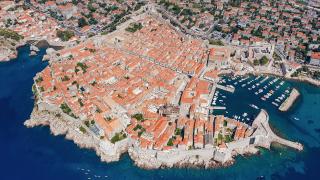
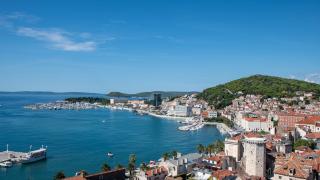
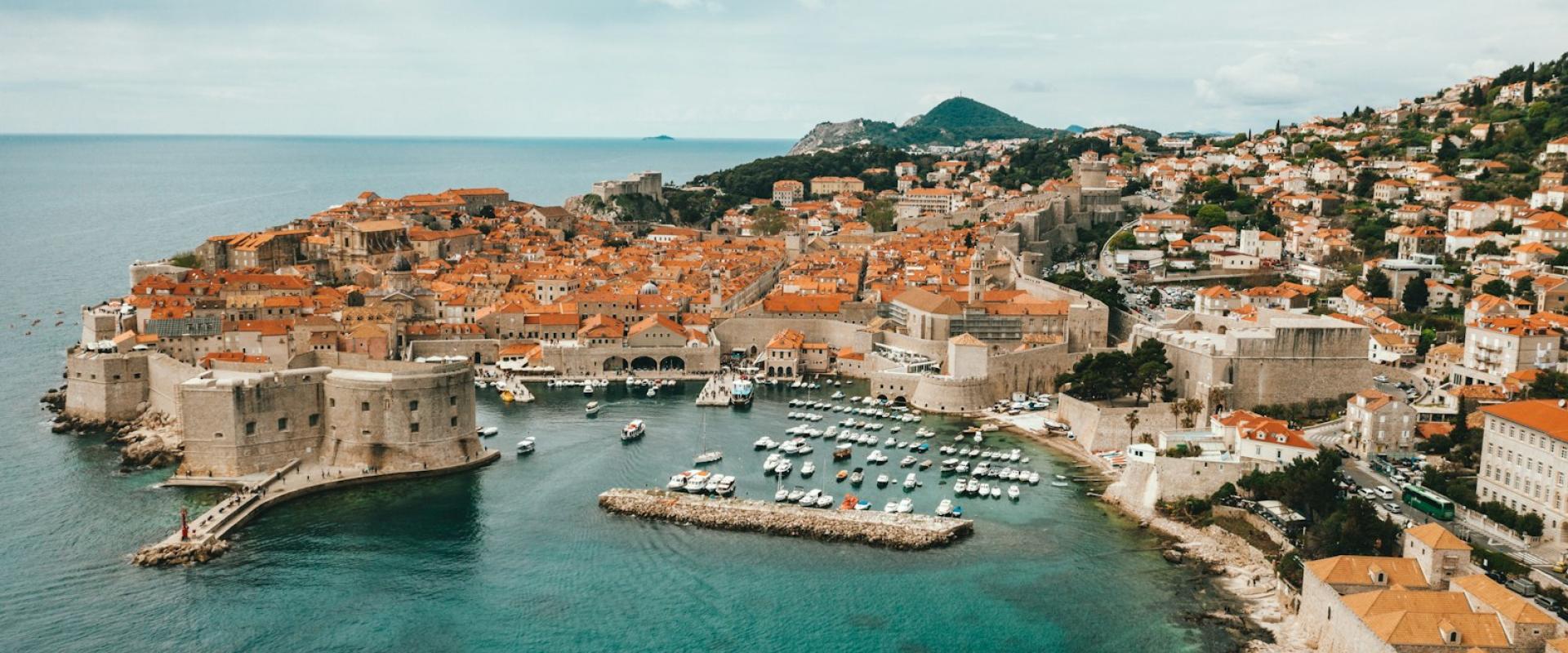
Stepping out of Diocletian’s Palace gates feels less like leaving a building and more like shedding a heavy, ancient skin. The air here is thick, carrying the distinct brine of the Adriatic that clings to your skin, a persistent reminder of the sea’s enduring proximity. Inside the palace walls, time appears suspended in amber; outside, the modern city of Split pulses with an urgent, chaotic vitality. Navigating the exit via the D8 highway requires a specific kind of patience, particularly during the height of summer when traffic slows to a crawl. You will pass neon-lit hotels rising directly from Roman stone foundations, a jarring yet fascinating visual dissonance. This friction between imperial antiquity and tourist-driven modernity defines the initial phase of your departure.
The route toward Zadar opens up quickly, offering a stark relief from the urban confinement. Turquoise waters soon appear on the horizon, signaling the shift from the city’s density to coastal freedom. Merging onto the main carriageway silences the clamor of Split. The cacophony of street vendors and traffic is replaced by the steady hum of tires and the distant cries of gulls. This drive is not merely transportation; it is a temporal transition. You are leaving behind the emperor’s retreat to embrace the open sky. The landscape here has captivated travelers for centuries, offering a visual reward that outweighs the initial congestion. Attention to the road ensures a smooth passage into this historic region, where every kilometer feels like a step back in time.
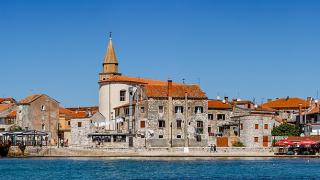
The coastal drive from Split to Zadar is stark and beautiful, but Šibenik insists you stop. Juraj Dalmatinac’s design for the St. James Cathedral (Katedrala sv. Jakova) resists simple classification. Built primarily from local stone, its fortifications and domes blend seamlessly into the rugged coastline. The architecture showcases a unique mix of Gothic and Renaissance styles that few other Croatian towns possess. Driving here demands focus; the coastal highway can be busy, but the detour into the old town is worth every minute.
Once parked, you can wander the narrow streets lined with historic homes. The air often carries the scent of rosemary and salt, mingling with the aroma of grilling fish. Lunch might include fresh seafood at a konoba near the harbor. Prices vary, but expect to pay around €15-20 for a hearty meal. This stop is not merely a break; it is an immersion into Dalmatian resilience. The cathedral’s dome, visible from miles away, serves as a beacon for travelers. It stands as a testament to centuries of craftsmanship. Consider visiting in the late afternoon when the light turns the stone golden. This gentle glow highlights the intricate carvings on the facade. You will find the atmosphere calm and reflective. It is a moment to appreciate history before continuing your journey north.
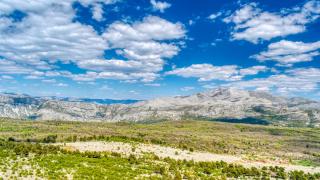
The D2 highway clings to the shoreline, offering a dramatic preview of the Adriatic with every sharp bend. Driving north from Split toward Zadar, the terrain shifts rapidly from stark limestone cliffs to verdant inland hills. This visual variety keeps the eyes engaged, ensuring that no two miles feel identical. The road safety here is paramount. The D2 can be busy with local traffic, so maintain a steady, cautious pace. Avoid the peak summer months if possible; July and August bring heavy congestion that diminishes the serene experience. For a more relaxed drive, consider the inland route through the Moslavina region, though it adds time to your trip.
As you approach Zadar, look beyond the main attractions. The area around the Zrmanja River offers quieter spots. You might find small beaches accessible only by foot, away from the crowded tourist zones. These secluded coves provide a peaceful contrast to the bustling city centers. The vegetation changes subtly along the way. Pine forests give way to olive groves and vineyards, reflecting the agricultural richness of the region. This diversity adds depth to the visual experience, making each kilometer distinct.
Consider stopping in Šibenik, a UNESCO World Heritage site, to break the drive. The St. James Cathedral stands as a testament to Dalmatian architecture, offering a cultural pause before reaching Zadar. The drive from Split to Zadar is not just about the destination. It is about the rhythm of the road, the changing light, and the quiet moments found between major towns. Take your time. Let the scenery unfold naturally. You will find that the journey itself holds as much value as the final stop.
The Sea Organ’s Song: Arrival in Zadar
The asphalt highway finally gives way to the rhythmic pulse of the Adriatic as you pull into Zadar’s waterfront. This moment marks a shift from the chaotic noise of the motorway to a serene, melodic stillness. Before you even spot the structure, the wind begins to play the organ. Nikola Bašić’s ingenious installation transforms stone steps into a living instrument, generating ethereal tones that rise directly from the sea floor. It stands as a striking testament to human creativity meeting natural forces.
Ancient history lies just beneath your feet along the Riva. Roman Forum remnants, dating back to the 1st century BC, rest silently under modern pavement. You can trace the faint outlines of a basilica and a temple, now quiet witnesses to centuries of change. The contrast is sharp: the loud, relentless traffic of the drive behind you versus the gentle, melodic crash of waves ahead. This juxtaposition creates a profound sense of peace.
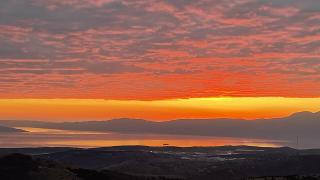
As the sun dips below the horizon, the Sea Organ’s song swells in volume. It competes with the glowing light of the Glass Sun, another of Bašić’s contemporary works nearby. This convergence of deep history and modern art defines the unique character of Zadar. You have traveled hundreds of kilometers for this immediate reward. Consider extending your stay. Let the sound wash over you, creating a memory that lingers long after you drive back toward Split.