The Baranja Wine Road winds through the center of Croatia’s Baranja region, a fertile triangle bordered by the Drava and Danube rivers and known for its centuries-old winemaking traditions. The region’s viticultural history goes back to Roman times, but it flourished under Hungarian and later Habsburg rule, when the area became a vital center for wine production. Today Baranja’s winemaking legacy is preserved in its picturesque villages, historic cellars and the enduring passion of local winemakers. After the war of the 1990s and the peaceful reintegration of the region in 1998, many families replanted vineyards and reopened cellars, and the wine road was created as a way to share the region’s traditions with visitors.
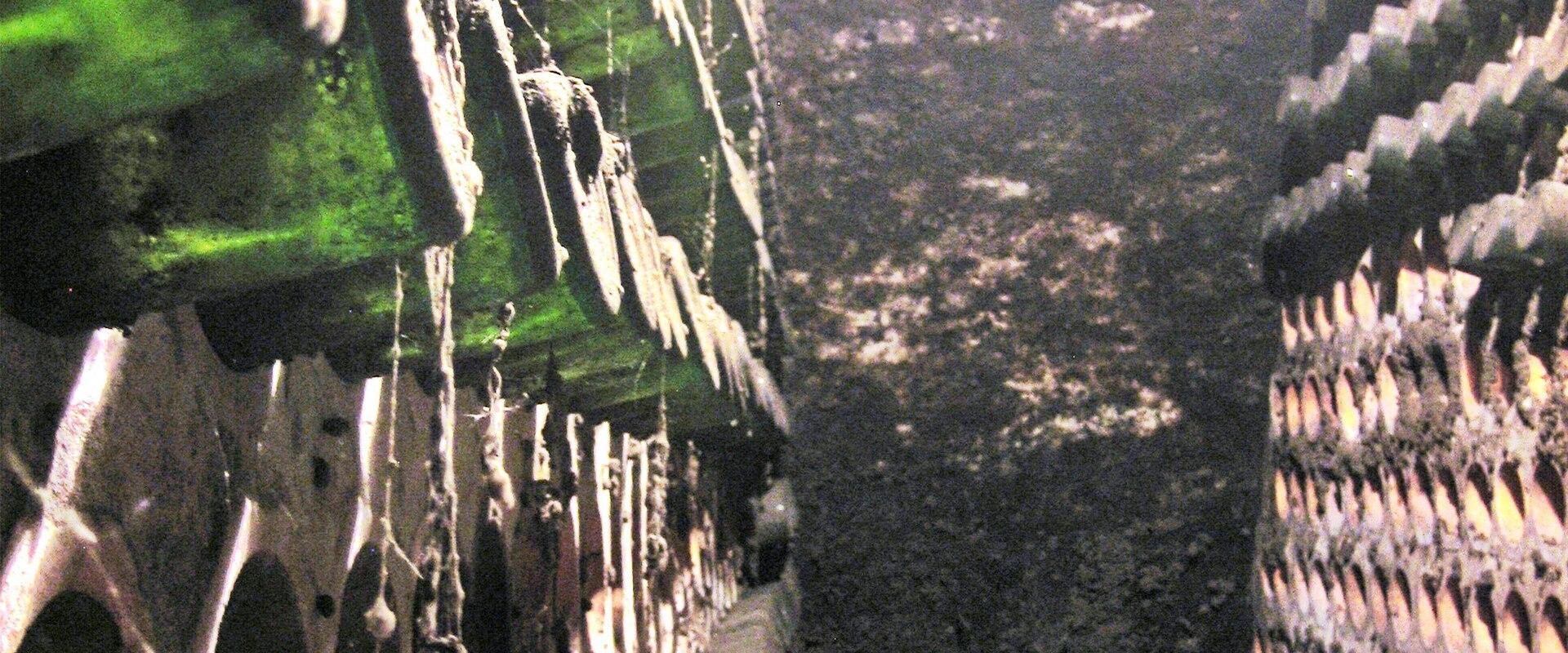
The route is centered on the village of Kneževi Vinogradi, whose name literally means 'Prince’s Vineyards,' and extends through a patchwork of vineyards, rural hamlets and gently rolling hills. The village of Zmajevac is often considered the wine capital of Baranja, famous for its unique gatori, traditional wine cellars carved into the loess hillsides. Here visitors can explore atmospheric cellars, meet winemakers and sample a range of local wines, with Graševina, known elsewhere as Welschriesling, and Frankovka, or Blaufränkisch, among the most celebrated varieties. The Gerstmajer Wine Cellar in Zmajevac is a standout stop. Notable wineries along the route include the Josić Winery, acclaimed for its robust reds and elegant whites, and Kolar Wines in Suza, known for award-winning vintages. Belje, the large estate in Kneževi Vinogradi, has historic cellars and a visitor program, and small family producers in Kotlina, Draž and Popovac complete the picture.
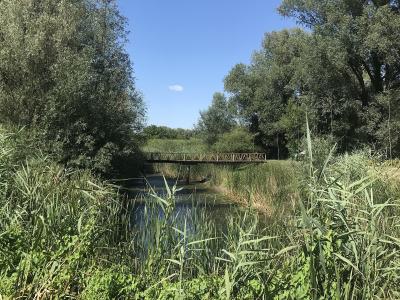
Beyond wine tasting, the Baranja Wine Road offers a wealth of attractions and activities. The nearby Kopački Rit Nature Park is one of Europe’s largest wetlands, home to diverse birdlife and good for nature walks, cycling and boat tours. The Batina Monument, perched above the Danube, gives sweeping views and a poignant reminder of the region’s World War II history. Throughout the year Baranja hosts lively events such as the Zmajevac Wine Marathon and the Gator Festival, where visitors can enjoy local music, food and, of course, wine. The marathon, in which runners and walkers stop at cellars along the course, is among the most cheerful events of its kind, and the harvest festivals in autumn bring dancing and singing to the village streets.
Culinary experiences are integral to the Baranja Wine Road. Traditional taverns, known as 'čardas', serve regional specialties like fiš paprikaš, a spicy fish stew cooked slowly over an open fire, smoked meats and homemade cheeses, often paired with local wines. The area’s multicultural heritage is reflected in its cuisine, which blends Croatian, Hungarian and Serbian influences, and the sweet paprika that colors the dishes is a signature flavor. Kulen, a paprika-flavored sausage that matures in the cold months, and domestic noodles with poppy seed or walnuts, are other items on the menu.
A practical plan helps. The villages are close together, but tastings add up, so many visitors rent a bicycle, join a guided tour or book a night in a guesthouse. Appointments are often wise for groups, and hosts appreciate notice. Cellars are most welcoming in the afternoons from spring to autumn, and in the week of the grape harvest, many open their doors to anyone who wants to taste must and watch the pressing.
Getting to the Baranja Wine Road is straightforward. The region is easily accessible by car from Osijek, the largest city in eastern Croatia, which is about 30 kilometers to the south. Public transport options include regional buses, but having a car allows greater flexibility to explore the villages and wineries at your own pace. Guided tours are also available for those who want a curated experience.
The best time to visit is from mid-May to early October, when the weather is warm and the vineyards are lush. Spring brings blossoming landscapes and fewer crowds, while autumn is harvest season, marked by vibrant festivals and grape picking. Summers can be hot, but the cool interiors of the wine cellars offer a pleasant respite. Whether you are a seasoned wine lover or a casual traveler, the Baranja Wine Road offers an immersive journey through the flavors, history and natural beauty of Croatia’s eastern frontier.
Best time to visit
Mid-May to early October offers pleasant weather, lush vineyards, and lively festivals—ideal for wine tasting and outdoor activities.
Planning a visit to Baranja Wine Road
Good to know
- Currency
- EUR
- Language
- Croatian