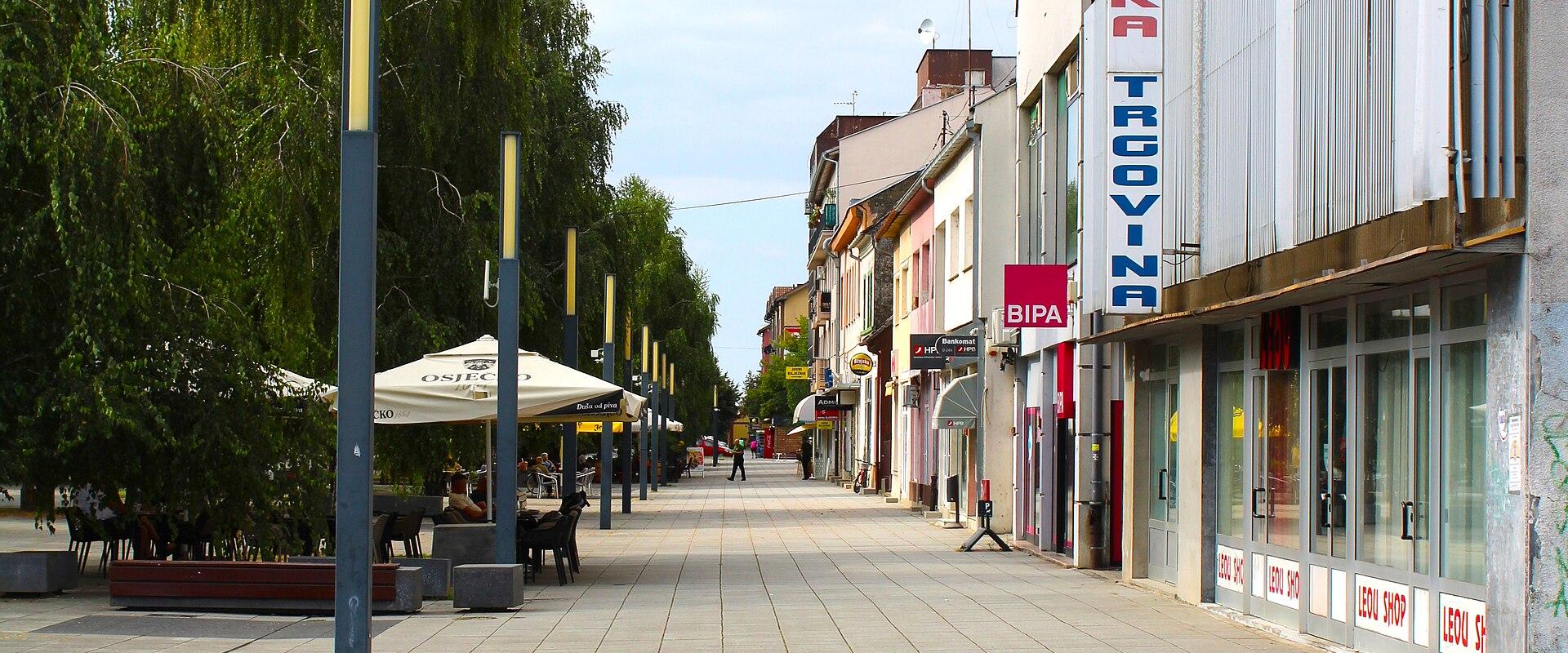
Beli Manastir’s history is deeply intertwined with the story of Baranja, a region shaped by centuries of migration, trade and cultural exchange. The town developed as a center for agriculture, crafts and commerce, with its residents keeping a close connection to the land and the surrounding wetlands. Over time Beli Manastir has grown into a dynamic municipality that balances its rural roots with modern amenities and a strong sense of community. Its name, meaning White Monastery, recalls an earlier religious house, though little of it remains. In the 20th century Baranja went through hard times: the area was occupied in 1991 and returned to Croatia by peaceful reintegration in 1998, and the town today is proud of its mixed community.
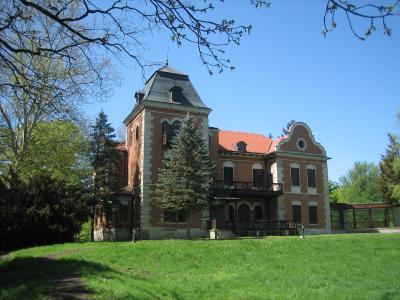
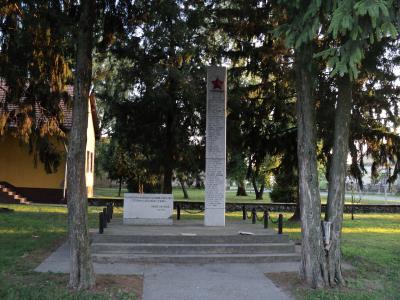
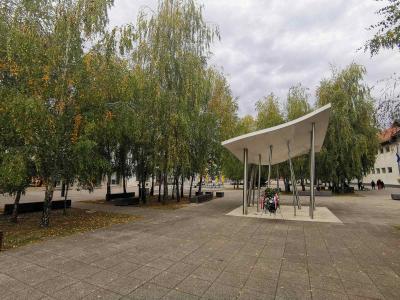
The main attractions in Beli Manastir are its cultural sites, markets and proximity to natural wonders. The town’s central square, Trg Slobode, is lined with cafes, shops and historic buildings, while local museums and galleries show the art, history and traditions of Baranja. The Horvat House, a residential building, is a quiet example of local architecture, and the monument to the fallen fighters of the Battle of Bolman, a World War II engagement in the region, recalls the 1944 fighting. Community events and festivals celebrate the area’s multicultural heritage, music and cuisine, offering visitors a chance to experience authentic hospitality and join in the festivities.
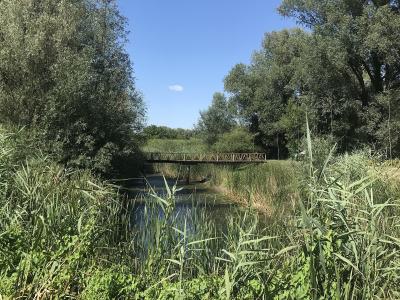
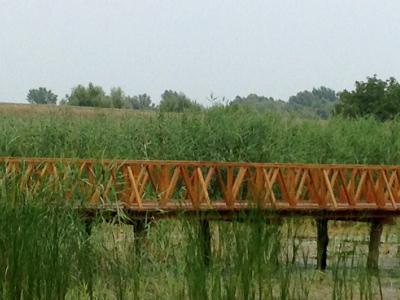
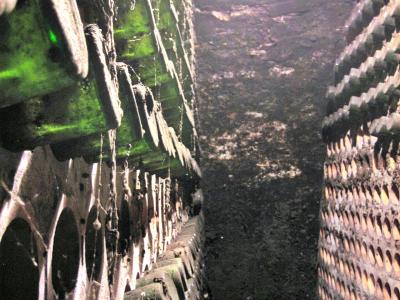
Beli Manastir is a gateway to the Baranja Wine Road, with dozens of wineries and traditional cellars offering tastings of Graševina, Frankovka and Kadarka wines. Kadarka, a red grape of Balkan and Hungarian tradition, is a speciality of the area and is worth seeking out. The surrounding countryside is good for cycling, walking and birdwatching, with trails connecting the town to neighboring villages, vineyards and the scenic Drava and Danube rivers. The nearby Kopački Rit Nature Park is one of Europe’s largest wetlands, home to hundreds of bird species and an important place for nature lovers, photographers and eco-tourists.
The town’s culinary scene is a highlight, with restaurants and markets serving Baranja specialties such as fish paprikash, smoked meats and homemade pastries. Paprika is the defining spice, and the Hungarian influence shows in the stews and the sweet pastries. Artisans and producers offer handicrafts, honey and preserves, which make Beli Manastir a good place to discover the flavors and traditions of the region. Markets are lively on Saturdays, when farmers from the surrounding villages bring vegetables, cheese and sausages.
A typical visit might combine a morning in the town, an afternoon at a cellar in a hill village such as Zmajevac or Kneževi Vinogradi and an evening meal of fish stew. Because distances are short, it is easy to include Kopački Rit on another day, and Osijek makes a good contrast with its fortress and cafes.
Getting to Beli Manastir is straightforward. The town is accessible by road and rail from Osijek and other regional centers, with regular buses and trains serving the area. Parking is available in the town center, and the compact layout makes it easy to explore on foot or by bicycle. Accommodation options include hotels, guesthouses and rural homestays, providing a comfortable base for visitors.
The best time to visit Beli Manastir is from May to September, when the weather is warm, the countryside is lush and local festivals and outdoor activities are in full swing. Spring and early autumn also offer mild temperatures and beautiful scenery, suited to sightseeing, wine tasting and the relaxed pace of Baranja life. Whether you are interested in history, nature or rural traditions, Beli Manastir offers an authentic and memorable stay.
Best time to visit
May to September offers warm weather, lush scenery, and ideal conditions for wine tasting, cycling, and exploring Baranja’s cultural and natural attractions.
What to see in Beli Manastir
Our picks first.
Beli Manastir by interest
The same sights, grouped by what you came for.
Planning a visit to Beli Manastir
Good to know
- Currency
- EUR
- Language
- Croatian