History
Kopački Rit Nature Park holds a deep historical significance that predates its current status as a protected area. The name "Kopački Rit" is derived from Hungarian words, with "Kopački" referring to the nearby village of Kopačevo and "Rit" meaning meadow or marsh. Historically, the area was known as "Kapocs," meaning link, reflecting its role as a vital ecological connector between the Danube and Drava rivers. In 1699, King Leopold I of Hungary and Croatia gifted the land to the Belje farm, and management was subsequently entrusted to Prince Eugene of Savoy under Habsburg rule. This long history of stewardship has preserved the wetland’s integrity, allowing it to remain one of Europe’s largest alluvial wetlands. The park’s establishment as a protected landscape in 1967 and later as a nature park in 1999 marked a shift from agricultural use to conservation, recognizing its immense value as a biodiversity hotspot.
Main Attractions
The primary attraction of Kopački Rit is its vast, dynamic wetland ecosystem, which covers approximately 177 square kilometers. The landscape is a complex mosaic of lakes, ponds, flooded forests, and reed beds, constantly reshaped by the annual flooding of the Danube and Drava rivers. Key areas include Kopačko Lake, a large body of water that serves as a central feature of the park, and the Sakadaš area, known for its dense vegetation and wildlife. The park is home to over 2,300 species, including more than 140 bird species, making it a paradise for ornithologists. Iconic birds such as cormorants, grey herons, storks, spoonbills, and white-tailed eagles are frequently spotted. The forested areas are home to mammals like deer, wild boar, foxes, and otters, while the waters teem with fish species like pike, carp, and catfish. The visitor center in Kopačevo offers interactive exhibits on the park’s biodiversity and the dynamics of flooding, providing context for the natural wonders observed in the field.
Activities
Visitors to Kopački Rit can engage in a variety of nature-focused activities. Guided boat tours are the most popular way to explore the waterways, allowing guests to navigate through the narrow channels and observe wildlife up close. These tours are led by knowledgeable guides who provide insights into the ecology and history of the park. Walking and cycling trails are also available, offering opportunities to explore the forested areas and enjoy the tranquility of the surroundings. Bird watching is a major activity, with the park offering specialized tours during peak migration seasons. Photography safaris are available for those looking to capture the unique landscapes and wildlife. The park’s serene environment makes it ideal for relaxation and reflection, with many visitors choosing to simply sit and listen to the sounds of nature.
Getting There
Kopački Rit Nature Park is located in the Baranja region of eastern Croatia, northwest of the confluence of the Drava and Danube rivers. The nearest major city is Osijek, which serves as a common base for visitors. The park is easily accessible by car, with well-signposted roads leading to the main entrance in Kopačevo. Public transportation is limited, but regular bus services connect Osijek to nearby villages. For those arriving by air, Osijek Airport is the closest option, with connections to major European hubs. Ferries from Serbia are also available, providing an alternative route for travelers coming from the east. Once in the park, visitors can use the provided trails and boat tours to explore the area, as private vehicles are restricted in many parts of the wetland.
Best Time to Visit
The best time to visit Kopački Rit is during the spring (April to June) and autumn (September to October) months. These seasons offer mild weather and high concentrations of migratory birds, making them ideal for bird watching and outdoor activities. Spring brings blooming vegetation and active wildlife, while autumn offers stunning foliage and the chance to witness the deer rut. Summer can be hot and humid, with fewer migratory birds, but it is still a good time for boat tours and exploring the waterways. Winter is cold and quiet, with some areas inaccessible due to ice, but it offers a unique perspective on the park’s winter ecology. Planning a visit during the shoulder seasons ensures a balance of good weather, wildlife activity, and fewer crowds.
Best time to visit
March to October for mild weather and optimal wildlife viewing in the wetlands.
What to see in Kopački Rit Nature Park
Our picks first.
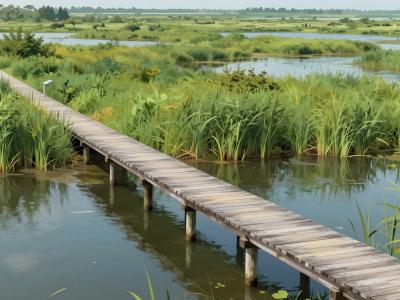
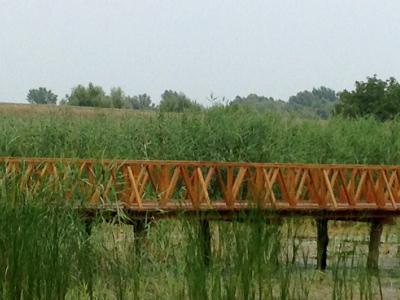
Veliki Sakadaš Pier
Wooden pier overlooking Europe's largest wetland
Coastal & Maritime · Harbors
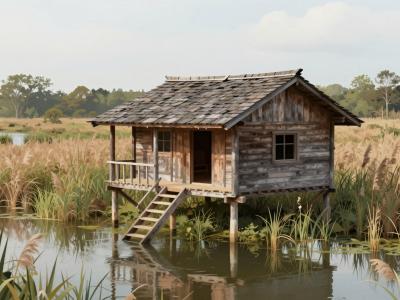
'Stanovi' Traditional Wooden Houses
Traditional wooden houses reflecting regional heritage
Cultural Experiences · History & Heritage
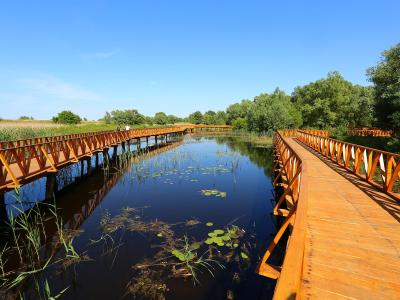
Bio-ecological Station
Europe’s largest alluvial wetland and biodiversity hotspot
Activities & Adventure · Natural Wonders
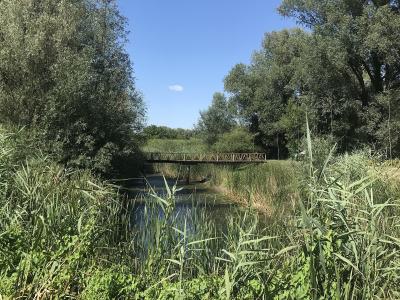
Kopački Rit Nature Park
One of Europe's largest and best-preserved wetlands
Activities & Adventure · Natural Wonders
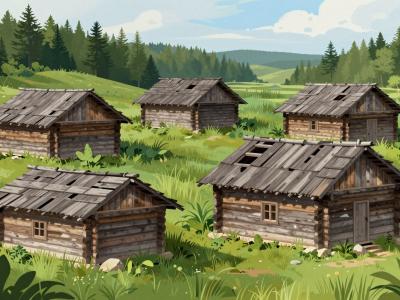
Traditional wooden houses ('stanovi')
Traditional wooden 'stanovi' in Kopački Rit wetlands
Cultural Experiences · History & Heritage
Kopački Rit Nature Park by interest
The same sights, grouped by what you came for.
Planning a visit to Kopački Rit Nature Park
Good to know
- Currency
- EUR
- Language
- Croatian