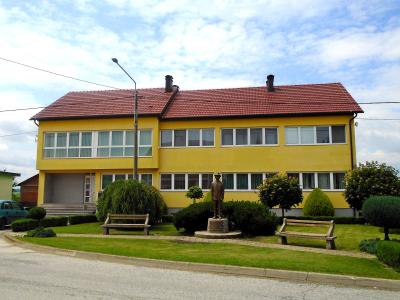
Belica’s history is closely tied to the agricultural development of Međimurje, a region celebrated for its productive soils and busy rural communities. Because the land is flat and the earth deep and loose, farming has always been the main source of income, and generations of families have cultivated crops and kept customs that define the area’s identity. Over time Belica has grown into a dynamic municipality that balances its rural roots with modern amenities and a strong sense of community. The result is a village that feels lived in, with working farms beside new family houses and a main road that is busy at harvest time.
The main attractions are the surroundings and the chance to move slowly through them. The flat terrain and the network of country roads make the area good for cycling, walking and birdwatching. Trails connect Belica with neighbouring villages and the scenic Drava River, offering peaceful routes through fields, meadows and farmland. In spring and summer the landscape is full of wildflowers and the gentle sounds of rural life, which makes it a pleasant setting for picnics and family outings. Storks nest on poles and chimneys in some villages of the region, and herons and buzzards are common over the fields.
Belica is also known for its agricultural events, which celebrate the region’s potato-growing heritage and local cuisine. Visitors can try traditional dishes, homemade bread and pastries at community gatherings and in family-run restaurants. Potatoes appear in many forms, from simple boiled side dishes to dumplings and baked dishes, and farm kitchens often serve them with pork, sour cream and pickled vegetables. In Međimurje no meal is complete without a sweet ending, and the layered gibanica is the best-known dessert.
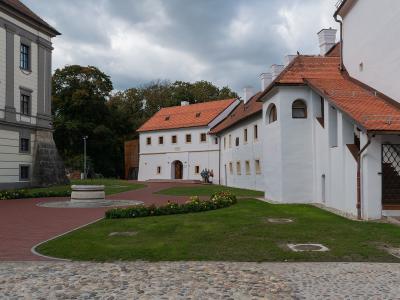
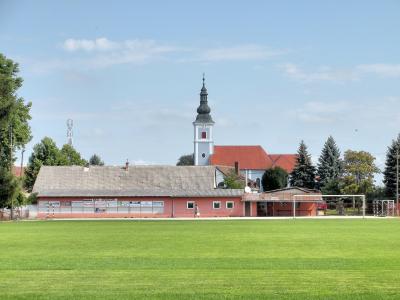
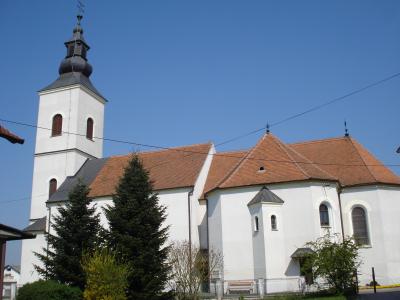
Cultural heritage is an important part of life in Belica. The Church of the Assumption of the Blessed Virgin Mary, local chapels, community centres and traditional houses reflect the area’s history and give a glimpse of everyday life in northern Croatia. Artisans and producers offer handmade crafts, regional wines and homemade delicacies, and visitors who ask around will find that many households make something to sell, from jam to woven baskets.
The village’s proximity to Čakovec provides easy access to historic sites, markets and cultural attractions, and the wider region offers wine routes, spas and recreational areas. A day might start with a ride between the fields, continue with lunch on a farm and end in Čakovec with a walk through its old town and castle. The hills of Međimurje, with their small cellars and tasting rooms, are a short drive to the west.
Getting to Belica is straightforward. The village is easily accessible by road from Čakovec and other regional centers, with public buses serving the area. Having a car or bicycle allows greater flexibility in exploring the region’s attractions. Accommodation options include guesthouses, rural homestays and small hotels in Belica and nearby towns, providing a comfortable base for visitors.
The best time to visit Belica is from early June to mid-September, when the weather is warm and the countryside is at its most vibrant. Spring and early autumn also offer mild temperatures and beautiful scenery, ideal for outdoor activities and enjoying the relaxed pace of village life. Whether you are seeking a peaceful retreat, a taste of rural culture or a base for exploring northern Croatia, Belica provides an authentic and welcoming experience.
Best time to visit
Early June to mid-September offers warm weather, lush scenery, and ideal conditions for cycling, walking, and enjoying local festivals and rural life.
What to see in Belica
Our picks first.
Belica by interest
The same sights, grouped by what you came for.
Planning a visit to Belica
Good to know
- Currency
- EUR
- Language
- Croatian