







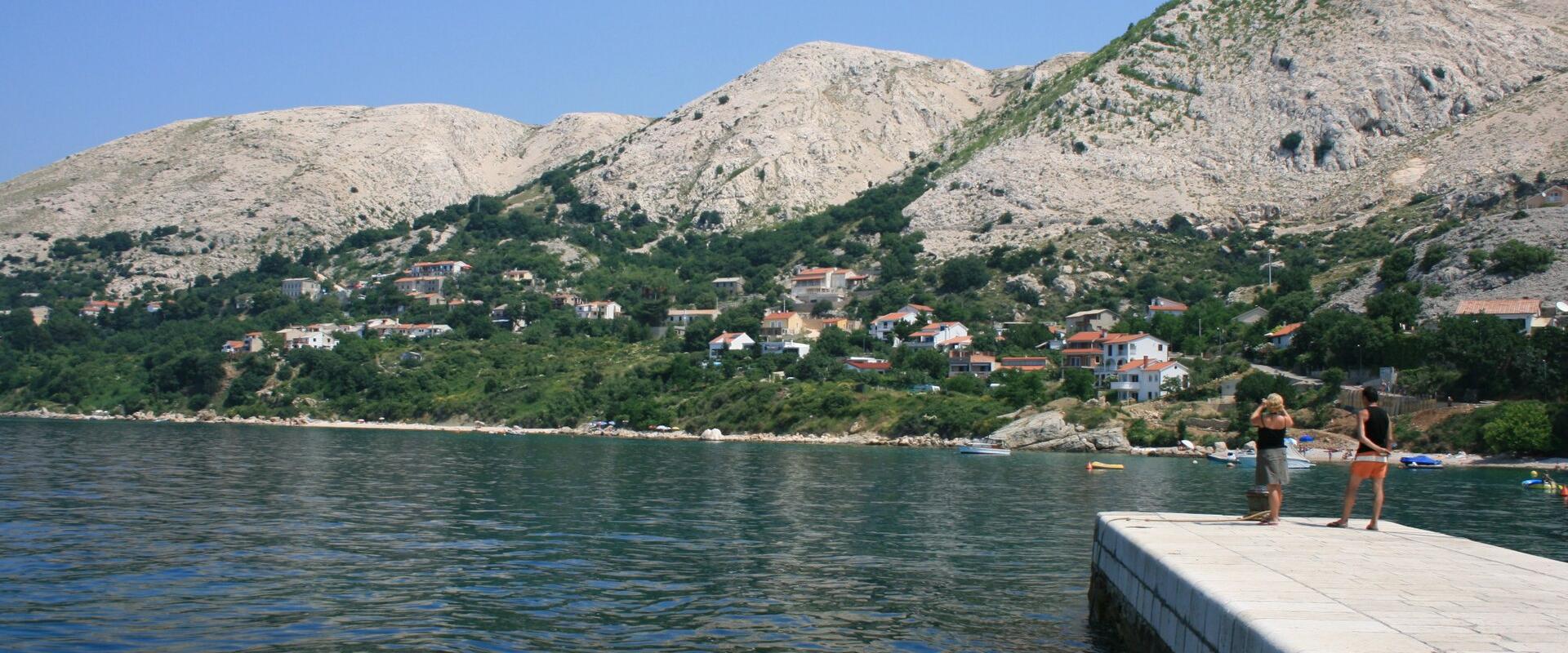
Punat’s history is closely tied to the sea, with its origins as a fishing and shipbuilding port dating back to the 14th century. Over the centuries the village developed as a center for olive oil production, viticulture and maritime trade, shaping its character and traditions. Today Punat is renowned for its modern marina, one of the largest and best-equipped in the Adriatic, which attracts sailors from across Europe and is a hub for yachting, regattas and boat excursions. The Punat shipyard, which has built wooden boats for generations, still repairs and maintains many vessels, and the smell of resin and wood is part of the harbor’s atmosphere.
The center of Punat is its lively harbor and waterfront promenade, the Lungomare Punat, lined with cafes, restaurants and shops. The village’s old town has narrow stone streets, traditional houses and historic churches such as the Parish Church of the Holy Trinity and the Chapel of St. Roch. The nearby ruins of the Chapel of St. Peter give a glimpse of Punat’s medieval past, while the squares and parks provide peaceful places for relaxation and community gatherings. The Mir archaeological site, near the village, preserves the remains of a Roman settlement and offers a look at older layers of the island’s history.
One of Punat’s main attractions is the islet of Košljun, located in the middle of Punat Bay and accessible by a short boat ride. The island is home to a 15th-century Franciscan monastery, which houses a rich collection of religious art, ethnographic objects and a library with rare manuscripts, among them incunabula. Guided tours of the monastery and island offer insight into the region’s spiritual and cultural heritage. The monks also keep a garden and a small museum of natural history with stuffed animals and a herbarium, and the island is a quiet place of cypresses and pines, where only a few friars live. Concerts are sometimes held in the monastery church.
Punat’s coastline is dotted with pebble and sandy beaches, including Punta Debij, Medane and the family-friendly Underwater Park Punat, where visitors can try snorkeling and underwater adventures. The bay’s calm water is good for swimming, paddleboarding and kayaking, while boat trips explore hidden coves, the Blue Cave and nearby islands. Beach bars such as Ulika add a relaxed touch to the shore. Cycling and hiking trails wind through olive groves and vineyards and up to scenic viewpoints overlooking the bay and the Adriatic, and the lanes between the villages of the island’s south make good routes for a day’s ride.
Cultural life in Punat is lively, with festivals, concerts and community events that celebrate local music, cuisine and maritime traditions. The village’s restaurants and konobas serve fresh seafood, lamb, homemade pasta and regional wines, best enjoyed with a view of the sunset over the bay. Krk’s white wine, Žlahtina, and the island’s prosciutto and cheese are typical choices.
Getting to Punat is straightforward. The village is about 20 km from the Krk Bridge, which connects the island to the mainland, and is easily reached by car or bus from Rijeka and other regional centers. Parking is available near the marina and beaches, and the compact village center is best explored on foot. Accommodation options range from hotels and resorts to private apartments and campsites, catering to all budgets and preferences.
The best time to visit Punat is from April through August, when the weather is warm, the sea is inviting and the marina, beaches and festivals are in full swing. Spring and early autumn offer mild temperatures, fewer crowds and beautiful scenery, suited to sailing, swimming and exploring the island. Whether you seek relaxation, adventure or a taste of island life, Punat offers a memorable and authentic Croatian stay.
Best time to visit
April through August offers warm weather, inviting sea, and lively marina; spring and early autumn are ideal for sailing, swimming, and exploring Krk Island.
What to see in Punat
Our picks first.
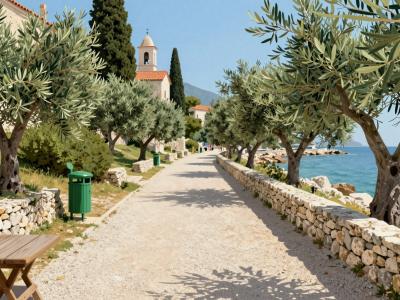
Punat Waterfront Promenade (Lungomare Punat)
Longest promenade on Krk Island with coastal views
Coastal & Maritime · Promenades
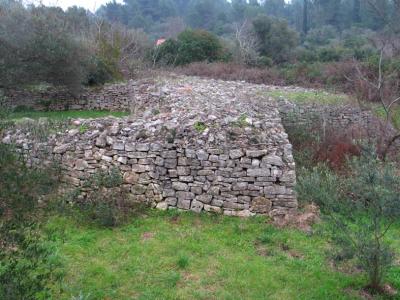
Mir Site (Archaeological Site)
Ancient archaeological site near Punat harbor
Cultural Experiences · History & Heritage
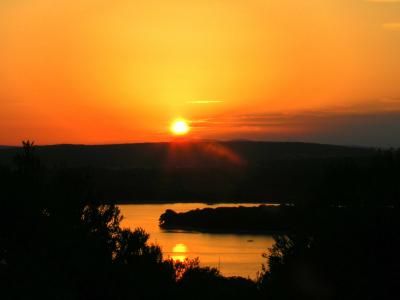
Beach Medane
Sandy-pebble beach with olive trees and sea views
Free Coastal & Maritime · Beaches
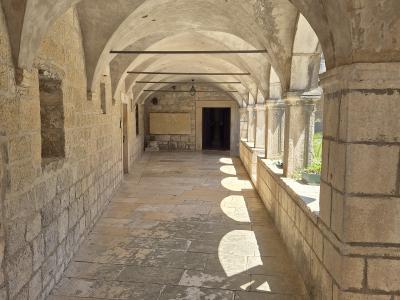
Islet of Košljun (Otok Košljun)
Franciscan monastery island with rare museum collections
Coastal & Maritime · Cultural Experiences
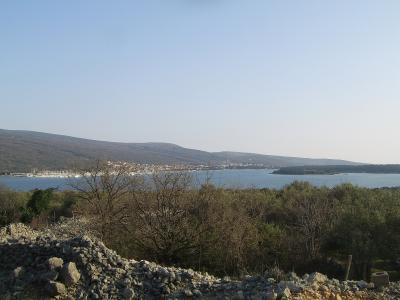
Punat Marina (Marina Punat)
Marina with Blue Flag, eco-friendly and island access
Activities & Adventure · Coastal & Maritime
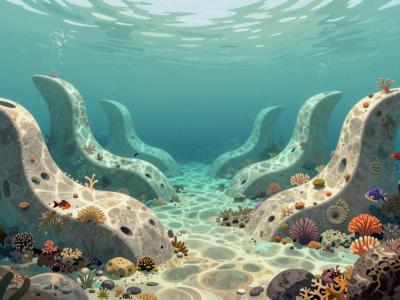
Underwater park Punat
Underwater sea walking experience on Krk Island
Activities & Adventure · Coastal & Maritime
Punat by interest
The same sights, grouped by what you came for.
Did you know?
Checked facts about Punat, each with its source.
-
Legend
Punat May Be Named After a Roman Bridge
According to local legend, the name Punat derives from the Roman word 'pons' (bridge), referencing a Roman bridge that once connected the south side of a narrow passage to Punat Cove.
Source: Krk Outdoor
Planning a visit to Punat
Good to know
- Currency
- EUR
- Language
- Croatian
Quick Facts
Book your stay
Questions people ask
More places in Kvarner
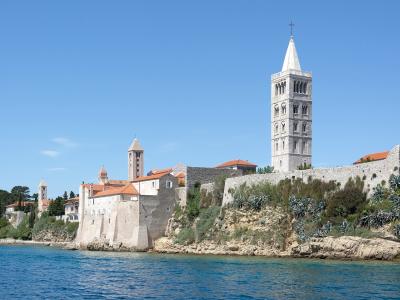
Kvarner
Rab Island
Sandy beaches, medieval towers, and vibrant island life
Kvarner
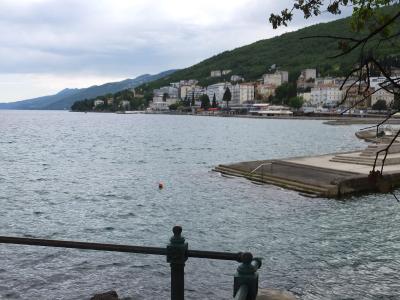
Opatija
Elegant Adriatic resort with historic villas and seaside promenades
Kvarner
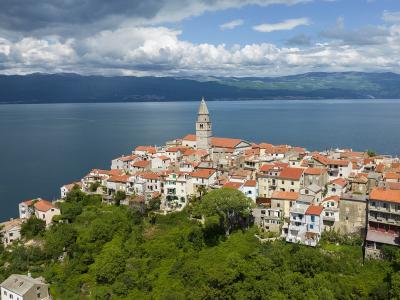
Cres Island
Wildlife-rich Adriatic island with ancient hilltop towns
Kvarner
Krk
Largest Croatian island connected to mainland by bridge