Silba
Car-free island in the Zadar archipelago
History
Silba’s history is deeply intertwined with its isolation and maritime heritage. Located in the Zadar archipelago, the island has long served as a refuge for those seeking peace away from the political turbulence of the mainland. While specific ancient ruins are less prominent than on larger islands, the island’s layout and architecture reflect centuries of adaptation to its environment. The settlement developed around the island’s narrowest point, a strategic location that facilitated defense and trade in earlier centuries. The community has preserved its traditional way of life, largely due to the strict preservation of its car-free status, which dates back decades. This commitment to maintaining the island’s original character has allowed Silba to retain a sense of timelessness, where generations have lived in harmony with the natural landscape. The island’s population, though small, has a strong sense of identity rooted in fishing, agriculture, and the stewardship of its dense forests.
Main Attractions
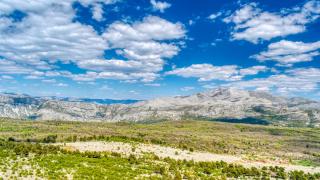
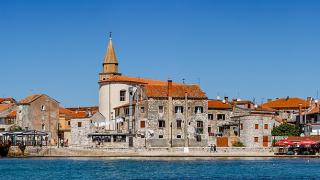
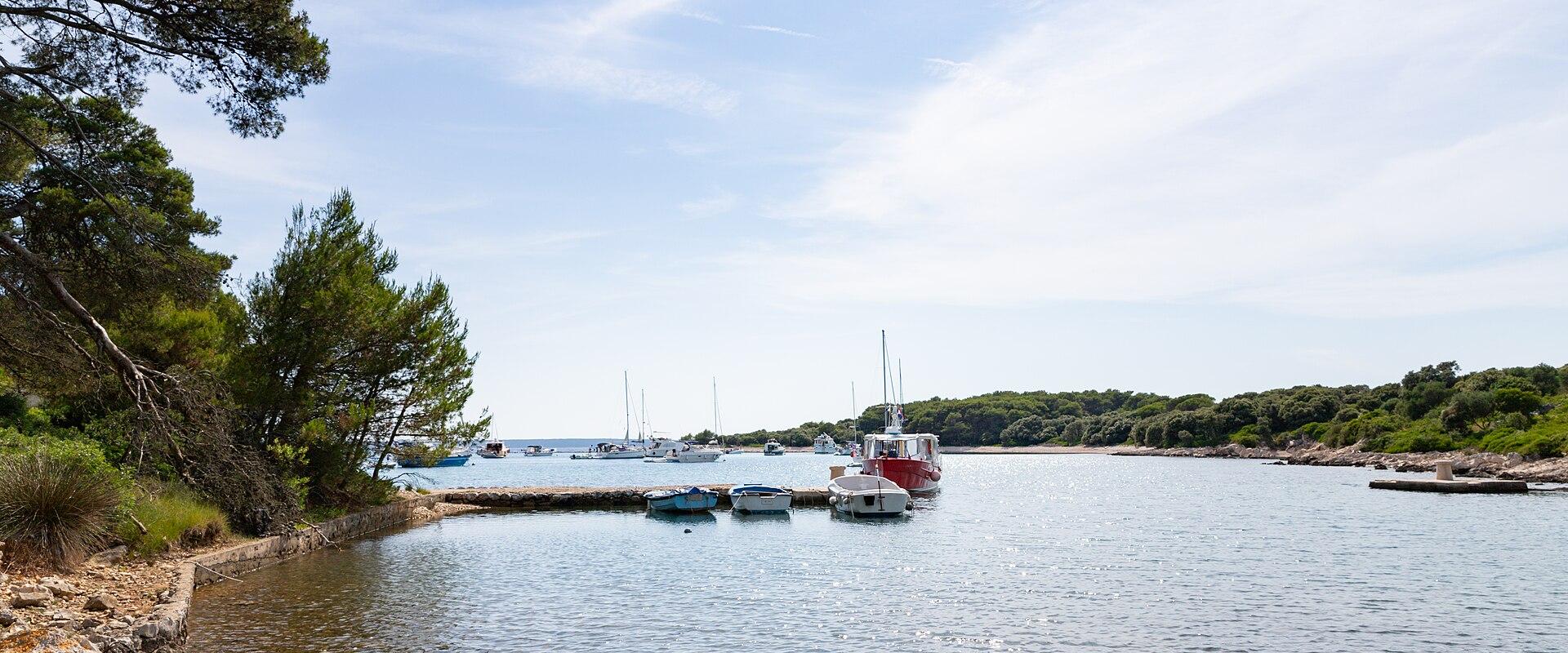
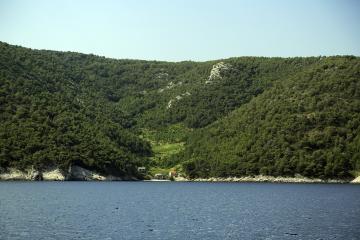
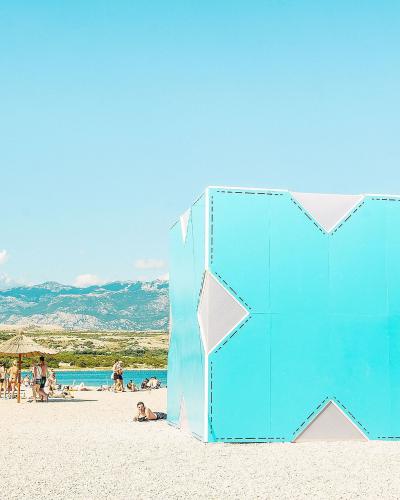
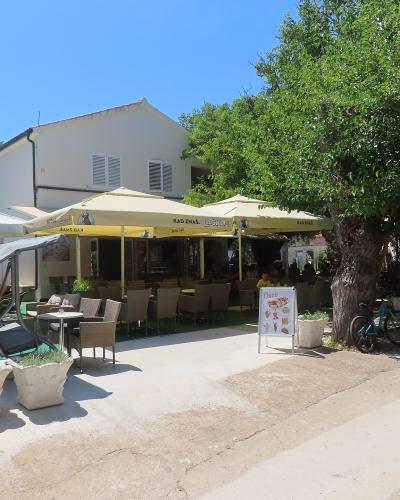
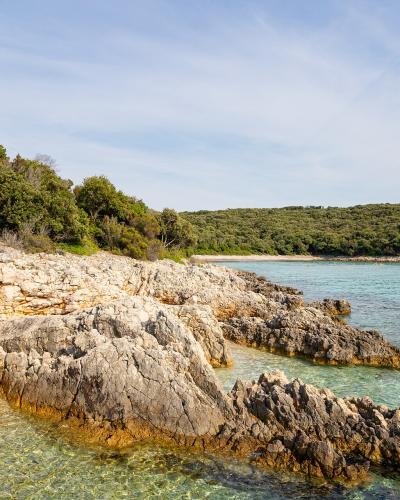
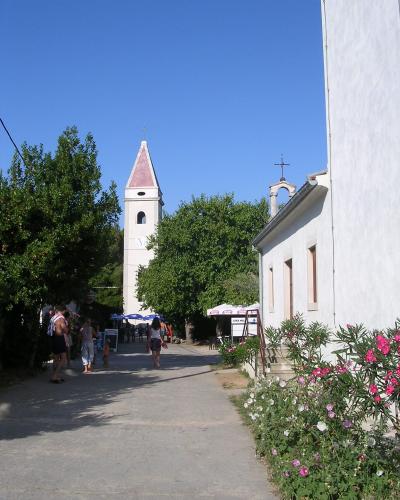
The primary attraction of Silba is its unique environment: a car-free island where silence is the dominant feature. The absence of motorized vehicles creates a sanctuary for nature and relaxation. The island is visually striking, resembling an eight when viewed from above, with the main village nestled in the center. Visitors are drawn to the pristine beaches, which range from pebble to sandy shores, surrounded by crystal-clear waters ideal for swimming. The dense pine forests cover much of the island, offering shaded walking paths and a cool respite from the summer sun. These forests are not just scenic; they are home to rich flora and fauna, making the island a haven for nature lovers. The village itself features traditional stone houses and narrow streets, reflecting the architectural heritage of the Dalmatian coast. There are no grand monuments or bustling squares; instead, the beauty lies in the simplicity and tranquility of the surroundings.
Activities
Silba is best experienced through slow, mindful activities. Walking and hiking are the primary ways to explore the island, with numerous trails winding through the forests and along the coastline. These paths offer opportunities to spot local wildlife and enjoy panoramic views of the Adriatic. Swimming and snorkeling are popular in the clear waters around the island’s bays. The car-free nature of the island makes it ideal for cycling, though the terrain can be hilly in parts. Many visitors use this time to disconnect from digital devices and reconnect with nature. The island also attracts artists and musicians who find inspiration in its serene atmosphere. Cultural activities are subtle, often centered around local festivals or informal gatherings in the village. The focus is on relaxation, with activities like sunbathing, reading, and enjoying the company of locals. The pace of life encourages visitors to linger, savoring the quiet moments and the beauty of the natural world.
Getting There
Access to Silba is exclusively by ferry, as there are no airports or bridges. The main route is from Zadar, operated by Jadrolinija. The ferry journey from Zadar takes approximately four hours, offering a scenic passage through the archipelago. There is also a connection from Mali Lošinj, which takes about two and a half hours. Ferries run daily, but schedules can vary by season, so it is advisable to check in advance. For those already on nearby islands like Ilovik, Unije, or Susak, shorter ferry connections are available, making it easy to include Silba in a multi-island itinerary. Upon arrival, visitors are greeted by the absence of traffic, with luggage transported by tractor or scooter. The journey itself is part of the experience, providing a gradual transition from the busy mainland to the peaceful island.
Best Time to Visit
The best time to visit Silba is during the late spring and early autumn months, from May to June and September to October. During these periods, the weather is warm and pleasant, ideal for swimming and outdoor activities, without the intense heat and crowds of peak summer. July and August are also popular, but the island can become busier, and accommodation may fill up quickly. Winter months are quiet, with many services reduced or closed, making it suitable only for those seeking extreme solitude. The shoulder seasons offer the best balance of good weather, accessibility, and tranquility, allowing visitors to fully appreciate the island’s natural beauty and peaceful atmosphere.
Best Time to Visit
May through September for warm, sunny weather ideal for swimming and outdoor activities.
Plan Your Visit to Silba
Essential travel tips and information for your trip to Silba.
Suggested Itineraries
Travel Tips
Currency
EUR • Cards widely accepted
Language
Croatian • English in tourist areas
WiFi
Free WiFi in cafes and hotels
Explore Silba by Interest
Discover attractions and experiences in Silba organized by your interests and travel preferences.

All attractions in Silba
Sorted by our recommendation score
Quick Facts
Book your stay
Frequently Asked Questions
More destinations in Dalmatia
Explore other amazing places in the Dalmatia region