







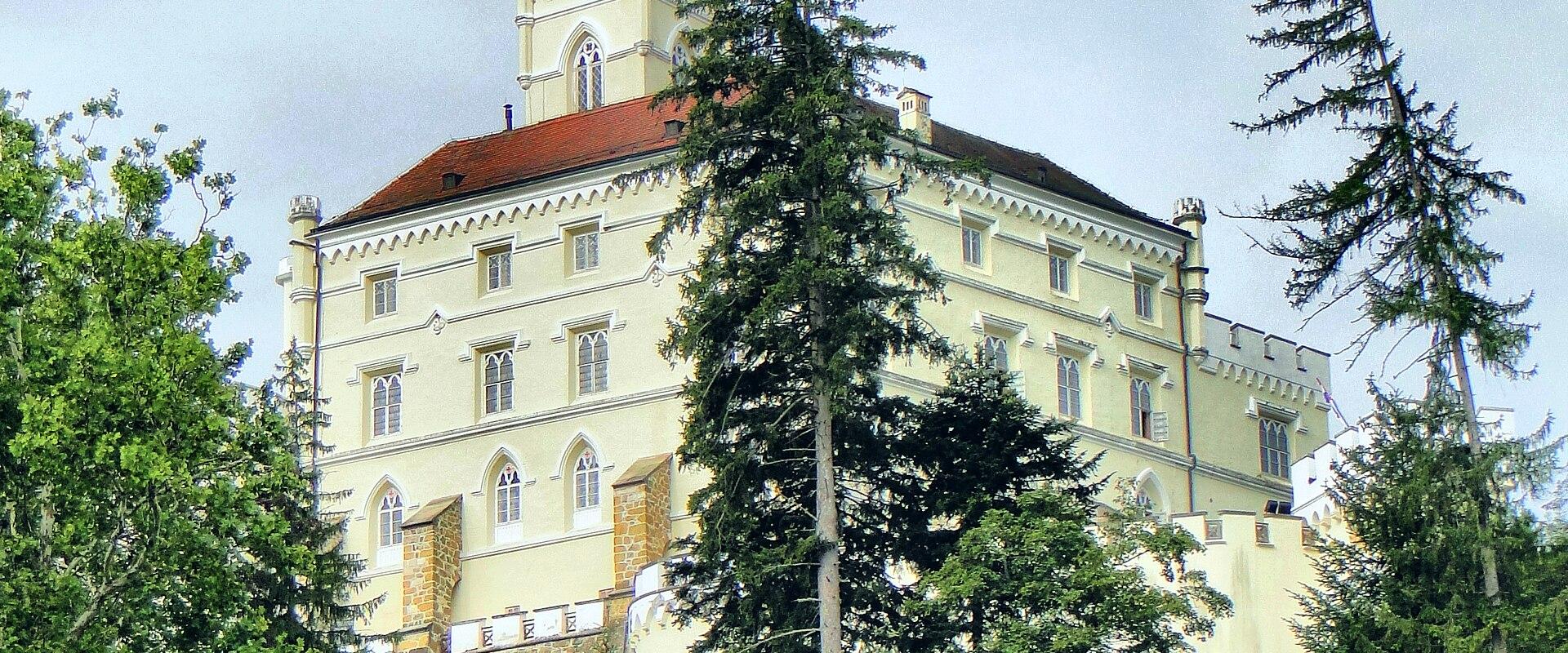
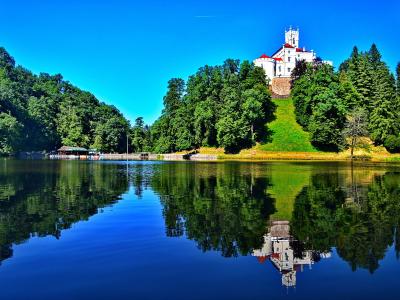
Trakošćan, set in the verdant hills of Croatia’s Zagorje region, is a place where history and nature intertwine to create a memorable visit. The village is best known for Trakošćan Castle, a fairytale-like fortress that rises above a shimmering lake and dense forests, drawing visitors from across Croatia and beyond. The setting is so harmonious that it can seem designed, and indeed it was: the lake and park were laid out by the owners in the 19th century to frame the castle.
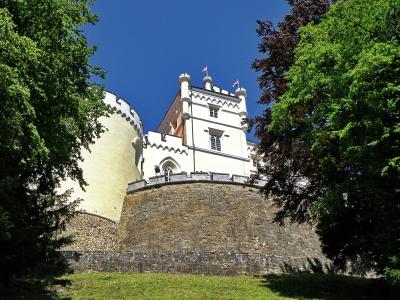
The history of Trakošćan Castle stretches back to the 13th century, when it was built as part of a defensive network along the Croatian-Hungarian border. Over the centuries the castle changed hands among noble families, most notably the Drašković family, who acquired it in 1584 and transformed it into a romantic residence in the 19th century. Count Juraj Drašković, a patron of the national revival, rebuilt the castle in the Romantic style in the 1850s and made it a meeting place for writers and politicians. The castle’s architecture reflects a blend of medieval, Renaissance and Romantic styles, with pointed turrets, a drawbridge and ornate interiors. Today the castle is a museum, showing period furniture, historical weapons, portraits and artifacts that give a glimpse of aristocratic life in bygone eras. The armory, with swords, guns and suits of armor, is among the largest in the country, and the family portraits recall the owners.
The castle grounds are equally captivating. A landscaped park surrounds the fortress, with walking paths shaded by ancient trees and wide views of the castle and lake. The artificial Lake Trakošćan, created in the 19th century, adds to the site’s charm and provides chances for boating, fishing and photography. The lake is encircled by a scenic trail of a few kilometers, good for leisurely strolls or longer walks, and rowing boats and pedal boats can be rented. In spring and summer the area bursts into color with blooming wildflowers, while autumn brings a rich palette of golden foliage. The Trakošćan Castle Park and Gardens are especially lovely early in the morning, when the water is still and swans cross the lake.
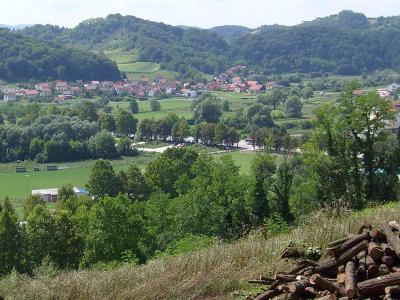
Beyond the castle, Trakošćan village and the wider Zagorje region offer a wealth of attractions. Nearby, visitors can explore the Krapina Neanderthal Museum, dedicated to the region’s prehistoric heritage, or relax in the thermal spas of Krapinske Toplice. The surrounding countryside is dotted with vineyards, traditional farmhouses and other historic castles, which makes Trakošćan a good base for exploring northern Croatia’s cultural and natural riches. Veliki Tabor, Varaždin and the Ivanščica mountain are all within an hour’s drive.
Activities in Trakošćan cater to a range of interests. History lovers will enjoy guided tours of the castle and its museum, while nature lovers can hike, cycle or picnic in the parklands. The lake is popular for rowboat rentals and fishing, and the tranquil setting is good for birdwatching or simply unwinding in nature. The village also hosts occasional cultural events, such as concerts and medieval festivals, which bring the castle’s past to life, with costumed knights, archers and market stalls.
Getting to Trakošćan is straightforward. The village is located about 80 kilometers north of Zagreb and is easily accessible by car via the A2 motorway and local roads. Public transport options include regional buses to nearby towns, but having a car offers greater flexibility for exploring the area. Ample parking is available near the castle entrance, and a short walk leads to the gate.
The best time to visit Trakošćan is during late spring, from May to June, and early autumn, from September to October, when the weather is mild and the natural surroundings are at their most beautiful. Spring brings blooming flowers and comfortable temperatures good for outdoor activities, while autumn offers vibrant foliage and fewer crowds. Summer is also popular, though it can be busier, especially on weekends. Winter visits are quieter, with the castle and park taking on a serene, almost mystical atmosphere.
Whether you are drawn by history, nature or the romance of a fairytale castle, Trakošćan offers a memorable journey into Croatia’s rich cultural and natural heritage.
Best time to visit
Late spring and early autumn offer mild weather, blooming landscapes, and fewer crowds—ideal for exploring the castle, lake, and parklands.
What to see in Trakošćan
Our picks first.
Trakošćan by interest
The same sights, grouped by what you came for.
Did you know?
Checked facts about Trakošćan, each with its source.
-
History
The Drašković family held Trakošćan Castle until 1945
Trakošćan Castle's oldest layers are thought to date to the 13th century, when it was a small fort. The Drašković family acquired it in the second half of the 16th century and kept it until 1945; a mid-19th-century historicist rebuild turned the fortress into the residence and landscaped park seen today.
Source: Dvor Trakošćan museum
Planning a visit to Trakošćan
Good to know
- Currency
- EUR
- Language
- Croatian
Quick Facts
Book your stay
Questions people ask
More places in Zagorje
Zagorje
Krapinske Toplice
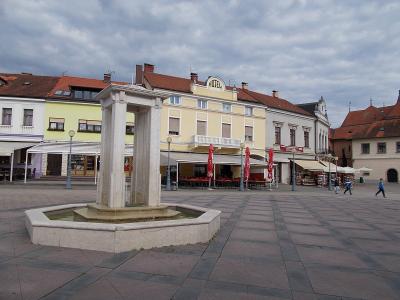
Zagorje spa village with thermal springs and wellness resorts
Zagorje
Marija Bistrica
Croatia’s largest Marian shrine in scenic Zagorje hills

Zagorje
Krapina
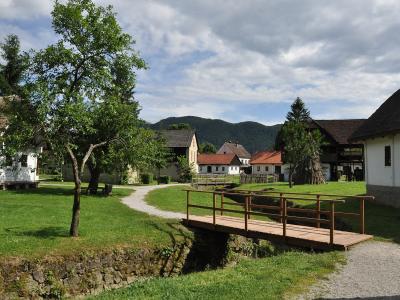
Neanderthal discovery town with museums and Zagorje hills
Zagorje
Kumrovec
Birthplace of Josip Broz Tito and rich culture