







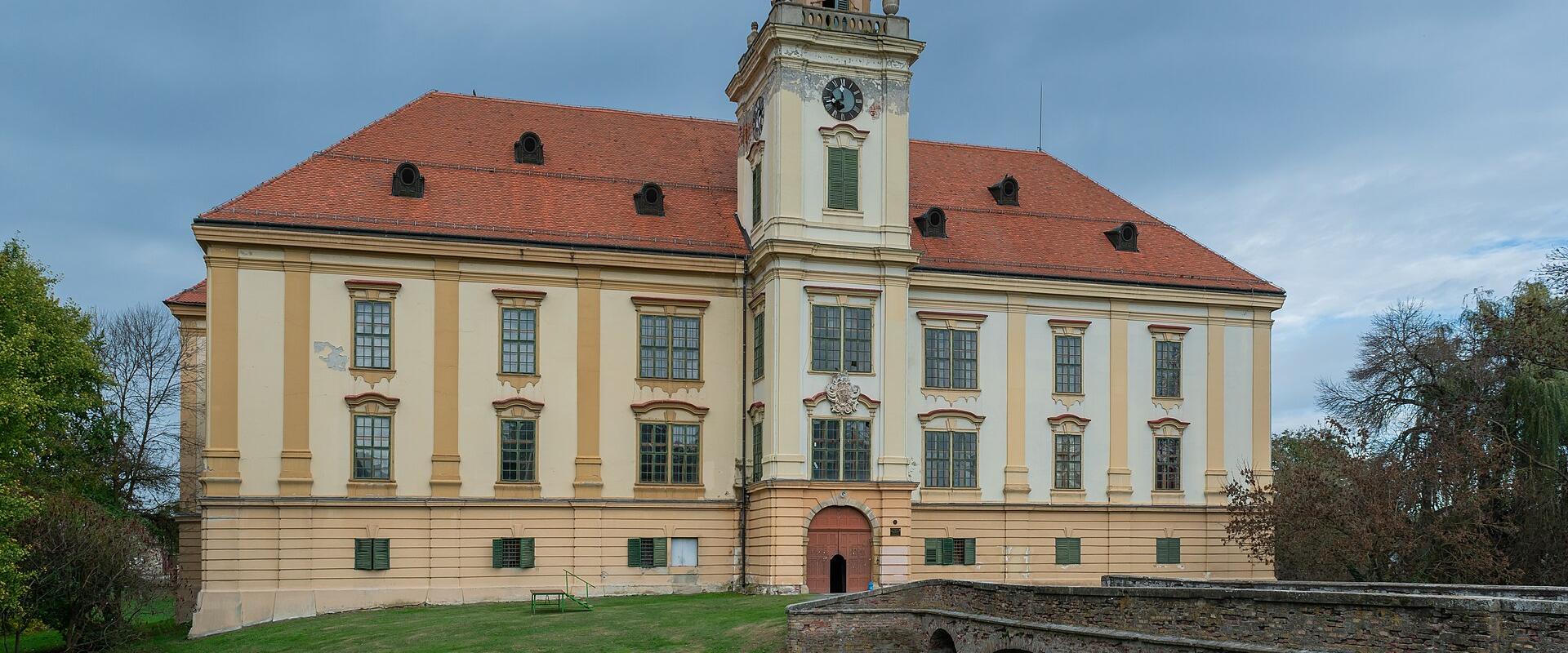
Valpovo has medieval roots, but its present character was formed in the Baroque era, when the noble Prandau family and later the Normann line shaped the estate. The Prandau-Normann Castle, also known as Valpovo Castle or Dvorac Prandau-Normann, is the centrepiece of that history. It began as a fortified building and was rebuilt over the centuries into a grand residence with towers, courtyards and a moat-like setting, then enclosed by a landscaped park. Today a museum inside the castle displays exhibits on local history, art and the way the region's aristocracy lived. A visit combines a look at the interiors with a stroll through the grounds, which hold large old trees and quiet benches. It is easy to spend a morning here, and the setting makes good photographs in any weather.
The streets around the castle contain more places that repay a short walk. The Church of St. Peter and Paul and the Church of St. Roch will interest anyone who enjoys sacred architecture and local religious art. Parks and promenades link the churches with the town centre, and the squares serve as gathering places for markets, concerts and community celebrations. Even a small town like this keeps a busy calendar, and the warm months are filled with fairs, music evenings and cultural events that draw people from the surrounding villages.
Outside the centre, the countryside is flat, open and easy to explore. The Drava River and its floodplain offer fishing, boating and riverside walks, and cycling is straightforward on level roads and field tracks that pass through meadows and small woods. A few viewpoints along the edges of the forest give wider views over the plain. The Adventure Zone in Valpovo is a good stop for visitors who want rope courses and other outdoor activities, and it is especially popular with school groups and families. Neighbouring Belišće, a short drive away, makes an easy second stop on a day of exploring the area.
Food in Valpovo follows Slavonian habits, and the countryside around it is part of Slavonia in everything from farming to cooking. Restaurants and village kitchens serve generous portions of stews, grilled meat, smoked sausages, freshwater fish and homemade bread, followed by cakes and strudels. Local artisans and producers sell handicrafts, honey and preserves, which make useful souvenirs and are easy to find at markets. Meals are usually unhurried and often end with a glass of regional wine or rakija.
Getting to Valpovo takes little effort. The town lies on regional roads from Osijek and other Slavonian centres, and there are regular buses along the same routes. Parking is available close to the castle and the town centre, so a car is not needed once you arrive. Guesthouses, small hotels and rural lodgings provide a base for a night or two, though many visitors prefer to stay in Osijek and arrive for the day.
May to September is the main season, when the park is green, the riverbanks are lush and festivals are under way. Spring and early autumn are milder and quieter, which suits a slow walk around the castle grounds and a day of cycling. History lovers, families and travellers who enjoy nature will all find enough here for a relaxed visit, and the town combines comfortably with Osijek, Kopački Rit and the rest of eastern Croatia, a good example of Croatian provincial history.
Best time to visit
May to September offers warm weather, lush parks, and ideal conditions for sightseeing, festivals, and enjoying the Drava River and outdoor activities.
What to see in Valpovo
Our picks first.
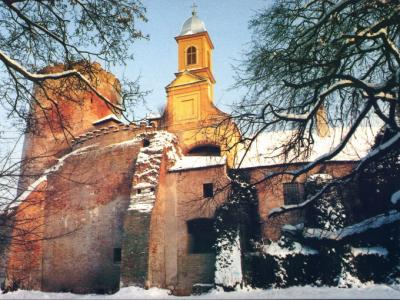
Valpovo Castle (Dvorac Prandau-Normann)
Baroque-Gothic castle with historic museum
Cultural Experiences · History & Heritage
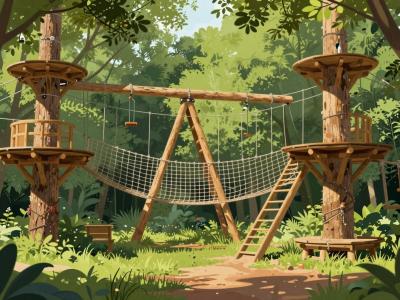
Adventure Zone
Quad biking adventures along the Drava River
Activities & Adventure · Adventure Parks
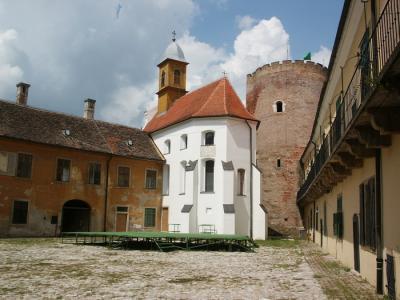
Prandau-Normann Castle
15th-century castle blending Gothic and Baroque styles
History & Heritage · Castles
Valpovo by interest
The same sights, grouped by what you came for.
Did you know?
Checked facts about Valpovo, each with its source.
-
Notable Person
Osijek's leading Art Nouveau architect died in Valpovo
Viktor Axmann (Vladoje Aksmanović), the foremost Secession architect of Osijek and designer of its Urania cinema (1912), died in Valpovo on 3 March 1946.
Source: Hrvatski biografski leksikon (Miroslav Krleža Institute)
Planning a visit to Valpovo
Good to know
- Currency
- EUR
- Language
- Croatian
Quick Facts
Book your stay
Questions people ask
More places in Slavonia
Slavonia
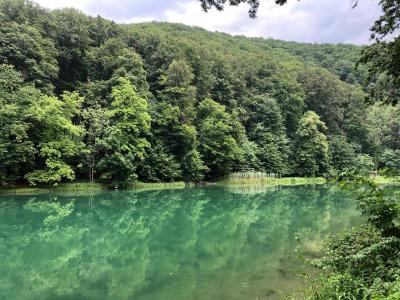
Papuk Nature Park
UNESCO Geopark with forests, waterfalls, and medieval ruins
Slavonia
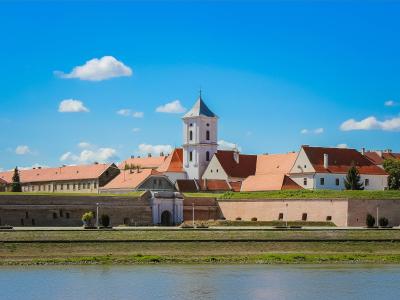
Osijek
Slavonia’s river city with baroque fortress and vibrant culture
Slavonia
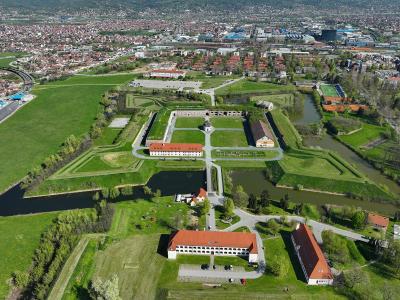
Slavonski Brod
Sava riverside city with fortress, parks, and vibrant culture
Slavonia
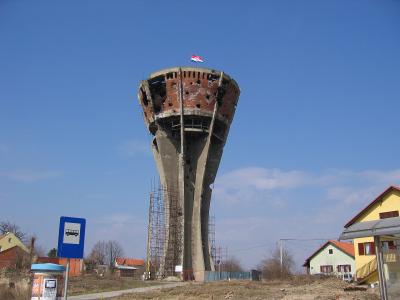
Vukovar
Hero City on the Danube with memorials and museums