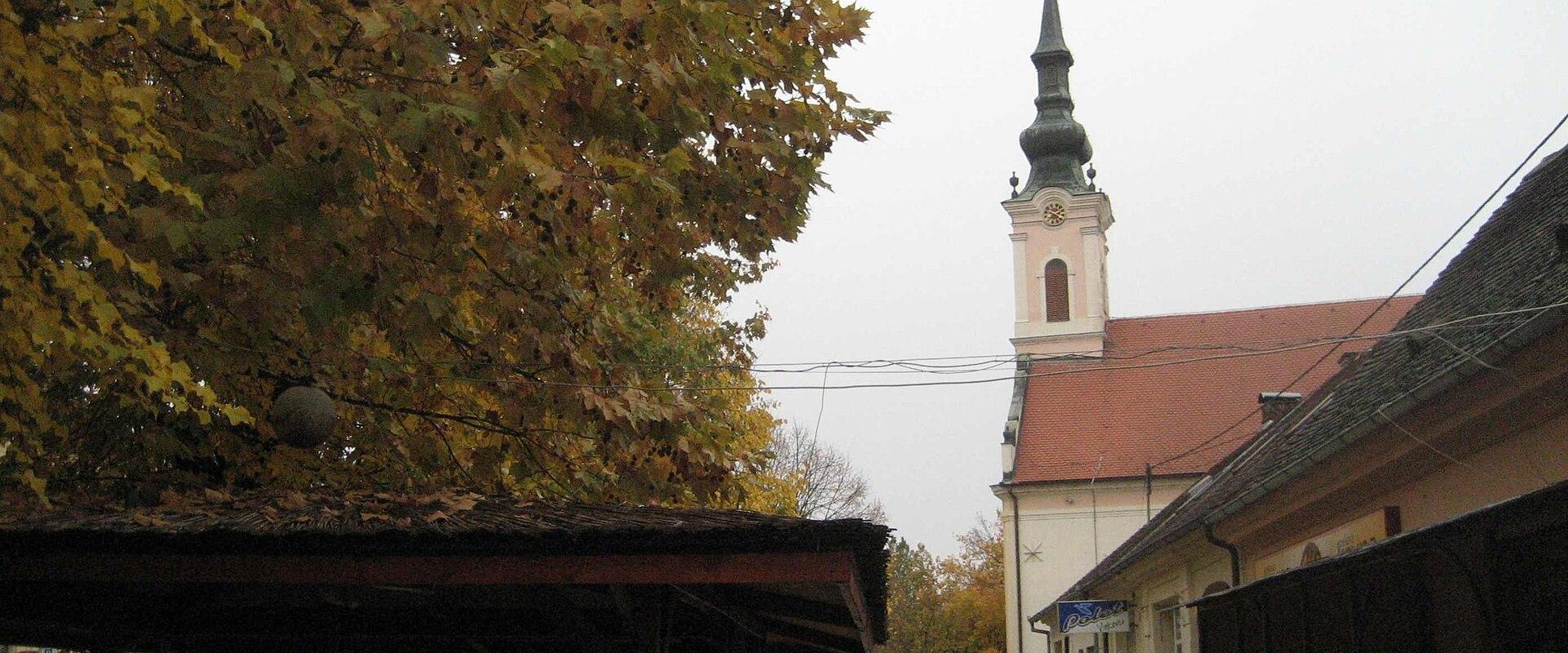
Županja
Sava riverside town with folk heritage and historic sites
Županja’s history is closely tied to its strategic location on the Sava River, which has long served as a vital trade and transport route between Central Europe and the Balkans. The town developed as a regional center for agriculture, crafts and commerce, with its fortunes rising during the Austro-Hungarian era, when the sugar industry and river trade flourished. Over the centuries Županja became a melting pot of cultures, with influences from Croatian, Hungarian and Serbian communities shaping its traditions and architecture. The Sava has also brought hardship: floods have repeatedly threatened the town, and in 2014 the river caused serious damage in villages nearby, which has made flood defense a part of local life. The Sava marks the border with Bosnia and Herzegovina, and the bridge to Orašje is a busy crossing.
One of the town’s main attractions is the Stjepan Gruber Homeland Museum, Zavičajni Muzej Stjepan Gruber, which shows the history, ethnography and daily life of the region. It is named after Stjepan Gruber, an 18th-century Jesuit engineer born in Županja, who is remembered for his work on rivers and canals. The museum’s exhibits include traditional costumes, agricultural tools and artifacts that tell the story of Županja’s development and the customs of the Šokci people. The Franjo Juraj Trsanj Memorial Center is another place that offers an introduction to a local figure, and the Traditional Craft Workshop shows the artisanal heritage of Slavonia, with weaving, embroidery and woodwork demonstrations. The annual Šokačko Sijelo festival is a highlight of the cultural calendar, drawing visitors from across Croatia and beyond to enjoy folk music, dance performances and colorful parades that bring the town’s heritage to life. Sijelo means an evening gathering, in which villagers once sang, danced and worked together.
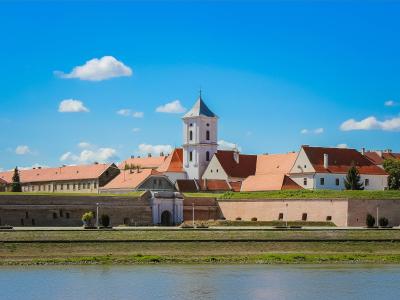
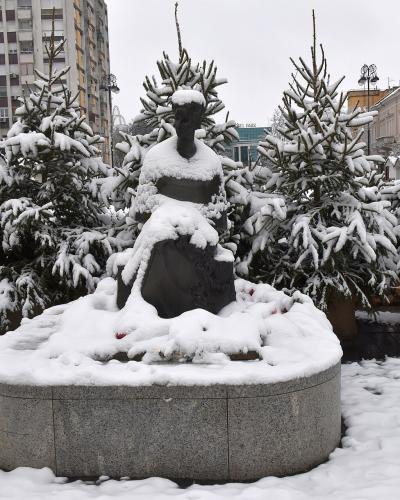
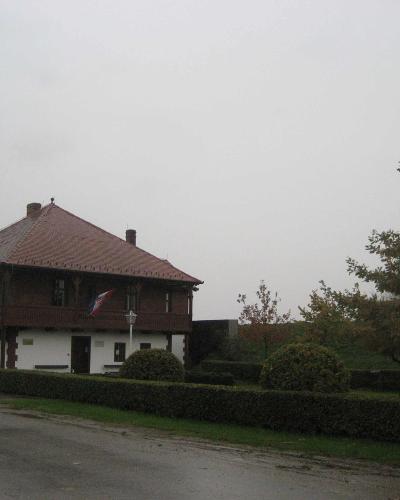
Županja’s riverside promenade is a favorite spot for locals and visitors alike, offering scenic views of the Sava and chances for walking, cycling and relaxation. The promenade connects key landmarks, including the main square, historic churches and the old sugar factory, a reminder of the town’s industrial past. Ivana Brlić-Mažuranić Square, named after the beloved children’s writer, is a central public space, and the Church of the Martyrdom of St. John the Baptist is a notable religious building. The castle known as Županja Castle, or Kraljevac, is a lesser-known landmark with a quiet history. The Žetvene svečanosti, the Harvest Festival, and local markets give further chances to experience Slavonian gastronomy, with specialties such as kulen sausage, freshwater fish and homemade pastries available from local vendors.
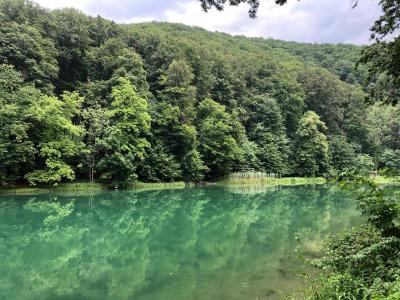
Outdoor enthusiasts will appreciate the town’s proximity to natural attractions, including the Sava River’s floodplains, forests and birdwatching areas. Cycling routes and walking trails extend into the surrounding countryside, while fishing and boating are popular activities on the river. The town’s parks and green spaces offer peaceful retreats, especially in spring and summer when the landscape is lush and vibrant. Storks nest in the villages, and the floodplain forests are home to deer, wild boar and many birds.
Because the area is flat, outings are easy and unhurried. A good plan for a day includes the museum in the morning, a walk along the Sava at midday and a long meal of fish stew in the evening. The warmth of the people and the strength of local customs are the main reasons to visit.
Getting to Županja is convenient, as the town is well connected by road and rail. Regular buses and trains link Županja with major cities such as Vinkovci, Osijek and Zagreb. Accommodation options include hotels, guesthouses and private apartments, catering to a range of preferences and budgets.
The best time to visit Županja is from late May to late September, when the weather is warm and the town’s festivals and outdoor activities are in full swing. Spring and early autumn also offer pleasant temperatures and fewer crowds, which makes them good for sightseeing and enjoying the local culture. Whether you are interested in history, folk traditions or the beauty of the Sava River, Županja offers an authentic and memorable Slavonian stay.
Best Time to Visit
Late May to late September offers warm weather, vibrant festivals, and ideal conditions for sightseeing, riverside walks, and outdoor activities.
Did you know?
Interesting, verified facts about Županja
Županja Is Shaped by a River
HistoryThe town is famous for its Šokačko Sijelo festival, which celebrates the customs, music, and dances of the Šokci people, as well as its well-preserved museums and riverside promenades.
Source: ŠokciPlan Your Visit to Županja
Essential travel tips and information for your trip to Županja.
Suggested Itineraries
One Day in Županja
1 dayPerfect for a quick visit. See the main highlights and get a taste of local culture.
Extended Županja Experience
2-3 daysComprehensive exploration including nearby attractions and cultural experiences.
Travel Tips
Currency
EUR • Cards widely accepted
Language
Croatian • English in tourist areas
WiFi
Free WiFi in cafes and hotels
Explore Županja by Interest
Discover attractions and experiences in Županja organized by your interests and travel preferences.



All attractions in Županja
Sorted by our recommendation score

Quick Facts
Book your stay
Frequently Asked Questions
More destinations in Slavonia
Explore other amazing places in the Slavonia region