







- Where
- Pula, Istria
- Directions
- Directions
The Arch of Sergii is a Roman triumphal arch in the centre of Pula, the largest city on the Istrian peninsula, in Croatia, and one of the best-preserved monuments of antiquity in the country. It stands at the start of the main pedestrian street, a short walk from the Forum and the Temple of Augustus, and it is the natural point to begin a tour of the Roman city.
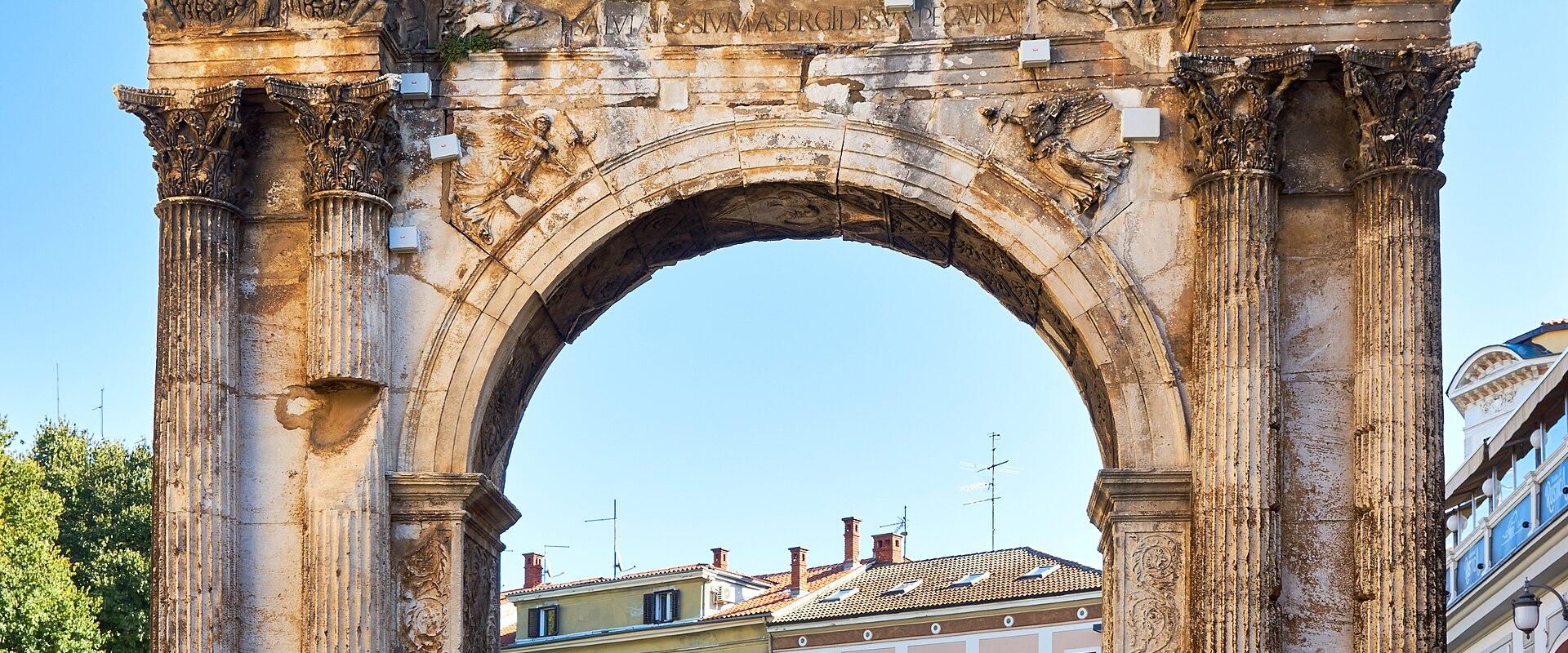
The arch was built in the closing years of the first century BC, when Rome’s power was transformed, between 29 and 27 BC according to the usual dating, at the time when Augustus was establishing the Roman Empire. It honours Lucius Sergius Lepidus, a military tribune of the Twenty-ninth legion, who is thought to have fought at the Battle of Actium, the great naval victory of Octavian over Antony and Cleopatra in 31 BC. Unusually, it is not a monument raised by the state or the city but a private one, paid for by Salvia Postuma Sergia from her own money, in memory of members of her family. The Latin inscriptions on the arch record this, and they can still be read, with the names of the three Sergii carved in the stone, a rare and touching detail for a monument of this kind in Pula’s Roman heritage.
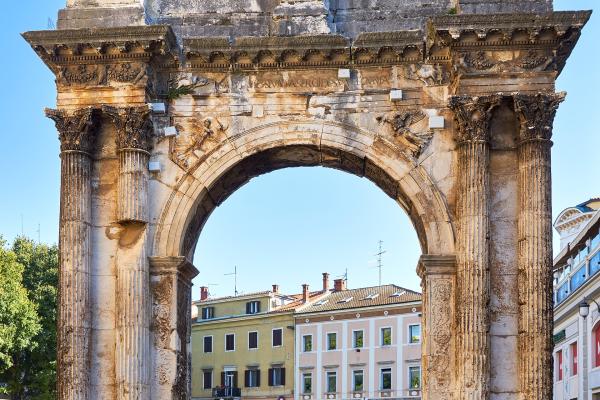
The design is elegant. A single arched passage is framed by pairs of Corinthian columns on high bases, and the surface above is decorated with carved friezes and reliefs. Winged Victories, cupids and figures of war chariots and trophies form part of the decoration, and a battle scene appears on the monument, in keeping with its military theme. The proportions are graceful, and the style belongs to the late Hellenistic tradition, with the clear influence of Greek art at the transition between the Republic and the Empire. The weathered stone has turned a warm golden grey, and the relief details, though worn, reward close inspection.
Originally, the arch was part of the ancient city’s defences, standing on the line of the walls as a gate, and it is sometimes called the Golden Gate. Today it marks the entrance to Sergijeva, the pedestrian street that leads into the core of old Pula, lined with cafés, shops and restaurants. Visitors often stop to read the inscriptions, admire the carving and imagine the processions that once passed beneath it. Nearby, the Twin Gates, the Roman Theatre and the Arena, one of the largest surviving Roman amphitheatres in the world, make Pula a rich destination for anyone interested in ancient Rome. Statues and cafés recall other chapters of the city’s history, including the Irish writer James Joyce, who taught English here in the early twentieth century.
The arch can be seen at any time and costs nothing. It suits history lovers and photographers, and early morning or evening gives the best light. Take care of traffic and crowds, since the street is busy.
Categories
More photos coming soon
Nearby Attractions
Other places to visit in Pula
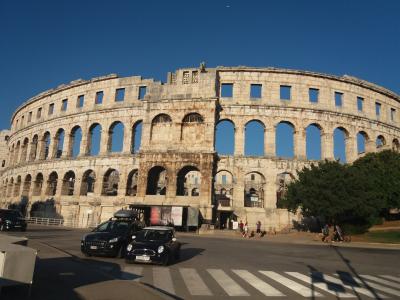
Pula Arena
Roman amphitheater, one of the best-preserved worldwide
History & Heritage · Ancient Sites
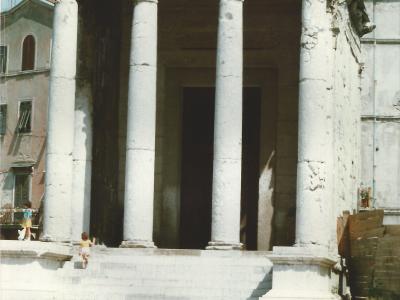
Temple of Augustus
Well-preserved Roman temple dedicated to Augustus
History & Heritage · Ancient Sites
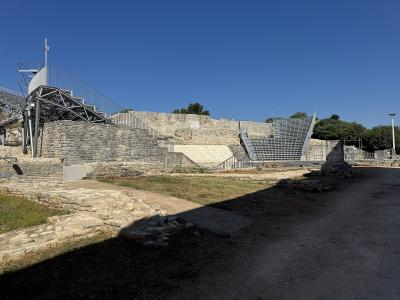
Pula's Roman Theatre
Small Roman theatre ruins in Pula old town
Cultural Experiences · History & Heritage
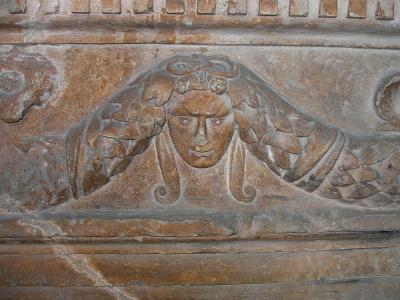
Museum of Olive Oil
Museum of Istrian olive oil history and tasting
Cultural Experiences · Food & Gastronomy
Questions people ask
Quick Facts
Best Time to Visit
May to October offers warm weather, lively festivals, and ideal conditions for sightseeing, beaches, and exploring Pula’s Roman and medieval heritage.