







Museum of Olive Oil
Museum of Istrian olive oil history and tasting
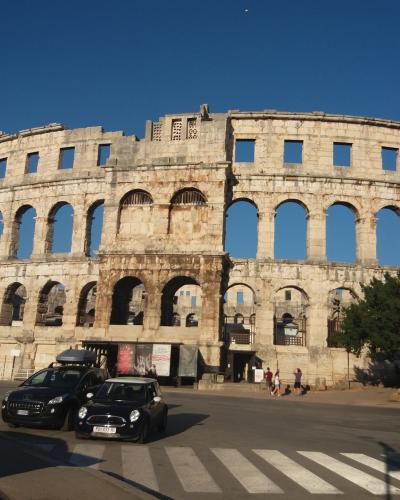
The Museum of Istrian Olive Oil, called Museum Olei Histriae, is a small, specialised museum in Pula, Croatia, devoted to one of the region’s most important products. It stands near the Roman amphitheatre and the Arena, close to the main sights of the old town, and it gives context for the olive groves visitors see across the Istrian countryside.
Olive growing in Istria goes back to antiquity. In Roman times the peninsula was known for its oil, which was produced in country estates and shipped around the Adriatic in clay amphorae, and traces of that trade can be found on archaeological sites along the coast. The tradition faded and revived at various times, and a major recovery has taken place in recent decades, when growers began planting new groves, using modern presses and focusing on quality. Istrian oils now regularly win awards in international guides and are among the best-known in the Adriatic region.
Inside, the museum tells this story through objects, models and displays. Visitors can see traditional tools used for pressing and storing oil, from stone mills and wooden presses to jars and lamps, and learn how methods changed over time. Information panels explain how an olive grove is planted and cared for, when the fruit is harvested, and how the harvest becomes oil, so that you can understand why timing and temperature matter to flavour. Local varieties such as Buža and Istarska bjelica are often mentioned, and the differences between them show how a single region can produce oils with very different tastes.
Guided tastings are usually the highlight. Small samples allow you to compare oils side by side and learn how to judge them: the aroma, the fruitiness, the bitterness and the peppery bite in the throat that signals fresh, high-quality oil. A shop sells local oils and related products, which makes it an easy place to find a gift or to pick up something to take home.
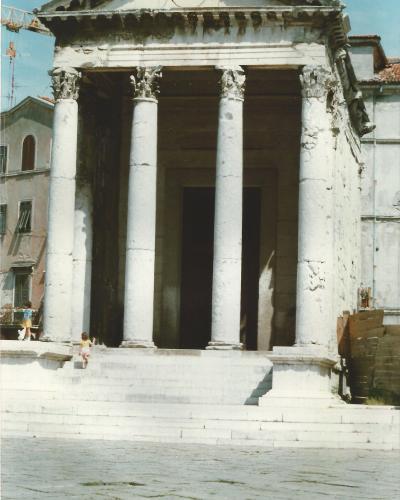
The museum is compact, so a visit takes an hour or so including a tasting, and it fits well alongside the Temple of Augustus, the Forum and the Twin Gates in the old town, all within a short walk. It suits food-lovers, curious families and anyone planning to explore Istria’s inland villages, since it provides a useful background. Check times and tasting arrangements locally before going.
Categories
More photos coming soon
Nearby Attractions
Other places to visit in Pula
Frequently Asked Questions
Quick Facts
Best Time to Visit
May to October offers warm weather, lively festivals, and ideal conditions for sightseeing, beaches, and exploring Pula’s Roman and medieval heritage.