







- Where
- Pula, Istria
- Directions
- Directions
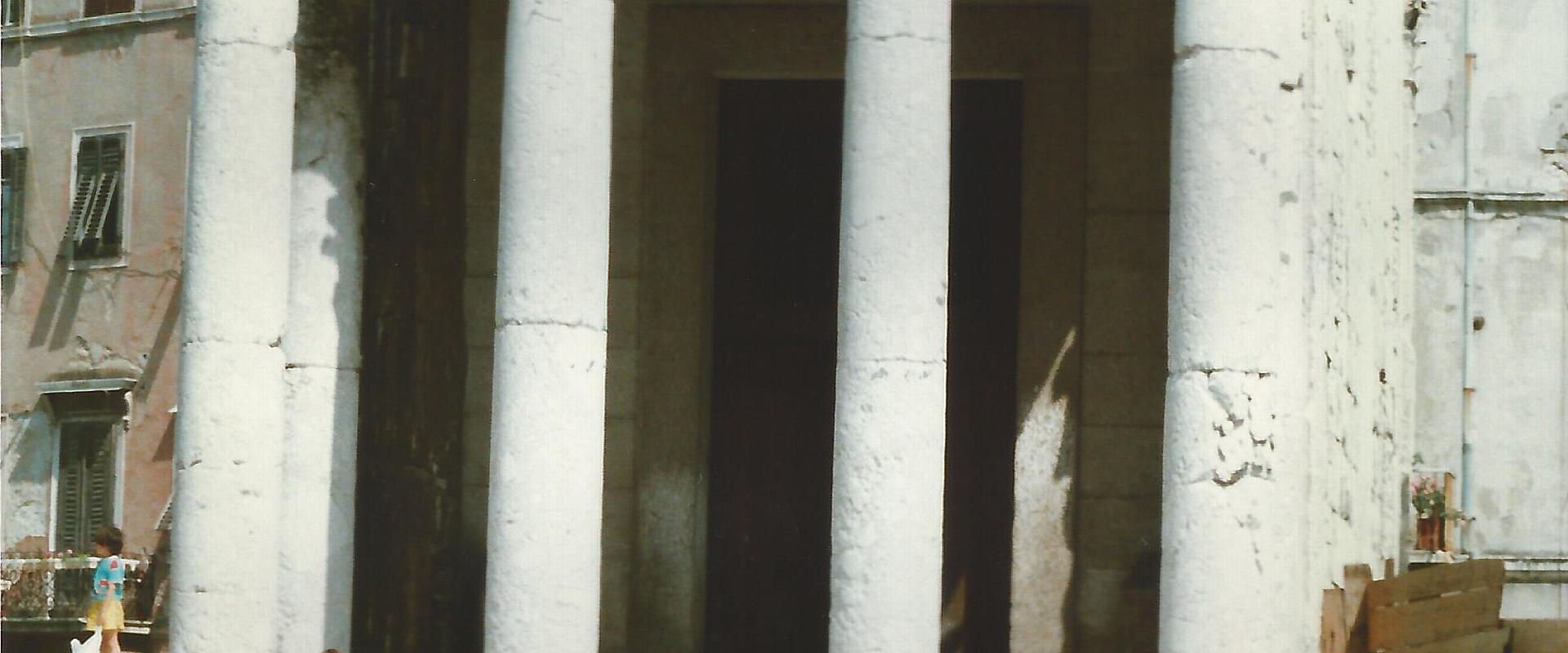
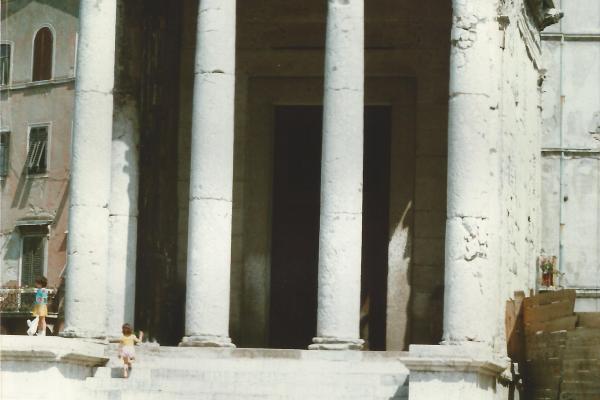
The Temple of Augustus is the best-preserved ancient building in Pula and one of the finest Roman temples on the eastern Adriatic. It stands on the north side of the old Roman Forum, which is today the town's main square, Narodni trg, and it looks out over the open space where markets and ceremonies once took place. Together with the Arena, the Arch of Sergii and the Twin Gates, it forms the core of Pula's Roman heritage and is easy to include in a short walk around the centre.
The temple was built in the reign of the first emperor, at the turn of the first century BC and AD, and was dedicated to the goddess Roma and to Augustus. It is a classic small Roman temple raised on a podium, with a front porch of six slim Corinthian columns carrying a decorated pediment, and a plain cella behind. A dedicatory inscription across the architrave, restored from fragments, names the deities it honoured. In scale it is elegant rather than monumental, and its proportions show how closely provincial architects followed the models in Rome.
Like many ancient buildings that survived into later centuries, the temple was repurposed. It served as a church in late antiquity and the Middle Ages, and later as a granary. Its stone was spared because it remained in use, and by the nineteenth century it had been repaired and turned into a place to display local antiquities. Much of the structure was destroyed in an Allied air raid in 1944, but the surviving fragments were collected and the temple was carefully rebuilt in the years immediately after the Second World War. When you look at the columns today, you are seeing an old monument that was reassembled with great care.
Inside, a small collection of stone and sculptural finds from Pula and its surroundings is on display, with Roman portraits and architectural fragments that give a flavour of daily life and religion in the ancient city. The collection is compact, so the visit is quick. Right next to the temple, the Town Hall was built into the remains of another Roman temple, the Temple of Diana, whose back wall can still be made out in the later building.
Most visitors spend a short time here, often an hour including a walk around the Forum. It suits history enthusiasts, architecture fans and anyone who wants to see Roman Pula at a human scale after the vast Arena. The square is a pleasant place to sit with a coffee in the evening, when the temple is lit and the pale limestone glows.
Categories
More photos coming soon
Nearby Attractions
Other places to visit in Pula
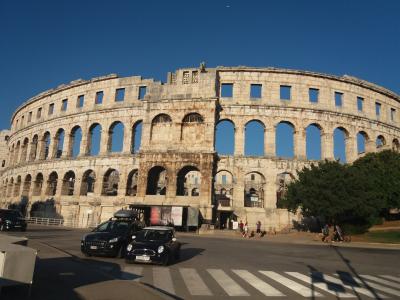
Pula Arena
Roman amphitheater, one of the best-preserved worldwide
History & Heritage · Ancient Sites
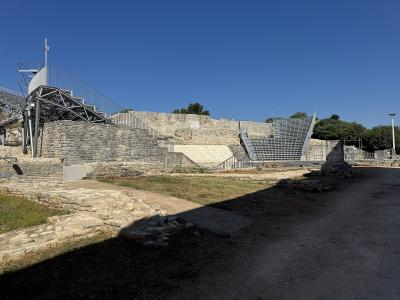
Pula's Roman Theatre
Small Roman theatre ruins in Pula old town
Cultural Experiences · History & Heritage
Museum of Olive Oil
Museum of Istrian olive oil history and tasting
Cultural Experiences · Food & Gastronomy
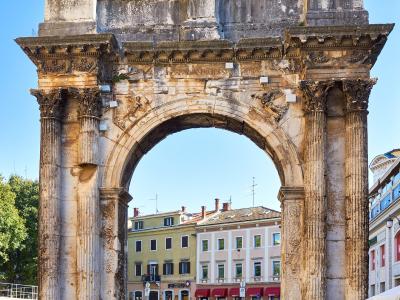
Arch of Sergii
Roman triumphal arch honoring Sergii family in Pula
History & Heritage · Urban Exploration
Questions people ask
Quick Facts
Best Time to Visit
May to October offers warm weather, lively festivals, and ideal conditions for sightseeing, beaches, and exploring Pula’s Roman and medieval heritage.