







- Where
- Bakar, Gorski Kotar
- Directions
- Directions
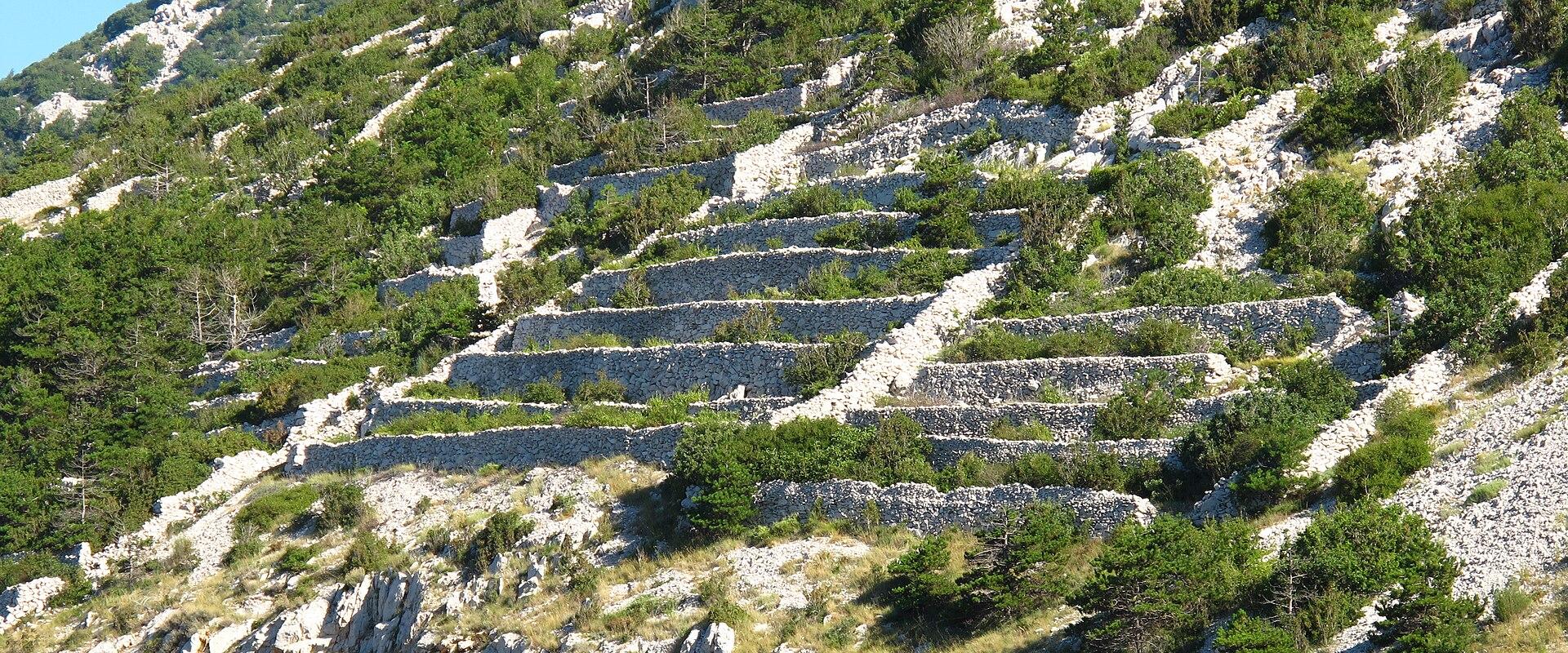
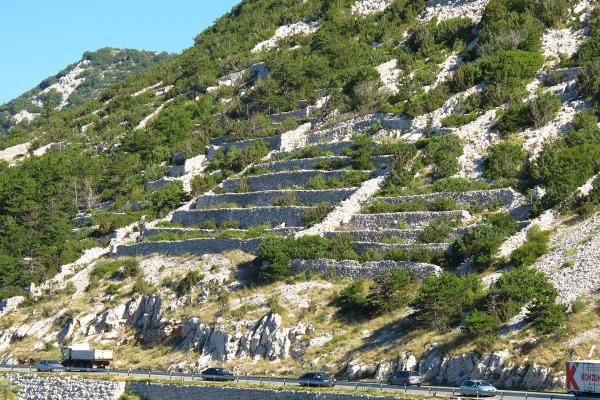
The drystone walls of Bakar are a characteristic feature of the landscape around the town of Bakar, on the Kvarner coast near Rijeka, and they are one of the clearest signs of how people have shaped the land over many generations. A drystone wall is built without mortar, using only carefully chosen and fitted stones, and the technique has been used around the Mediterranean for thousands of years. In 2018, the art of dry stone walling was inscribed on the UNESCO list of the intangible cultural heritage of humanity, as a tradition shared by Croatia and several other countries, and the walls of Bakar are part of that wider heritage. They are a reminder that landscapes can be made by skilled hands rather than machines.
In Bakar, the walls have a practical origin. The hills above the bay are steep and covered in loose stone, and the soil is thin, so farmers cleared the stones from the ground and used them to build terraces that hold soil and create flat strips for planting. These terraces are known locally as prezidi, and they climb the slopes in long, curving lines, forming a pattern that is both functional and beautiful. They support vineyards and orchards, mark property boundaries, protect fields from wind and runoff, and in the past they were also used to keep livestock out of crops. The construction needs great skill: each stone must be placed so that it locks with its neighbours, with larger stones at the base, smaller ones in the upper courses and long stones set through the thickness of the wall to tie it together. A well-built wall can stand for centuries, with no more maintenance than occasional repair.
Visitors can explore the area on foot, walking among the walls and looking at the details of the stonework, the way the terraces follow the contours and the views over the Bay of Bakar. The walk is quiet and unhurried, and it suits an early morning or late afternoon, when the low sun brings out the texture of the stone and the colours of the vegetation. Most people spend between one and two hours here. There are no opening hours or admission fees, and the site is open to everyone. Please do not climb on the walls or remove stones, since they are easily damaged, and keep to paths.
The walls link with other places in Bakar. The educational promenade to Črni Vrh climbs through the terraces to a viewpoint with a prehistoric fort, and the old town has the Church of St. Andrew the Apostle and a house built by a family of Turkish origin, which tell more of the town's past. Local producers offer wine and tastings.
The walls suit photographers, walkers, history lovers and anyone interested in traditional crafts. Wear sturdy shoes, bring water and respect the work of those who built and still maintain the terraces.
Categories
More photos coming soon
Nearby Attractions
Other places to visit in Bakar
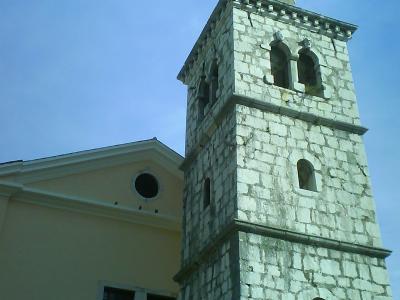
Church of St. Andrija the Apostle
12th-century basilica with crypt and 11 altars
History & Heritage · Historic Churches
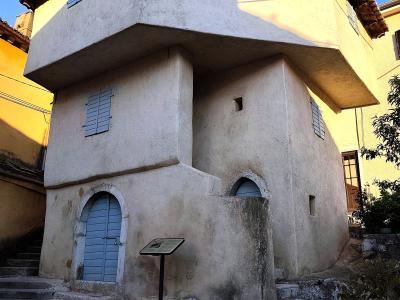
House Built by a Turkish Family
Ottoman-era house with unique Turkish architecture
Cultural Experiences · History & Heritage
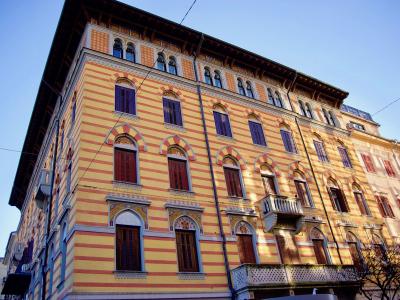
The Turkish house
Ottoman-era house with unique architecture in Bakar
Cultural Experiences
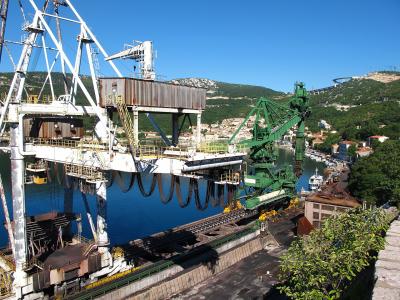
Bay of Bakar
Historic Adriatic bay with medieval town and tours
Coastal & Maritime · Natural Wonders
Questions people ask
Quick Facts
Best Time to Visit
Early July to mid-August offers hot weather, warm sea, and lively festivals; spring and early autumn are ideal for hiking, sightseeing, and relaxed coastal stays.