







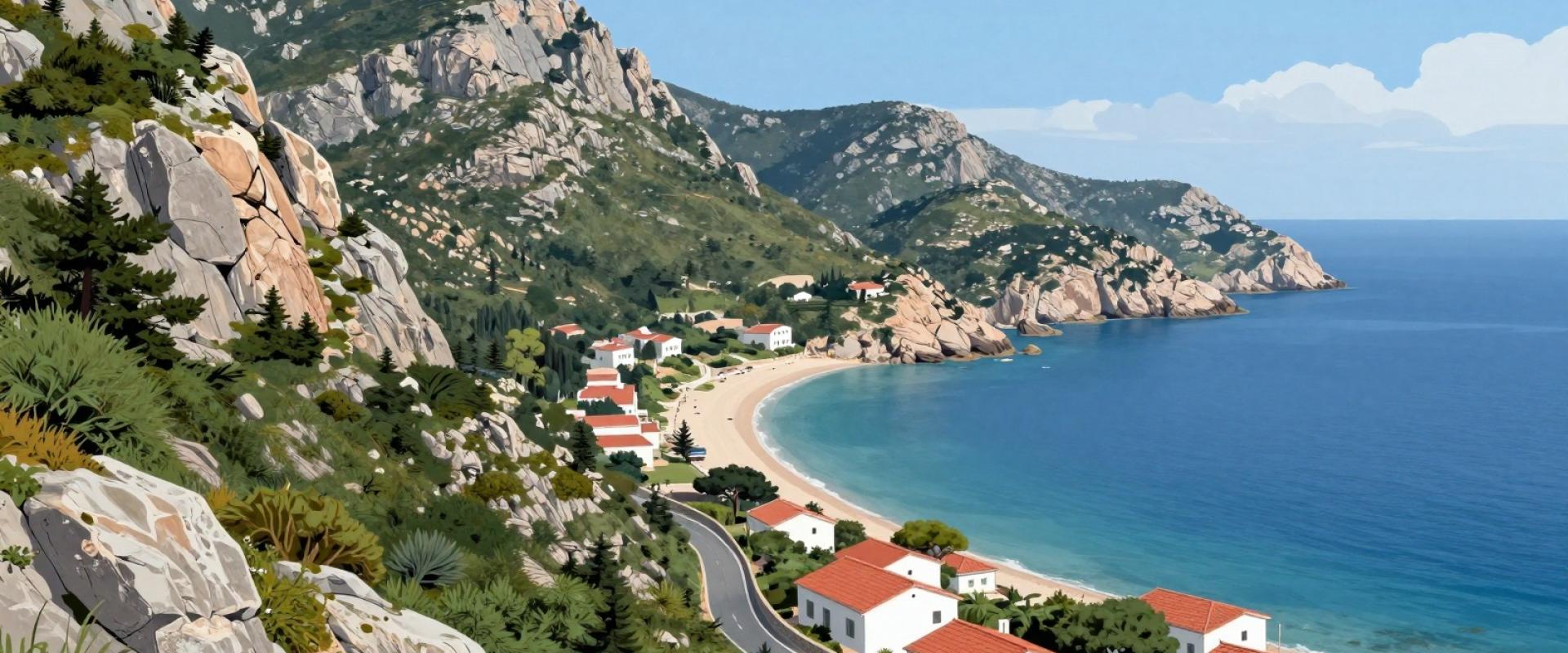
Bol Old Town, locally called Stari Grad Bol, is the historic core of Bol, one of the oldest settlements on the island of Brač, in central Dalmatia. Bol lies on the southern shore of the island, facing the island of Hvar across a narrow channel, and it is best known today for the beach called Zlatni Rat, the Golden Horn, a long spit of white pebbles that changes shape with the wind and currents and stretches out into the sea west of the town. The old town is quieter and more intimate than the seafront, and it gives a picture of the town as it was before tourism, with stone houses, narrow lanes and small squares that follow the slope of the hill above the harbour. Its position in front of the sea and under the mountain has shaped its history, which goes back to antiquity.
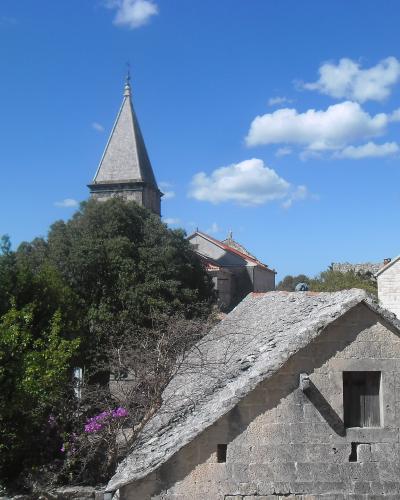
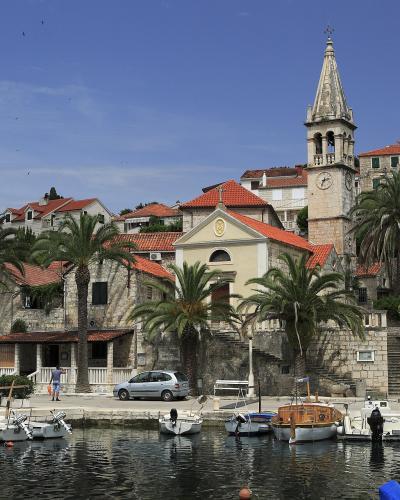
The old town is compact, and the best way to see it is on foot. Streets are narrow and paved with stone, often shaded by the tall houses, and they lead to small courtyards, arched passages and steps, with plants growing from walls and windows. The architecture is typical of the Dalmatian coast, with stone buildings, terracotta roofs and green shutters, and the stone itself is the famous white limestone of Brač, which has been quarried on the island for thousands of years and was used for Diocletian's Palace in Split and in many other important buildings. Some houses date back several centuries, and a few have been preserved close to their original state, giving a glimpse into the local way of life. The main square is a central gathering point, surrounded by cafés and small shops, where locals and visitors sit and watch the day pass.
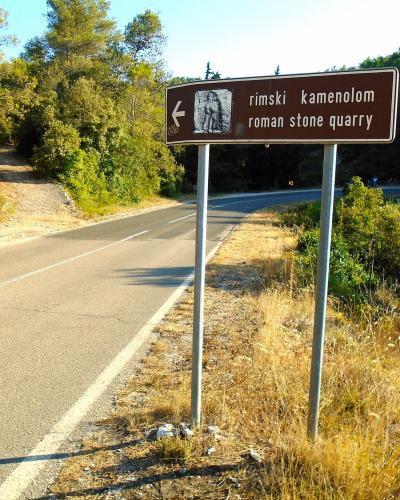
There are cultural sights close by. A Dominican monastery, founded in the 15th century on a promontory by the sea, includes a church and a museum with a collection of religious art, and its peaceful cloister is a pleasant stopping place. The Branislav Dešković Art Gallery, in a historic palace on the waterfront, displays works by Croatian and international artists. The quarry at Gazivoda shows the stone industry that supported the island, and the Brač Museum presents the history and traditions of the island as a whole. Splitska, a small village with a beach, lies on the northern coast, and the road across the island offers fine views.
The old town is also a good base for outdoor activity. Bol is a centre for windsurfing and kitesurfing, thanks to a steady afternoon wind in the channel, and the mountain behind, Vidova Gora, rises to nearly eight hundred metres, the highest point on any Adriatic island, with a famous viewpoint over the sea and neighbouring islands. Hiking and cycling routes lead up from the town, and boat trips run to nearby coves and to Hvar.
The old town suits walkers, culture lovers and travellers who like quieter corners of popular places. Visit in the morning or evening for the best atmosphere, and allow one to two hours.
Categories
More photos coming soon
Nearby Attractions
Other places to visit in Brač
Frequently Asked Questions
Quick Facts
Best Time to Visit
May to October for warm, sunny weather ideal for swimming and hiking.