







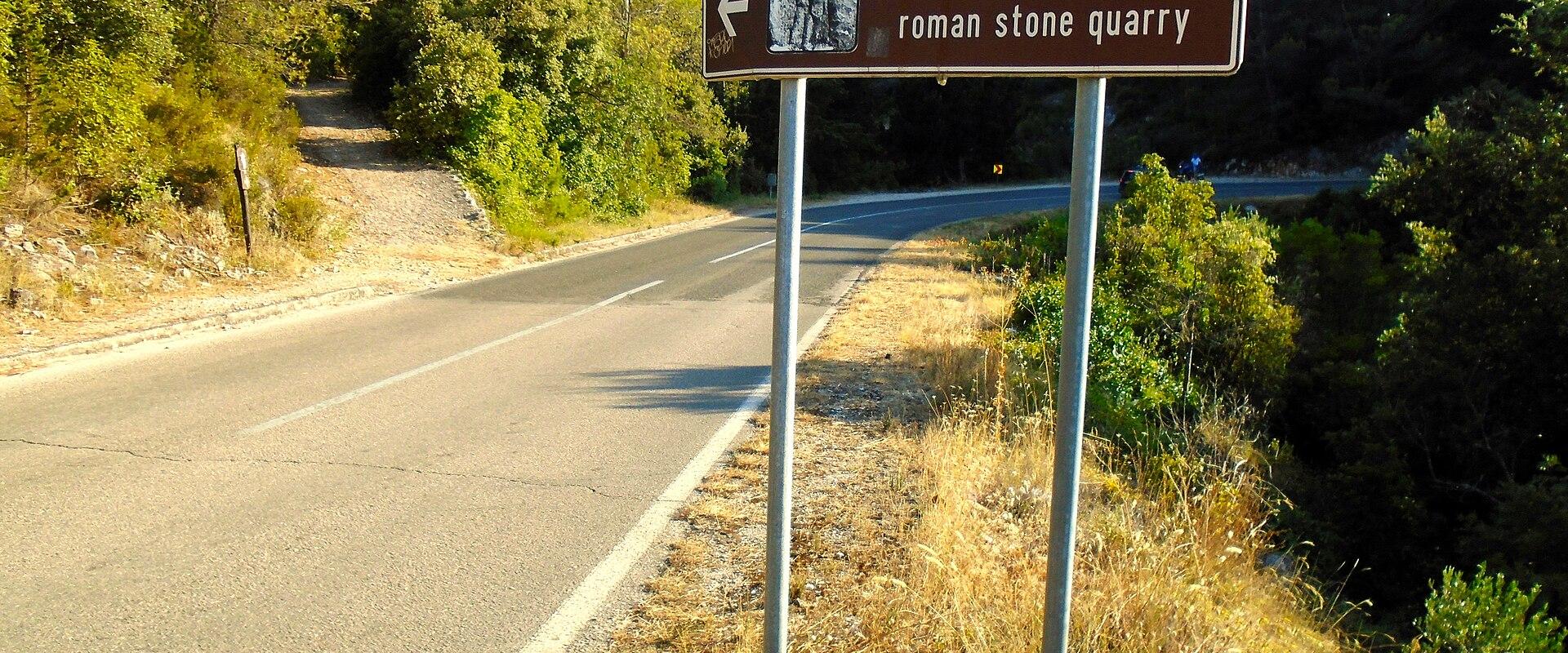
Gazivoda Stone Quarry
- Where
- Brač, Dalmatia
- Directions
- Directions
The island of Brač is famous for its stone, a pale, fine-grained limestone that is among the most beautiful building stones in the Mediterranean, and the Gazivoda quarry near the village of Splitska is one of the places where you can see how it was worked in antiquity. It is an ancient quarry rather than a commercial one, a place where the Romans cut blocks from the rock face and shipped them across the sea, and the weathered cliff, with its steps and grooves cut by hand, is a remarkable monument to the labour of thousands of workers. Brač stone is bright white and takes a polish, which is why it was in demand across the Roman world.
Quarrying on the island goes back to the early centuries of the common era, and the largest known use of Brač stone in antiquity was in the construction of the palace of the emperor Diocletian in Split, begun at the end of the third century, which used huge quantities of blocks cut on the island and brought by boat across the channel. The stone has continued to be used ever since, for churches, palaces and public buildings throughout Dalmatia, and in modern times, it has been exported to many countries and was used in famous buildings abroad, including, as local people like to point out, the White House in Washington. The business of cutting stone has shaped the island's economy and identity, and the villages of Brač are full of carved details.
At the quarry, visitors can see the rock face, with the marks of chisels and wedges, and the spaces left where blocks were cut out. Ancient quarrymen used iron wedges, wooden wedges that were soaked with water so that they swelled, and hammers to split blocks along natural lines, and they left unfinished pieces and cutting channels that show the stages of the work. In the quarries near Splitska, there is a relief of Hercules, shown with his club, which is thought to have been carved by workers who honoured the hero as a symbol of strength, a reminder that the labourers were also believers with their own gods. The site is quiet, and the atmosphere is reflective, with little interpretation, so it helps to read about it beforehand.
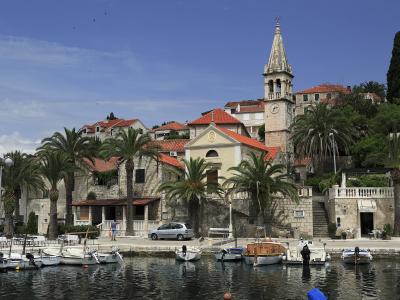
The nearby village of Splitska is a pleasant little harbour with a pebble beach, and it is the port from which the stone was shipped. In the town of Pučišća, a short drive away, a school of stonemasonry, one of the oldest of its kind in Europe, continues to teach traditional carving, and the Brač Museum in Škrip, listed in this guide, offers more background. The old town of Bol and its beach are on the other side of the island.
There is no fee and no fixed opening hours, but the site is not formally developed, so wear sturdy shoes, watch your footing on the rough rock and take care near edges. Allow thirty to sixty minutes. The quarry suits history enthusiasts, photographers and anyone interested in the stone that built Dalmatia.
Categories
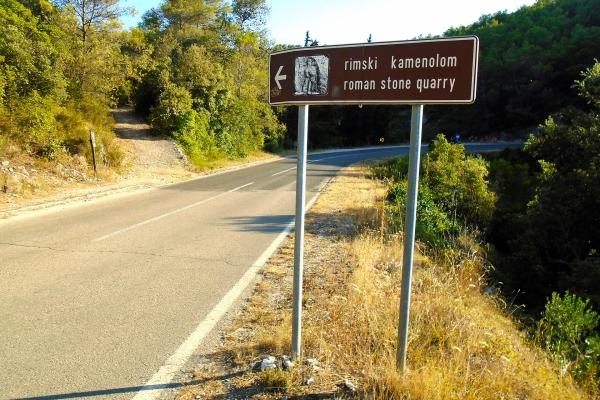
More photos coming soon
Nearby Attractions
Other places to visit in Brač
Questions people ask
Quick Facts
Best Time to Visit
May to October for warm, sunny weather ideal for swimming and hiking.