







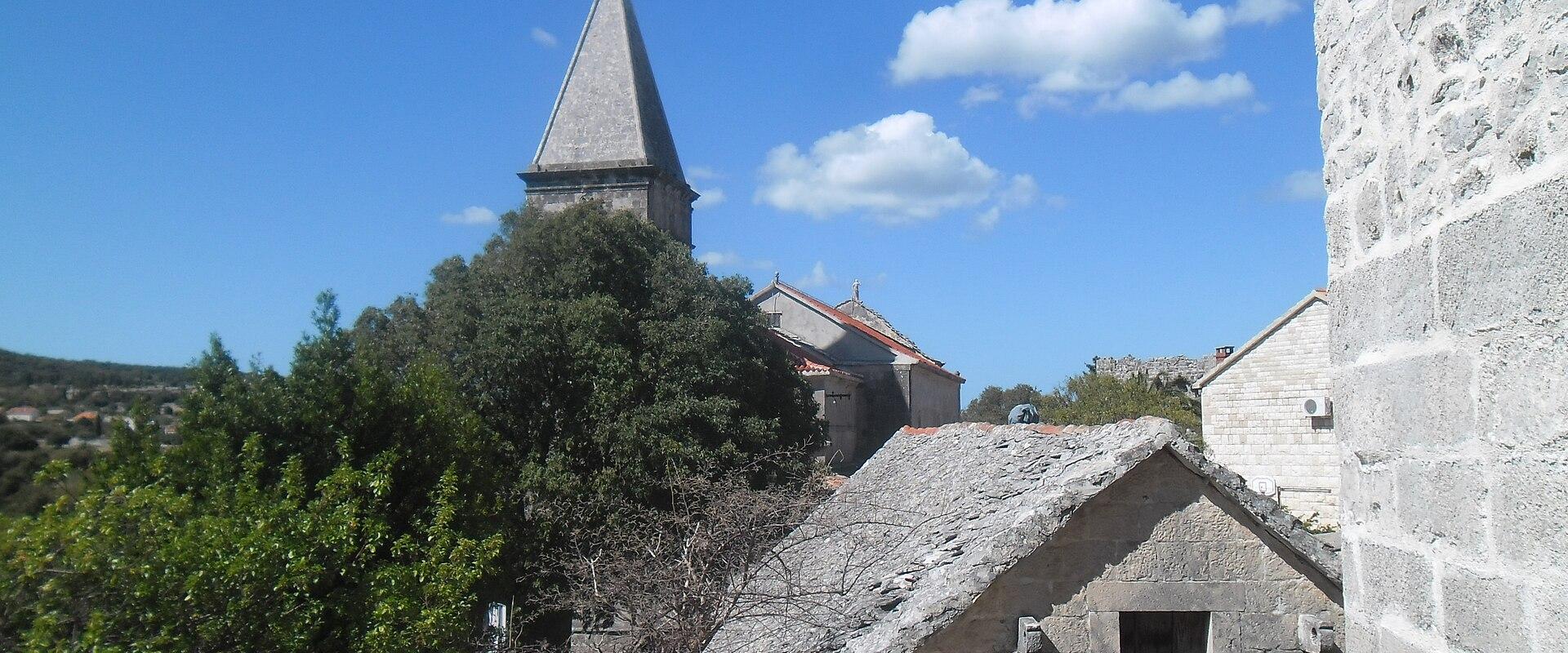
Brač Museum (Muzej otoka Brač)
Brač Museum (Muzej otoka Brač)
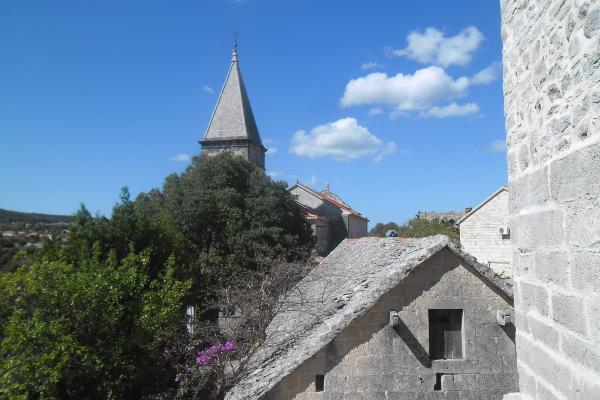
The Museum of the Island of Brač is housed in a historic stone tower in the village of Škrip, a small inland settlement in the centre of the island, about a dozen kilometres from the coast, and it is the best place to learn about the long history of Brač. Škrip is generally described as the oldest settlement on the island, and it is a tiny hamlet of stone houses on a rocky rise, surrounded by olive groves and dry-stone walls. The museum is in the old Radojković tower, a fortified house built in the Middle Ages, which was used as a refuge by the villagers in times of danger, and the building is part of the museum's story.
Brač has been inhabited since prehistory, and the Illyrians, Greeks, Romans and Slavs all left traces. Škrip has remains from several of these periods. Massive ancient walls of large stone blocks, built without mortar, encircle part of the hill and are thought to date from the pre-Roman period, perhaps from the second millennium before the common era. A Roman mausoleum, built from the local white stone, stands nearby, along with other Roman remains, and the whole village is a sort of open-air archaeological site. The museum displays finds from Škrip and other sites on the island and helps to put them in context.
The collection covers a wide span of time, with prehistoric tools and pottery, Roman gravestones with inscriptions, medieval stone sarcophagi, sea charts and objects connected with the island's seafaring tradition, and folk crafts such as textiles, tools and household items. Because the rooms are within an old tower, the display is compact and intimate, and the thick walls and narrow staircases are part of the experience. Information is given in Croatian and often in other languages, and the staff may be able to explain the exhibits.
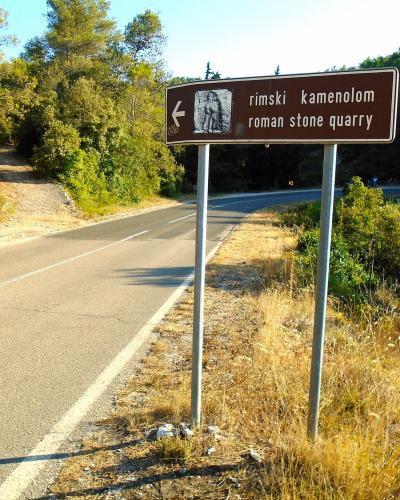
Stone is the great theme of Brač. The island's white limestone has been quarried since Roman times, and it was used for Diocletian's Palace in Split and in many famous buildings across the world, including the White House in Washington. The local quarries and the stonemasons' school at Pučišća continue the tradition, and a quarry at Gazivoda is listed in this guide. Brač is also known for its olive oil, its wine, the beach of Zlatni Rat at Bol, and the old town of Bol, which is described elsewhere.
Opening hours may vary with the season, so check before you go, and keep in mind that Škrip is reached by a winding road. Wear comfortable shoes to walk around the village and the ancient walls. Allow an hour or two. The visit suits history and archaeology enthusiasts and travellers who like to see the quiet interior of an island.
Categories
More photos coming soon
Hours & Fees
Hours
Daily from 8:00 AM to 8:00 PM
Admission
15 kuna for adults, 5 kuna for children under 14
Nearby Attractions
Other places to visit in Brač
Frequently Asked Questions
Quick Facts
15 kuna for adults, 5 kuna for children under 14
Best Time to Visit
May to October for warm, sunny weather ideal for swimming and hiking.