







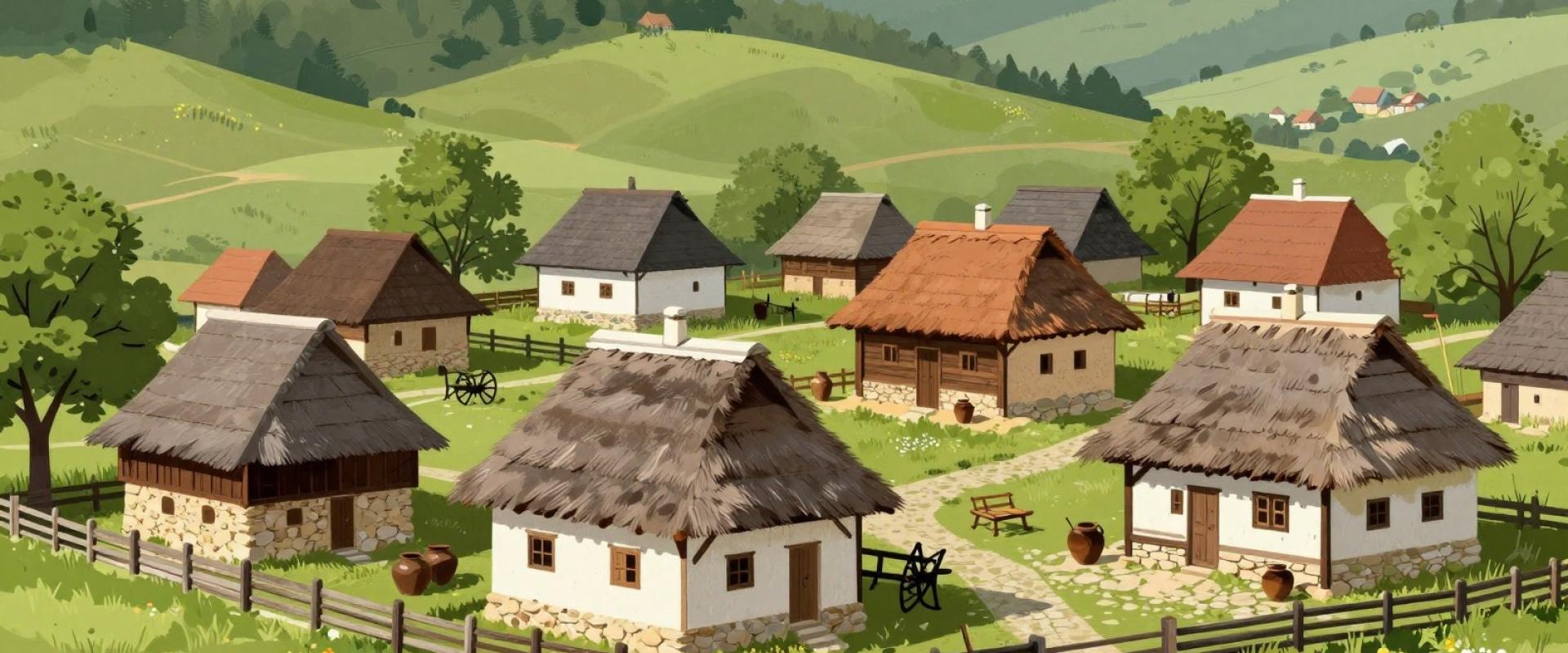
Dišeća Starina Ethno Village
Traditional Croatian village showcasing heritage
- Where
- Gornja Stubica, Zagorje
- Directions
- Directions
Dišeća Starina Ethno Village is a small open-air heritage site in Gornja Stubica, in Hrvatsko Zagorje, in northwestern Croatia, that shows how people lived and worked in the Zagorje countryside of Croatia in earlier times, a window into Croatia’s rural past. The name can be translated as Fragrant Antiquity, a phrase that suggests the scent of old wood, hay and woodsmoke, and the village tries to recreate the atmosphere of a traditional farming community.
There is a distinct rural culture in Zagorje, and the village shows Zagorje’s traditions. Before the twentieth century, most people lived in small hamlets on the hillsides, in houses built of oak and other local timber, often raised on stone foundations, with steep roofs covered in shingles or straw, and with a porch along the front. Next to the house stood a granary, a barn, a pigsty, a well and a fruit orchard, and wine cottages, called klijeti, stood among the vineyards on the slopes. Families kept pigs, poultry and a few cows, grew maize, beans and potatoes, tended vines and orchards and made much of what they needed themselves. Winter evenings were spent in the main room around the stove, with spinning, mending and storytelling.
An ethno village gathers examples of such buildings in one place, restored or reconstructed, and fits them out with the tools, furniture and everyday objects of the period. At Dišeća Starina, visitors walk among wooden houses and farm buildings arranged in a village setting, with gardens, orchards and rustic paths between them. Seeing the low doors, small windows and simple furnishings gives a physical sense of how limited space was and how everything had a practical purpose. In some villages of this kind, demonstrations of crafts and tasting of local food are offered, and it is worth asking at the entrance whether any events are planned.
The village is pleasant for families, who can let children run between the houses, and for photographers who enjoy the textures of old timber, thatch and weathered tools. It is set in the rolling hills around Gornja Stubica, an area that suits walking and cycling, and it often works as a rest stop on routes between the other sights of the area. Gornja Stubica is closely associated with the Peasants’ Revolt of 1573, led by Matija Gubec, and the nearby Oršić Castle and Museum of the Peasants’ Revolt and the Gubec Linden tell that story. The Stubički Golubovec Castle and its park, the Burnjak Dam and the Rudolf Perešin Memorial Park are further stops.
Because opening hours and admission arrangements are not widely published, it is best to check locally or with the tourist office in Gornja Stubica before making a special trip. The site suits families, photographers and anyone who enjoys rural heritage, and spring and early autumn give the best weather. Wear comfortable shoes, since paths may be uneven.
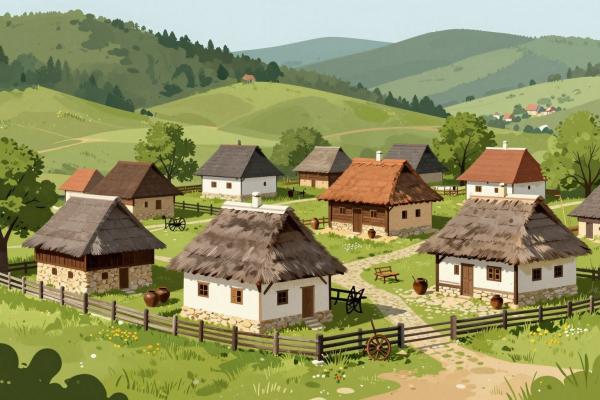
More photos coming soon
Nearby Attractions
Other places to visit in Gornja Stubica

Rudolf Perešin Memorial Park
Memorial park honoring pilot Rudolf Perešin
History & Heritage · Monuments
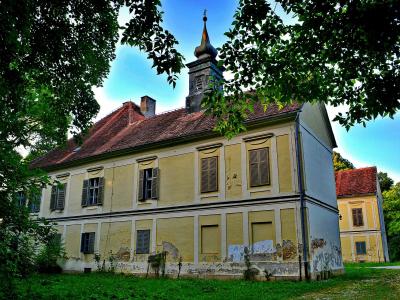
Stubički Golubovec Castle
Late Baroque castle with landscaped park and forest
History & Heritage · Castles

Burnjak Dam and Retention Basin
Large flood control dam with 1.8M m³ retention
Activities & Adventure · Natural Wonders
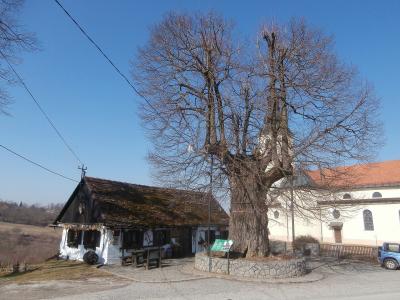
Gubec Linden (Gupčeva Lipa)
400-year-old linden, witness to 1573 revolt
Cultural Experiences · History & Heritage
Questions people ask
Quick Facts
Best Time to Visit
June to August offers warm weather, lush scenery, and lively festivals; spring and early autumn are ideal for hiking, sightseeing, and cultural events.