







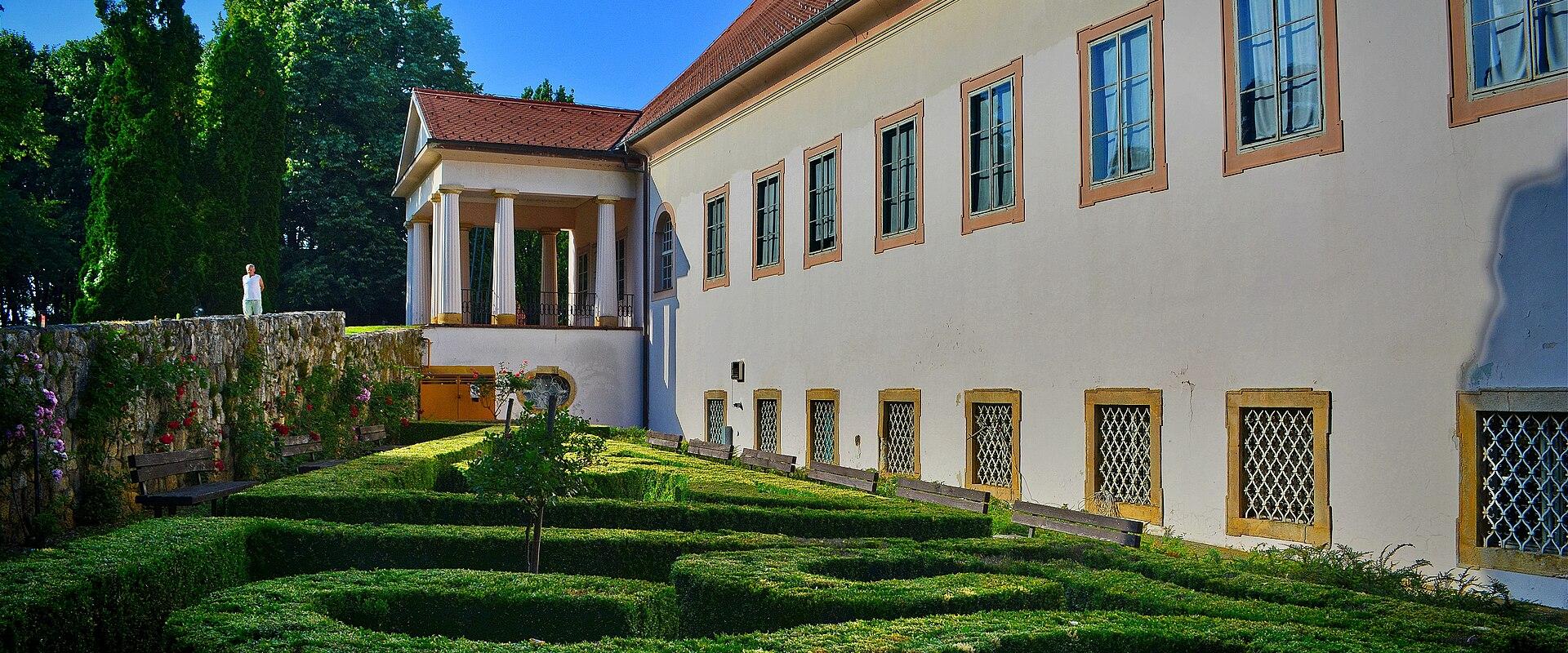
Gornja Stubica’s history is deeply intertwined with the story of the Croatian Peasants’ Revolt of 1573, a landmark event in the region’s struggle for social justice. The uprising was a reaction to heavy labour obligations imposed by the local landlord, and its leader, Matija Gubec, became a national figure. The town is home to monuments that commemorate the revolt, including the Monument of Matija Gubec, the legendary leader, and the Gubec Linden, known as Gupčeva lipa, an old tree beside the church under which the peasants are said to have gathered. Each year the town hosts a historical reenactment of the Peasants’ Revolt, drawing visitors from across Croatia to see costumed performances, folk music and traditional crafts. Gupčeva Hiža in nearby Hižakovec continues the story with a small display about the period.
The main attractions in Gornja Stubica include the Muzej seljačkih buna, the Museum of Peasant Uprisings, which presents the history of the revolt and rural life through exhibits and artifacts. The museum occupies Oršić Castle, a Baroque landmark that also houses the museum complex and is a highlight for history lovers and photographers. The Church of St. Anthony of Padua and other historic sites reflect the area’s religious and architectural heritage, while parks and leafy squares provide a quiet setting for rest. A second manor, Stubički Golubovec Castle, shows late Baroque architecture and is a good place to compare styles. The Rudolf Perešin Memorial Park pays tribute to the pilot who, in 1991, flew a MiG-21 out of the Yugoslav air force to join the Croatian cause, and it is a place of national memory.
Gornja Stubica is also a gateway to outdoor adventure. The surrounding hills and forests are crisscrossed with hiking and cycling trails, offering scenic routes for all levels and panoramic views of the Zagorje landscape. The Burnjak Dam and Retention Basin is a calm spot for walks, and the Dišeća Starina Ethno Village, a small open-air attraction, demonstrates the old customs and crafts of Zagorje. Guesthouses such as Lojzekova Hiža offer rooms and meals in a rural setting. Local restaurants serve hearty Zagorje cuisine, including roast meats, homemade bread and strudels, and community events celebrate the region’s music, dance and culinary traditions, offering visitors a chance to experience authentic hospitality and join in the festivities.
Gornja Stubica’s position makes it a convenient part of a wider route. Stubičke Toplice, with its thermal baths, is a few minutes away, Donja Stubica has its own town centre, and Zagreb is only 30 kilometers to the south. A day in the town could begin with the museum, continue with a walk to the linden and end with dinner in a village inn.
Getting to Gornja Stubica is straightforward. The town is accessible by road from Zagreb and other regional centers, with regular buses and ample parking available. The compact layout makes it easy to explore on foot or by bicycle. Accommodation options include guesthouses, rural homestays and small hotels, providing a comfortable base for visitors.
The best time to visit Gornja Stubica is from June to August, when the weather is warm, the countryside is lush and local festivals and outdoor activities are in full swing. Spring and early autumn also offer mild temperatures and beautiful scenery, ideal for sightseeing, hiking and enjoying the relaxed pace of rural life. Whether you are interested in history, wellness or the peaceful rhythms of the countryside, Gornja Stubica is an authentic and memorable stop in Zagorje.
Best time to visit
June to August offers warm weather, lush scenery, and lively festivals; spring and early autumn are ideal for hiking, sightseeing, and cultural events.
What to see in Gornja Stubica
Our picks first.
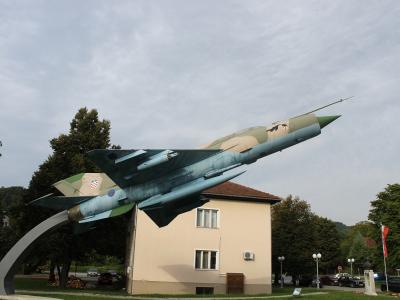
Rudolf Perešin Memorial Park
Memorial park honoring pilot Rudolf Perešin
History & Heritage · Monuments
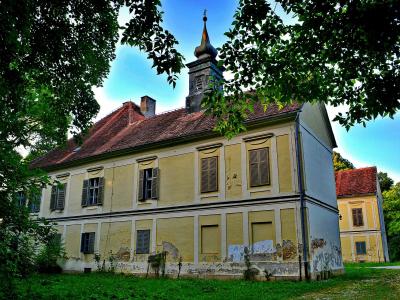
Stubički Golubovec Castle
Late Baroque castle with landscaped park and forest
History & Heritage · Castles
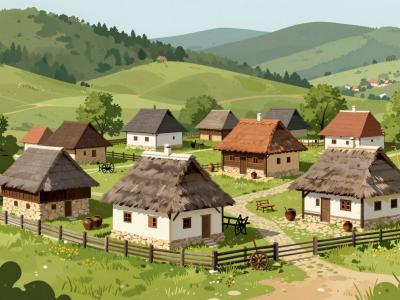
Dišeća Starina Ethno Village
Traditional Croatian village showcasing heritage
Cultural Experiences · History & Heritage

Burnjak Dam and Retention Basin
Large flood control dam with 1.8M m³ retention
Activities & Adventure · Natural Wonders
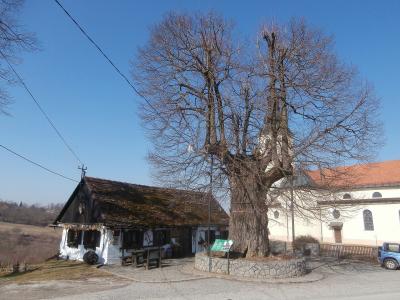
Gubec Linden (Gupčeva Lipa)
400-year-old linden, witness to 1573 revolt
Cultural Experiences · History & Heritage
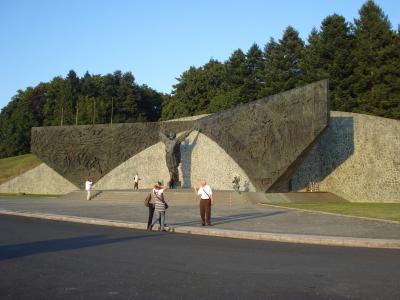
Oršić Castle and Museum of the Peasants' Revolt
Baroque castle housing the 1573 Peasants' Revolt museum
Cultural Experiences · History & Heritage
Gornja Stubica by interest
The same sights, grouped by what you came for.
Did you know?
Checked facts about Gornja Stubica, each with its source.
-
History
Home of the Museum of the 1573 Peasants' Revolt
Gornja Stubica's Oršić Castle houses the Peasants' Revolt Museum, founded for the 400th anniversary of the 1573 uprising led by Matija Gubec. Antun Augustinčić's monument to the revolt was unveiled here in 1973, and a promenade leads to Gupčeva Lipa, the linden tree linked with Gubec.
Source: Museums of Hrvatsko Zagorje
Planning a visit to Gornja Stubica
Good to know
- Currency
- EUR
- Language
- Croatian
Quick Facts
Book your stay
Questions people ask
More places in Zagorje
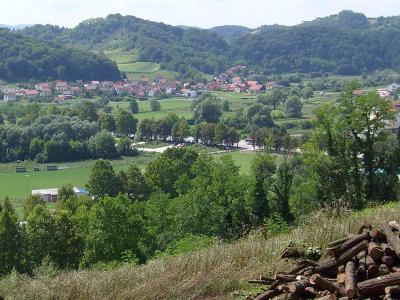
Zagorje
Krapinske Toplice
Zagorje spa village with thermal springs and wellness resorts
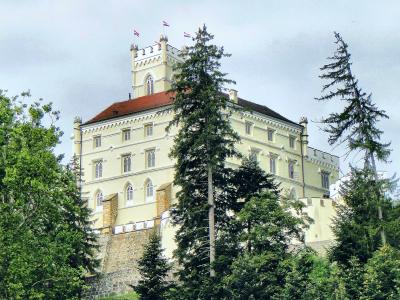
Zagorje
Trakošćan
Fairytale castle village amid forests and lakes
Zagorje
Marija Bistrica
Croatia’s largest Marian shrine in scenic Zagorje hills

Zagorje
Krapina
Neanderthal discovery town with museums and Zagorje hills