







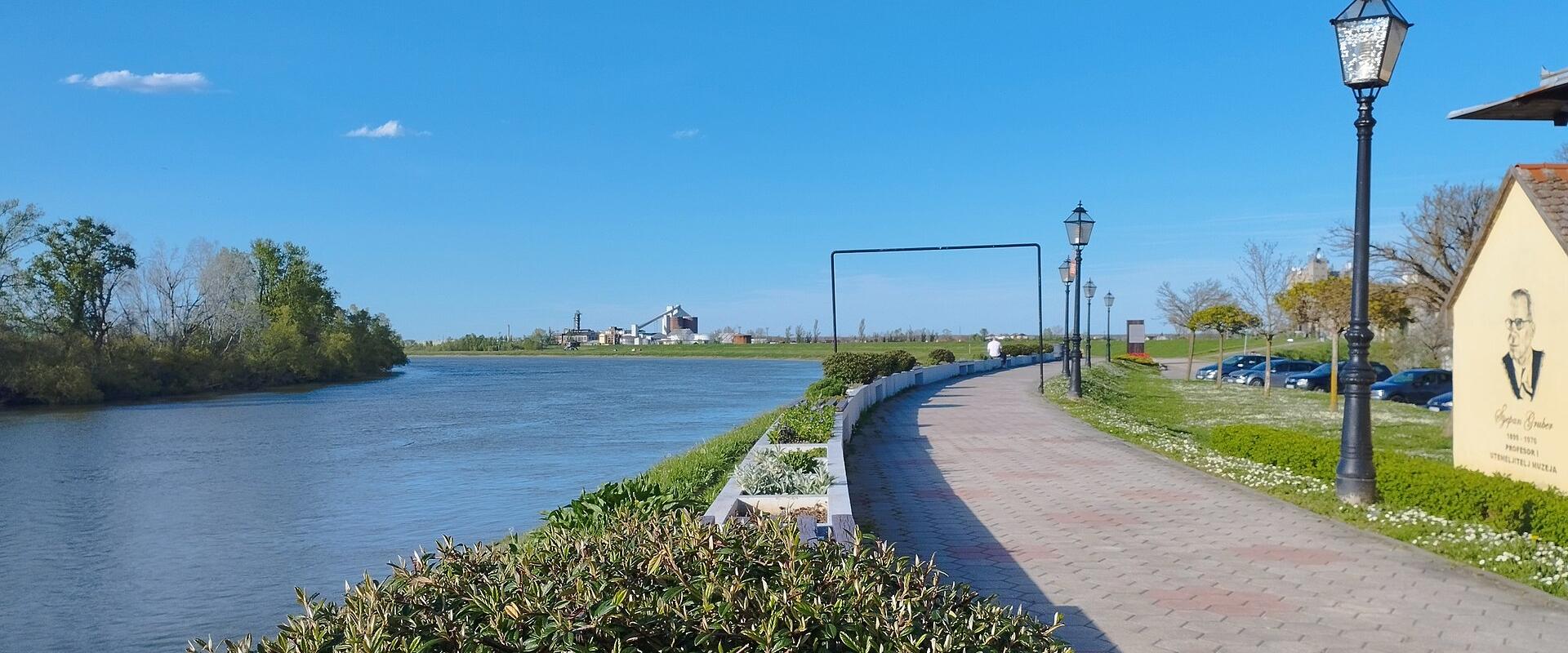
- Where
- Aljmaš, Slavonia
- Directions
- Directions
In north-eastern Croatia, the Drava and Danube Rivers define the landscape. The Danube, the second longest river in Europe, flows through the east of the country and forms the border with Serbia for much of its Croatian stretch, while the Drava, which comes from the Alps and runs for more than 700 kilometres through Austria, Slovenia, Croatia and Hungary, joins it near the village of Aljmaš, not far east of Osijek. The confluence makes an easy day trip from Osijek, and it combines well with a visit to Kopački Rit.
Where the two rivers meet, the land is flat and watery. Wide floodplains, backwaters, oxbow lakes, reed beds and forests of willow, poplar and oak spread along the banks, and the rivers still flood in spring, shaping the landscape from year to year. This kind of natural lowland river system has largely disappeared elsewhere in Europe, where rivers have been straightened and embanked, and that is why the Drava and Danube are often called some of the last wild lowland rivers on the continent. The area belongs to the Mura-Drava-Danube Biosphere Reserve, a protected area designated by UNESCO that follows the three rivers across five countries. Black storks, white-tailed eagles, kingfishers, otters and beavers live in the wetlands, and the bird life is exceptional, especially in spring and autumn when migrants pass through.
There are many ways to enjoy the rivers. Quiet walks along embankments, birdwatching from hides and boat trips from small harbours show the landscape from different angles. Anglers fish for carp, catfish and pike, and the river has long been the basis of village life, with fishing, boating and seasonal festivals that celebrate the water. Nearby nature areas include Kopački Rit Nature Park, which lies in the angle between the two rivers, and the village of Aljmaš, home to the Marian shrine of Our Lady of Refuge, a pilgrimage church that stands on the high bank near the point where the rivers meet.
The rivers have always been trade routes and borders, and the towns and villages along them carry the marks of many cultures and empires. Fortresses, churches and old river mills recall that history.
The rivers suit nature lovers, birdwatchers, cyclists and travellers interested in quiet landscapes. Spring floods can limit access, so it is best to check conditions locally.
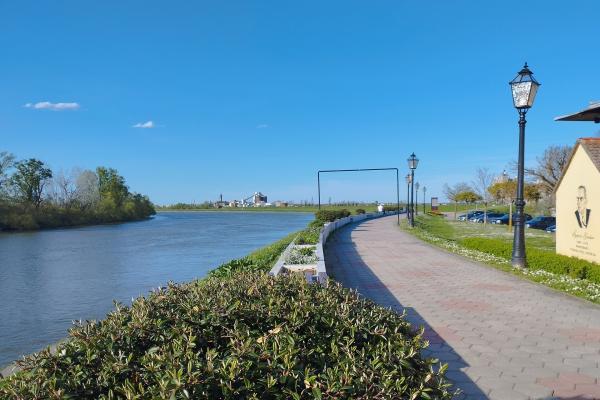
More photos coming soon
Nearby Attractions
Other places to visit in Aljmaš
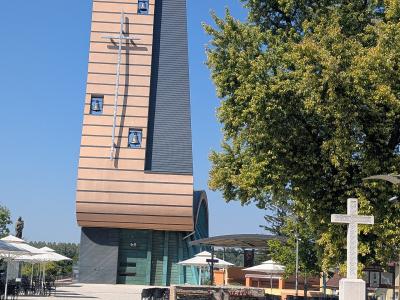
Aljmaš Marian Shrine
Baroque Marian shrine by the Danube River
Cultural Experiences
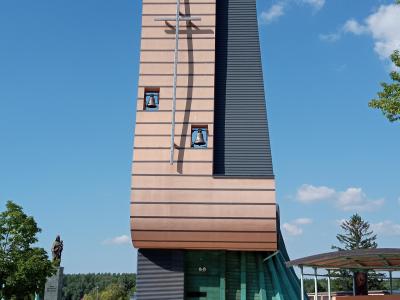
Sanctuary of Lady of Shelter
Historic riverside sanctuary symbolizing faith
Cultural Experiences
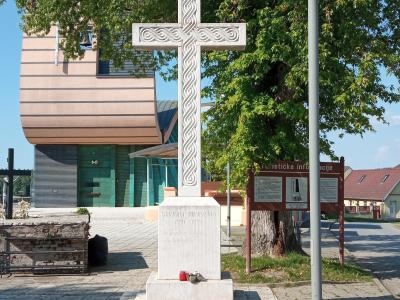
Sanctuary of Our Lady of Refuge (Svetište Gospe od Utočišta)
Marian shrine with Noah’s Ark church on Danube
Cultural Experiences
Questions people ask
Quick Facts
Best Time to Visit
April to October offers mild to warm weather, lush scenery, and ideal conditions for pilgrimages, outdoor activities, and riverside relaxation.