







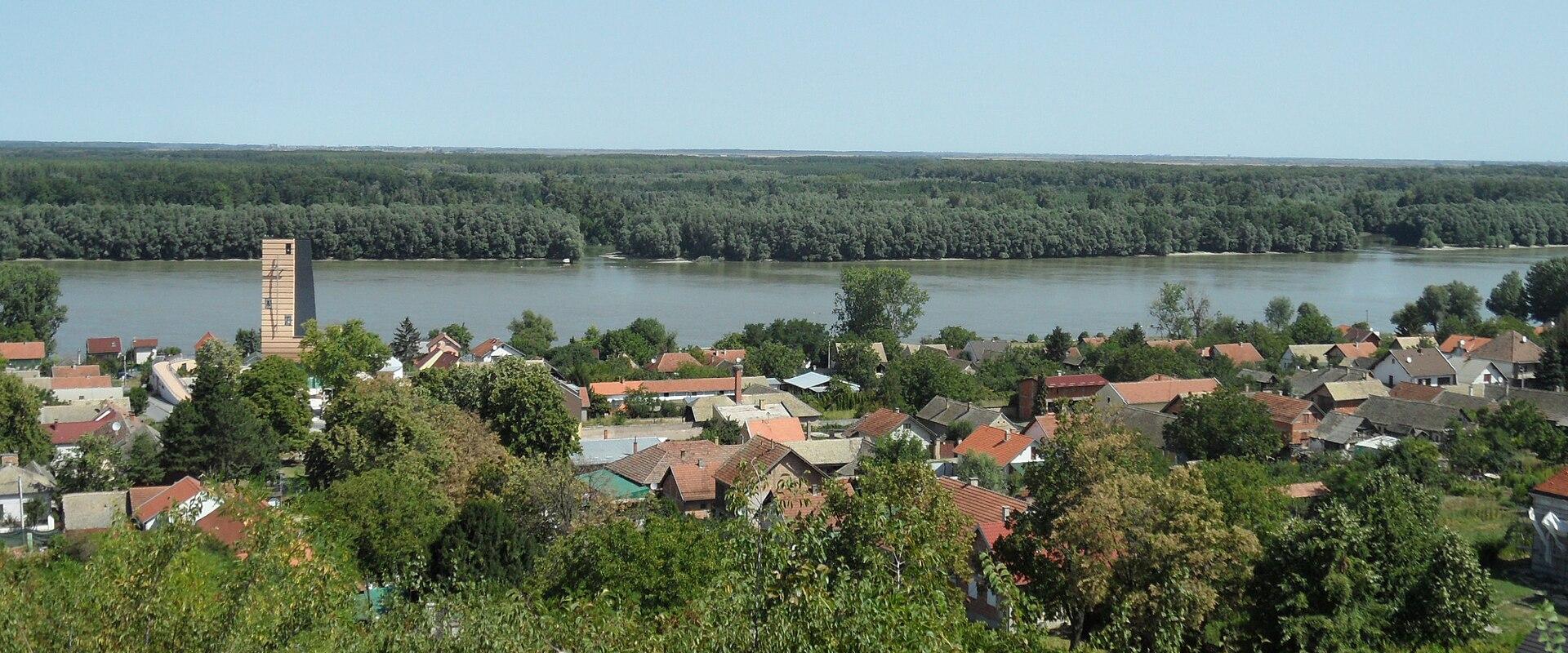
Aljmaš, a small village in Croatia’s Slavonia region, sits on the right bank of the Danube River, about 26 kilometers east of Osijek. Its riverside location has shaped both its history and its present-day appeal, which makes Aljmaš a place where spirituality, natural beauty and rural traditions meet. The village lies near the mouth of the Drava, and the Danube here is wide and slow, with islands, side channels and reed beds. Fishing has long been a livelihood, and the village’s association with the river is visible in the names of streets and taverns.
The history of Aljmaš is deeply tied to its religious significance. The village is best known for the Sanctuary of Our Lady of Shelter, the Svetište Gospe od Utočišta, one of Croatia’s most important Marian pilgrimage sites. The original church, built in the 18th century, became a focal point for Catholic pilgrims, especially during the annual Assumption Day celebrations on August 15th. Tragically, the sanctuary and much of the village were destroyed during the Croatian War of Independence in the 1990s. In the years that followed Aljmaš was painstakingly rebuilt, and the new sanctuary was consecrated in 2003, a symbol of hope and resilience for the local community and visitors alike. The village was returned to Croatia in 1997 and 1998, with the peaceful reintegration of the region, and people gradually came back.
The Sanctuary of Our Lady of Shelter remains the center of Aljmaš. Pilgrims and tourists are drawn to its modern yet serene architecture, peaceful grounds and the Stations of the Cross that wind through the village, ending in a calm place near the river. On major feast days, thousands gather for processions, masses and community celebrations, which fill Aljmaš with a lively, spiritual energy. Even outside pilgrimage times the sanctuary offers a tranquil space for reflection and prayer. The Church of Saint Apostles is another notable landmark in the village, and the Gloria Maris association, based in Osijek, organizes cultural and spiritual events linked to the sanctuary.
Beyond its spiritual attractions, Aljmaš is a haven for nature lovers. The village’s position along the Danube provides chances for fishing, boating and birdwatching, with the surrounding wetlands and nature reserves supporting a rich diversity of plants and animals. The Aljmaš Danube riverbank is a quiet place for a stroll, with benches and views of passing barges. Walking and cycling paths invite visitors to explore the riverside landscapes, while the gentle hills offer panoramic views of the Danube and the distant plains of Vojvodina across the river. The area is also known for its local wines and traditional Slavonian cuisine, which can be enjoyed in family-run taverns and guesthouses, with fish paprikash, grilled carp and homemade cakes on the menu.
Aljmaš’s small size and welcoming community make it a good destination for those seeking a peaceful retreat. The village hosts several cultural and religious events throughout the year, including concerts, art exhibitions and folk festivals that celebrate the region’s heritage. For those interested in history, the story of Aljmaš’s wartime destruction and subsequent renewal is commemorated in local memorials and through the resilience of its people. A day in Aljmaš might include a visit to the sanctuary, a walk along the river and a meal of fish, and it combines well with Erdut, Osijek and Kopački Rit.
Getting to Aljmaš is straightforward. The village is accessible by road from Osijek, with regular bus connections and ample parking for visitors. River cruises along the Danube also occasionally stop in Aljmaš, which offers a distinct perspective on the village and its surroundings. Once in Aljmaš, most attractions are within easy walking distance, and the riverside paths are good for leisurely strolls.
The best time to visit Aljmaš is from April to October, when the weather is mild to warm and the natural surroundings are at their most vibrant. The peak of pilgrimage activity occurs in mid-August, but spring and early autumn offer quieter experiences with pleasant temperatures good for outdoor activities. Winters are cold and tranquil, which gives a different, more contemplative atmosphere along the Danube.
Whether you come for spiritual renewal, nature or a glimpse of Slavonia’s enduring traditions, Aljmaš offers a unique and memorable stay on the banks of the Danube.
Best time to visit
April to October offers mild to warm weather, lush scenery, and ideal conditions for pilgrimages, outdoor activities, and riverside relaxation.
What to see in Aljmaš
Our picks first.
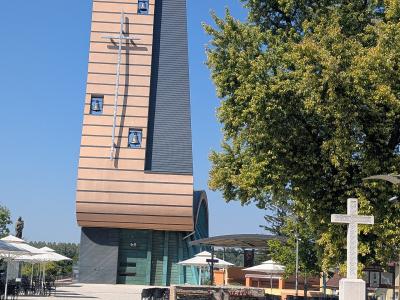
Aljmaš Marian Shrine
Baroque Marian shrine by the Danube River
Cultural Experiences
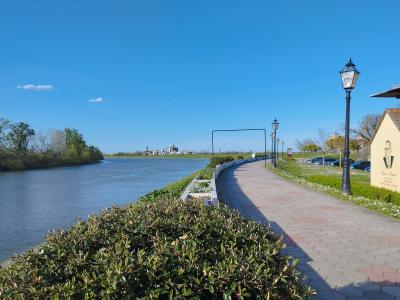
Drava and Danube Rivers
Confluence of Europe's last wild lowland rivers
Activities & Adventure · Coastal & Maritime
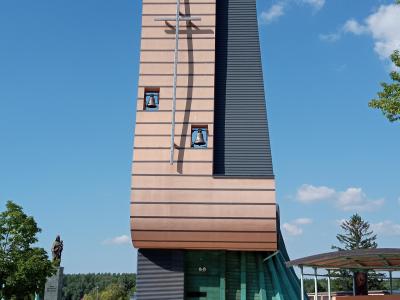
Sanctuary of Lady of Shelter
Historic riverside sanctuary symbolizing faith
Cultural Experiences
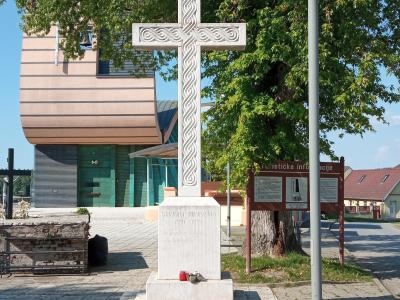
Sanctuary of Our Lady of Refuge (Svetište Gospe od Utočišta)
Marian shrine with Noah’s Ark church on Danube
Cultural Experiences
Aljmaš by interest
The same sights, grouped by what you came for.
Planning a visit to Aljmaš
Good to know
- Currency
- EUR
- Language
- Croatian
Quick Facts
Book your stay
Questions people ask
More places in Slavonia
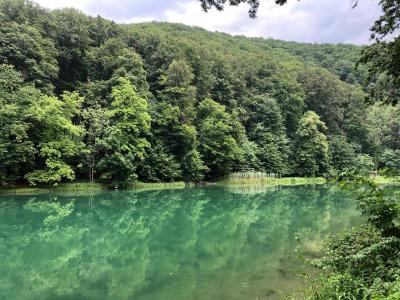
Slavonia
Papuk Nature Park
UNESCO Geopark with forests, waterfalls, and medieval ruins
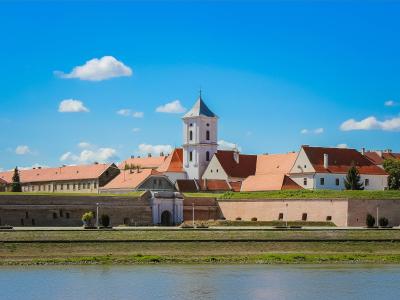
Slavonia
Osijek
Slavonia’s river city with baroque fortress and vibrant culture
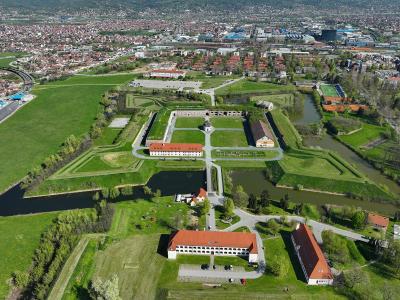
Slavonia
Slavonski Brod
Sava riverside city with fortress, parks, and vibrant culture
Slavonia
Vukovar
Hero City on the Danube with memorials and museums