







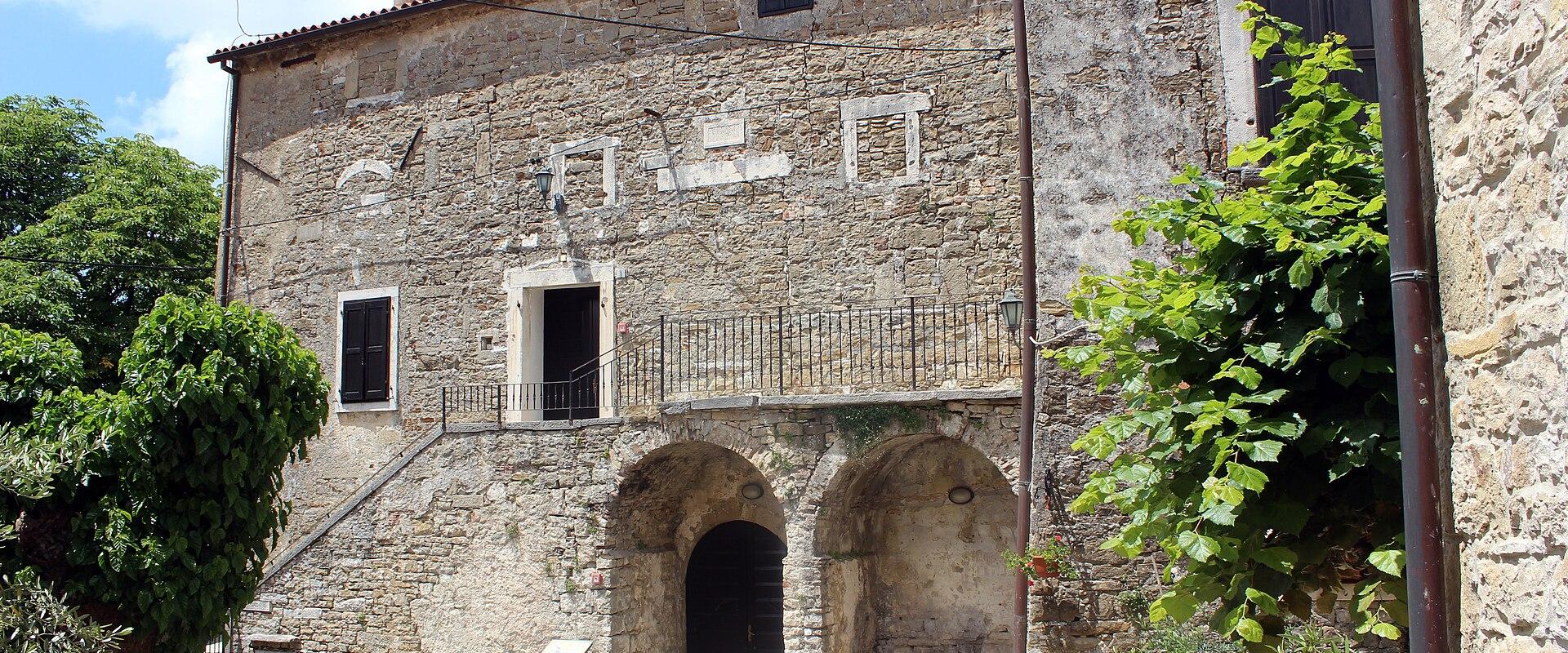
Grožnjan Town Walls and Gates
Venetian medieval walls guarding Grožnjan hilltown
Grožnjan, in Italian Grisignana, sits on a hilltop in the north-west of inland Istria, and the remains of its town walls and gates are the clearest reminder that this peaceful artists' village was once a fortified outpost. The walls surround the old centre like a belt, and walking around them, or through the gates that pierce them, is one of the best ways to understand the layout of the town and its position on the ridge above the valley of the Mirna. The stonework is not complete, but enough survives to show how the town was defended.
The history of the fortifications is tied to the history of Venetian Istria. After centuries under local nobles and the patriarchs of Aquileia, Grožnjan passed under the rule of Venice in the fourteenth century, and the republic strengthened the defences of the towns it controlled along its land frontier. Walls, towers and gates were improved to resist raiders and rival powers, and the Venetian lion, the symbol of St. Mark, can still be seen on public buildings in the town. Over the following centuries the town saw changes of rule, from Venice to Austria and later Italy and Yugoslavia, but the old walls remained the physical boundary of the settlement.
Grožnjan declined in the twentieth century. After the Second World War, many of its inhabitants left, and the old houses stood empty. In the 1960s, artists and musicians began to move into the abandoned buildings and turn them into studios, galleries and workshops, and the town was reborn as a place of creativity. The historic centre is now closed to traffic, which means that walking through the gates and along the stone lanes feels like entering a quiet, car-free village, where the sound of a piano or violin may drift from an open window in summer.
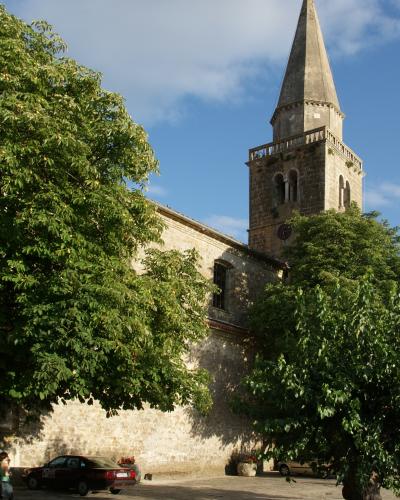
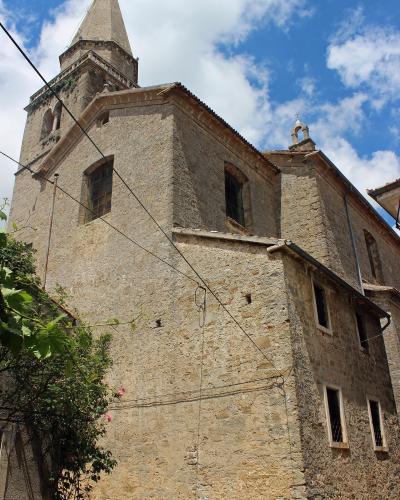
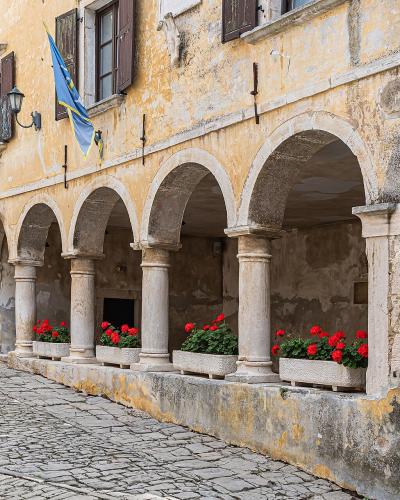
The walls and gates are best enjoyed by strolling slowly along the edge of the old town, where the stone steps, arches and terraces open views over the hills of Istria. The surrounding landscape of vineyards, olive groves and oak woods rolls away toward the Mirna valley, and on clear days, the sea is visible in the distance. The viewpoints along the walls make good spots for photography, particularly in the evening, when the stone glows. Other sights in the town, such as the Church of St. Vitus, Modestus and Crescentia, the loggia, the main square, Trg Palih Boraca, and the art galleries, are listed in this guide and are only a few minutes away.
The walls are free to visit and open at any time. Wear comfortable shoes, since the paving is uneven and steep. Allow thirty minutes to an hour. The walls suit history enthusiasts, photographers and anyone who enjoys atmospheric hill towns.
Categories
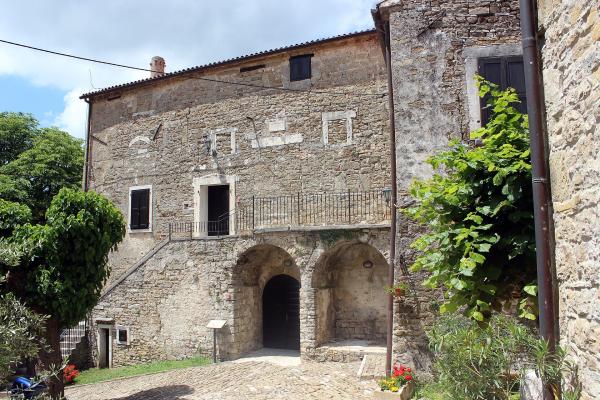
More photos coming soon
Nearby Attractions
Other places to visit in Grožnjan
Frequently Asked Questions
Quick Facts
Best Time to Visit
Early July to mid-August offers warm weather and lively festivals; spring and early autumn are quieter with mild temperatures and scenic countryside.