







- Where
- Lovinac, Lika
- Directions
- Directions
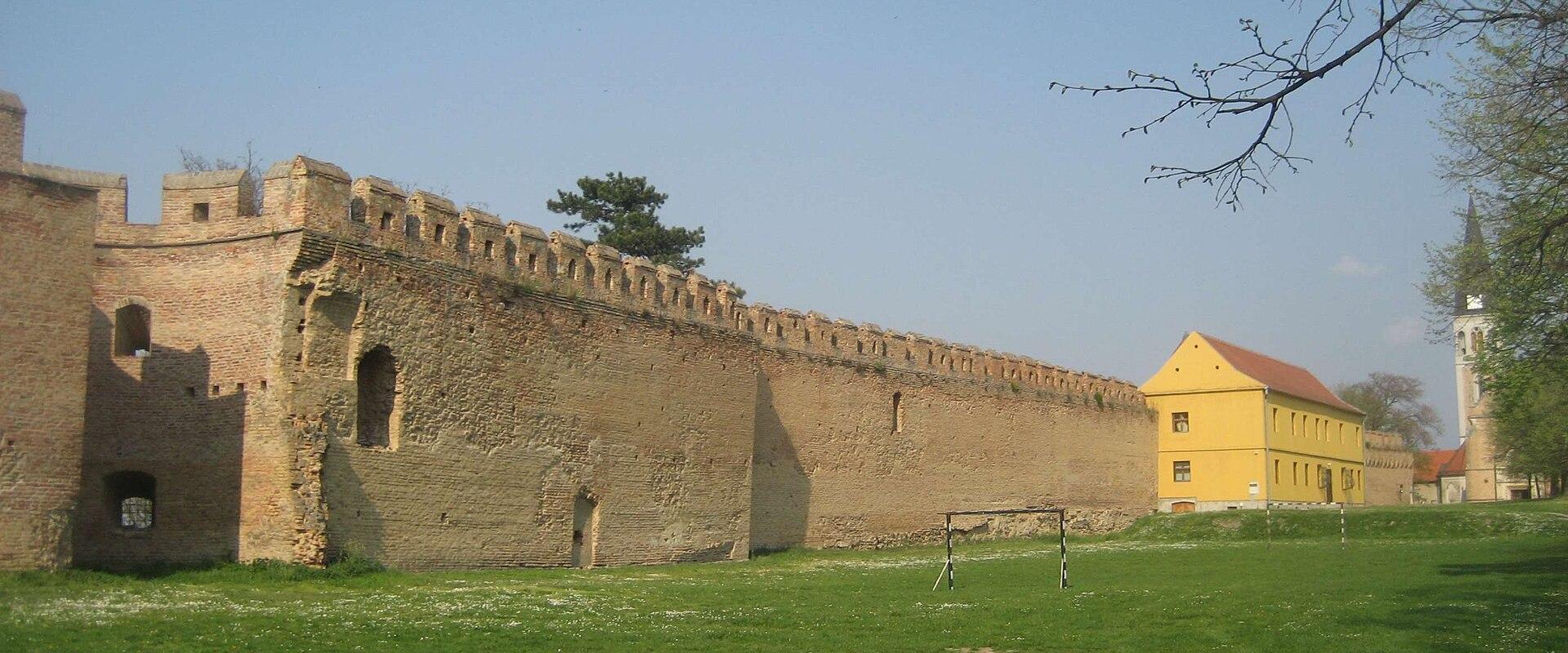
Japod fort Cvituša is an ancient hillfort near Lovinac, in the Lika region of inland Croatia, and it is one of the traces left by the Japodes, a people who lived in this part of the western Balkans long before the arrival of the Romans. The Japodes, also written Iapodes, were an Illyrian tribe, with strong Celtic influences, who settled the highlands of Lika and the neighbouring areas of present-day Bosnia and Herzegovina. They lived in fortified hilltop settlements, built dry stone ramparts and farmed and raised animals on the karst plains. Their culture is known for richly decorated bronze jewellery, amber and glass beads, and for the burial customs that archaeologists have studied in the region. In the first century BC, the Romans subdued them, and over the following centuries the Japod communities were gradually absorbed into the Roman province.
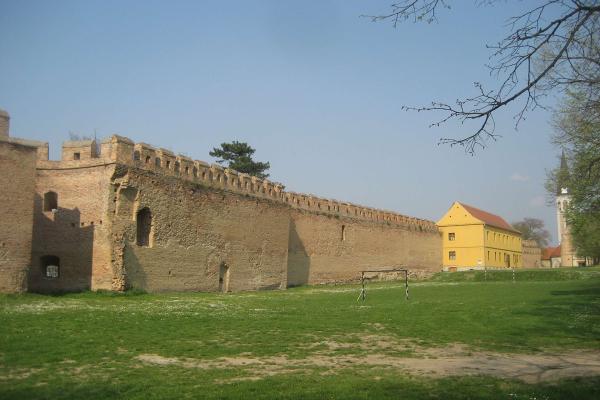
Cvituša belongs to this world. The site is on elevated ground, in a typical hillfort position, which gave the inhabitants good views over the fields below and early warning of any approach. What survives today is modest. Visitors will find earthworks, the lines of old ramparts and stone foundations rather than standing walls or reconstructed buildings, so the experience depends on the setting and on a little imagination. The reward is the landscape itself: open karst fields, scattered woods, farms and the long line of the Velebit mountain on the horizon. In clear weather, you can understand why early settlers chose this place.
The site is reached by local walking and cycling routes around Lovinac, and visitors can combine it with other sights. The Ličko Polje Trail, a marked walking route across the field, the reconstructed Roman road, the old Travić mill and the Zdunić tower, an old watchtower, offer a cross-section of Lika's history and rural life in a small area. The Lovinac area is known for farming, and Lika's potatoes are a local pride, with a potato day celebrated in autumn, so you may find local produce if you time the visit well. There are no opening hours or entrance fees, and the site can be explored freely at your own pace.
Preparation is important. There are few facilities, so bring water, a hat, sturdy shoes and a map or a downloaded route, and check with local tourist information for the best way to reach the fort. Lika has cold winters and sudden weather changes, so spring and early autumn are the best seasons for walking.
The fort suits archaeology enthusiasts, hikers, cyclists and travellers who want to see a quiet, little-known side of inland Croatia. Allow an hour or two, and combine it with a walk across the field.
Categories
More photos coming soon
Nearby Attractions
Other places to visit in Lovinac
Reconstructed Roman Road
Ancient Roman road preserved in Lovinac, Croatia
History & Heritage · Ancient Sites
Travić mill
19th-century watermill nestled in Lovinac's nature
Cultural Experiences · Food & Gastronomy
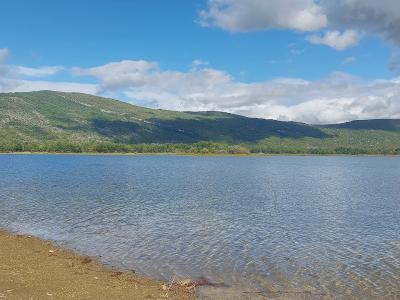
Lake Štikada
Serene karst lake nestled in Lika’s forests
Natural Wonders · Lakes
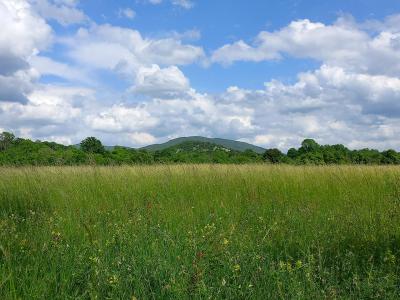
Ličko Polje Trail
Cycling route through ancient hillforts and karst landscapes
Activities & Adventure · Natural Wonders
Questions people ask
Quick Facts
Best Time to Visit
May to June and September offer mild weather, lush scenery, and ideal conditions for hiking, cycling, and exploring the Velebit mountains and caves.