







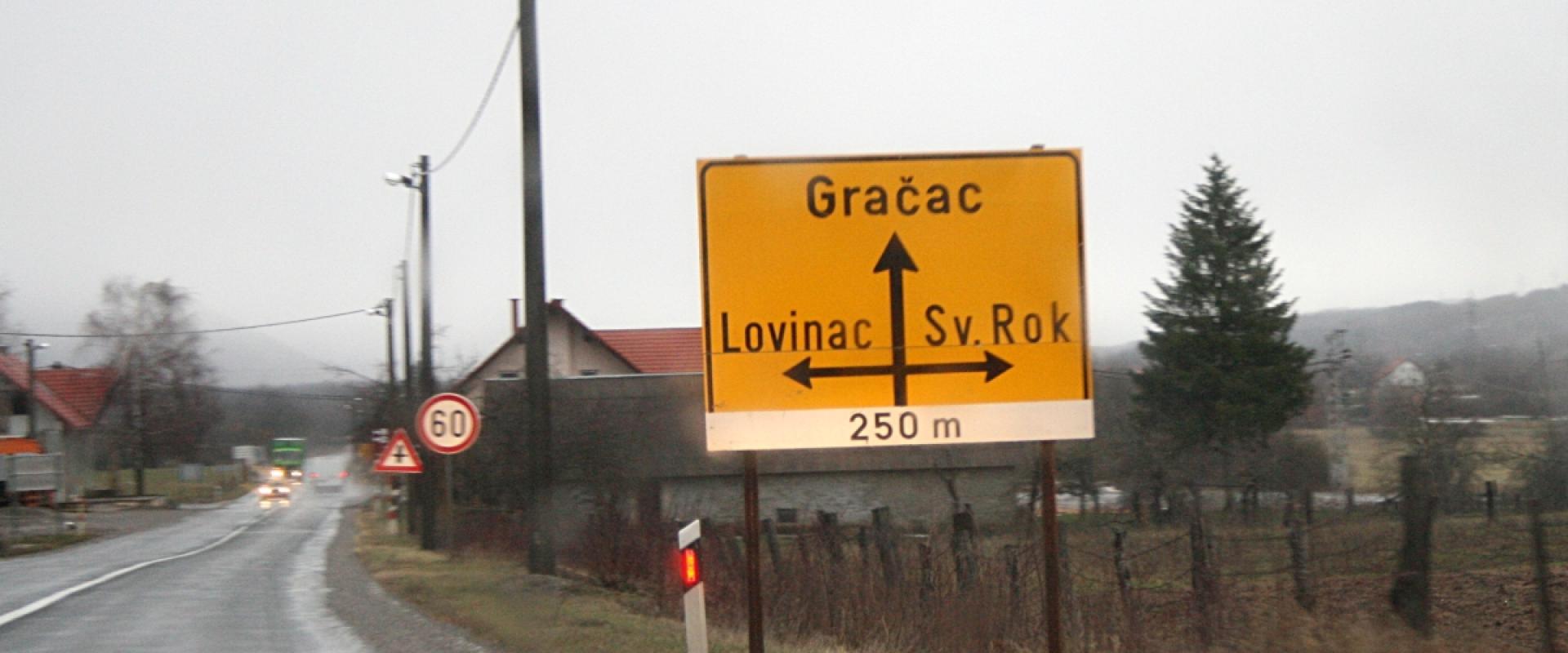
- Where
- Lovinac, Lika
- Directions
- Directions
Today the Reconstructed Roman Road in Lovinac is a short stretch of ancient-style paved track in the Lika region of Croatia, one of Croatia’s upland areas, in the Ličko Polje, the high karst plain that lies between the Velebit and Kapela mountains. It is a modest site, but it gives a physical sense of how the Romans moved through the interior of the Balkans, and it is part of a small group of heritage sights around the village.
Roman roads were the backbone of the empire. The Romans built them for armies first, to move troops and supplies quickly, and then for officials, traders and travellers, and a network of paved routes linked the coast of Dalmatia with the interior provinces. The area of Lika was inhabited by the Iapodes, a tribe whose fortified hilltop settlements are scattered across the region, and it was brought under Roman control in the decades before the Christian era. After that, roads and military posts connected the former tribal lands with the coast and the main towns, and over time the region became part of the wider Roman world.
A Roman road was built in layers, and a reconstruction helps show how. The builders cleared a trench, laid a bed of large stones, added layers of smaller stones and gravel, and finished the top with a surface of flat, tightly fitted stones. The road was slightly raised in the middle so that rain ran off to the sides, and ditches carried the water away. A well-made road could last for centuries, and in places sections survive to this day, showing the ruts worn by wheels. Walking on a reconstructed section gives an idea of the width, the hard surface and the straight line that were typical of Roman engineering.
The surroundings are part of the appeal. Lovinac’s village sits in open country with meadows, low hills and small stands of woodland, and the long horizon of the mountains gives the landscape a wild, spacious feeling. Nearby places add to the visit: the Iapodian hillfort known as Cvituša, the Zdunić tower, the old Travić mill and the Ličko Polje trail all lie within the same area and show different layers of the region’s history, from prehistoric to medieval and modern times.
There is no entry fee, and the road is open at any time and has no entry fee. Interpretive signs, where present, give background, and local guides can sometimes be arranged. Wear sturdy shoes and carry water. It suits history lovers, families with curious children and walkers who enjoy combining landscape with a little archaeology.
Categories
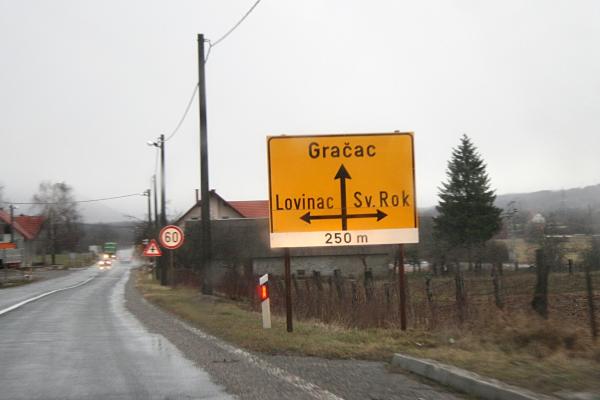
More photos coming soon
Nearby Attractions
Other places to visit in Lovinac
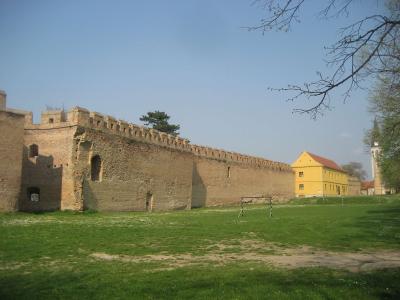
Japod fort Cvituša
Ancient Japod fort ruins amid Lika's nature
History & Heritage · Castles
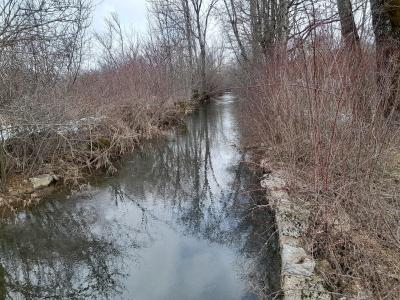
Travić mill
19th-century watermill nestled in Lovinac's nature
Cultural Experiences · Food & Gastronomy
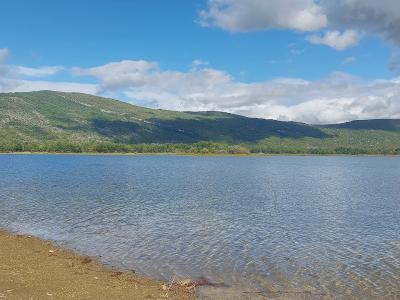
Lake Štikada
Serene karst lake nestled in Lika’s forests
Natural Wonders · Lakes
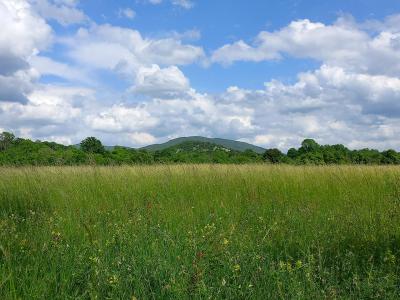
Ličko Polje Trail
Cycling route through ancient hillforts and karst landscapes
Activities & Adventure · Natural Wonders
Questions people ask
Quick Facts
Best Time to Visit
May to June and September offer mild weather, lush scenery, and ideal conditions for hiking, cycling, and exploring the Velebit mountains and caves.