







- Where
- Labin, Istria
- Directions
- Directions
The Labin City Museum is the main museum of Labin, the hilltop town in eastern Istria, in Croatia, that looks down over the Rabac coast of the Kvarner Bay. Visitors will find it in the old town on the hill, among the narrow stone streets, and it tells the story of a place whose history is dominated by two things: its ancient position as a fortified hill town and its more recent role as the centre of a coal-mining district.
Labin occupies a commanding position. The old town stands about three hundred metres above the sea on a steep hill, with views toward the Učka mountain, the islands of Cres and Krk and the coast, and the hill has been settled since prehistoric times. Romans, Venetians and later the Habsburgs all held it, and the old town, with its painted façades, loggia and tower, is one of the most picturesque in Istria and a gem of Istrian hill towns. The streets are steep and cobbled, lined with Baroque and Renaissance houses, and the town’s former importance can be read in the quality of its buildings.
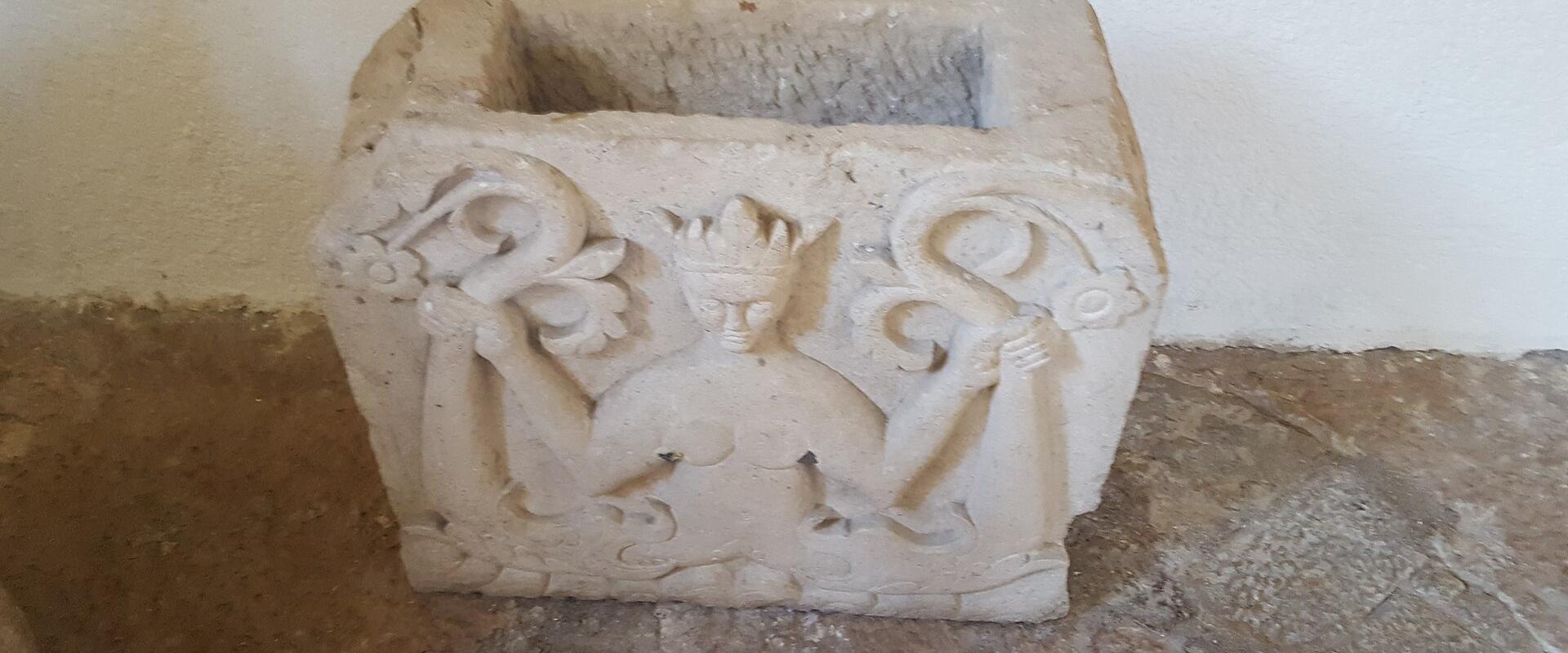
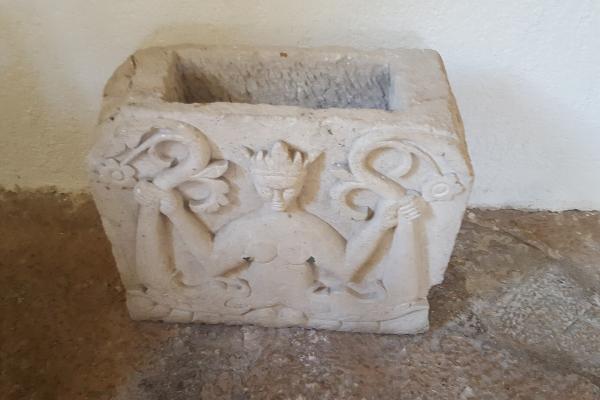
The museum collects the heritage of the area. Its collections cover archaeology, including finds from the prehistoric and Roman periods, history and ethnography, with objects that illustrate the way people lived and worked in Labin and its surroundings over centuries. A significant part of its attention goes to the coal mines. From the nineteenth century until the late twentieth, the Labin area was one of the main coal-mining centres of the Adriatic, extracting lignite from deep shafts, and thousands of workers, many of them migrants from other parts of Yugoslavia and Italy, lived in the district. The mining community developed a strong identity and a tradition of labour activism. In 1921, miners in Labin staged a famous uprising, known as the Labin Republic, which lasted for several weeks and became a symbol of workers’ resistance. For anyone interested, the museum helps visitors understand this social and economic history, with photographs, tools and documents.
The museum is complemented by other mining heritage in the town. A model mine with tunnels in the old town, run as a Mining Museum, lets visitors walk through reconstructed galleries, and the site of the Labin Coal Mine, the town’s outdoor sculptures and the Stari Trg, the main square, are close by. Labin is also known as the birthplace of the sixteenth-century theologian Matija Vlačić Ilirik, a figure in the Protestant Reformation.
Opening hours and ticket prices should be checked locally or on the tourist office’s resources, since small museums often keep seasonal hours. The museum suits history lovers, families and those interested in industrial heritage, and a visit takes about an hour. Wear comfortable shoes for the steep streets.
Categories
More photos coming soon
Nearby Attractions
Other places to visit in Labin
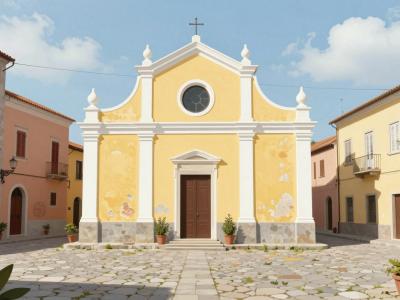
Stari trg (Main Square)
Historic square at Labin’s cultural heart
Cultural Experiences · Urban Exploration

Labin Loggia
16th-century Loggia at Labin’s historic main square
Cultural Experiences · History & Heritage
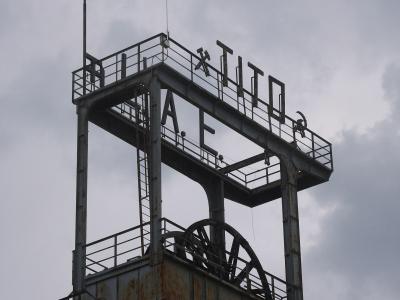
Labin Coal Mine
Former European mine, now heritage site
Cultural Experiences
Labin Town Tower
Medieval bell tower with panoramic Adriatic views
Cultural Experiences · History & Heritage
Questions people ask
Quick Facts
Best Time to Visit
April to October offers warm weather, lively festivals, and ideal conditions for sightseeing, hiking, and enjoying Labin’s beaches and art scene.