Labin’s history stretches back to Roman times, but it flourished in the Middle Ages as a fortified hilltop settlement. The town’s strategic location made it a center for trade, crafts and, later, coal mining, which shaped its development and culture for centuries. Under Venetian rule the town was walled and its palaces and loggia were built. The center of Labin is its medieval old town, a maze of narrow alleys, stone houses and hidden courtyards. Highlights include the Church of the Blessed Virgin Mary’s Birth, the 16th-century Labin Loggia and the Porta Sanfior city gate, also known as St. Florian’s Gate, which marks the main entrance. The Labin Town Tower and the old walls recall the town’s defensive past. The main square, Stari Trg, is lined with cafes, art galleries and boutiques, while the Labin Public Museum, housed in a former palace, shows the region’s mining history, art and ethnography. The little Teatrino, a small historic theatre in the old town, hosts concerts and performances.
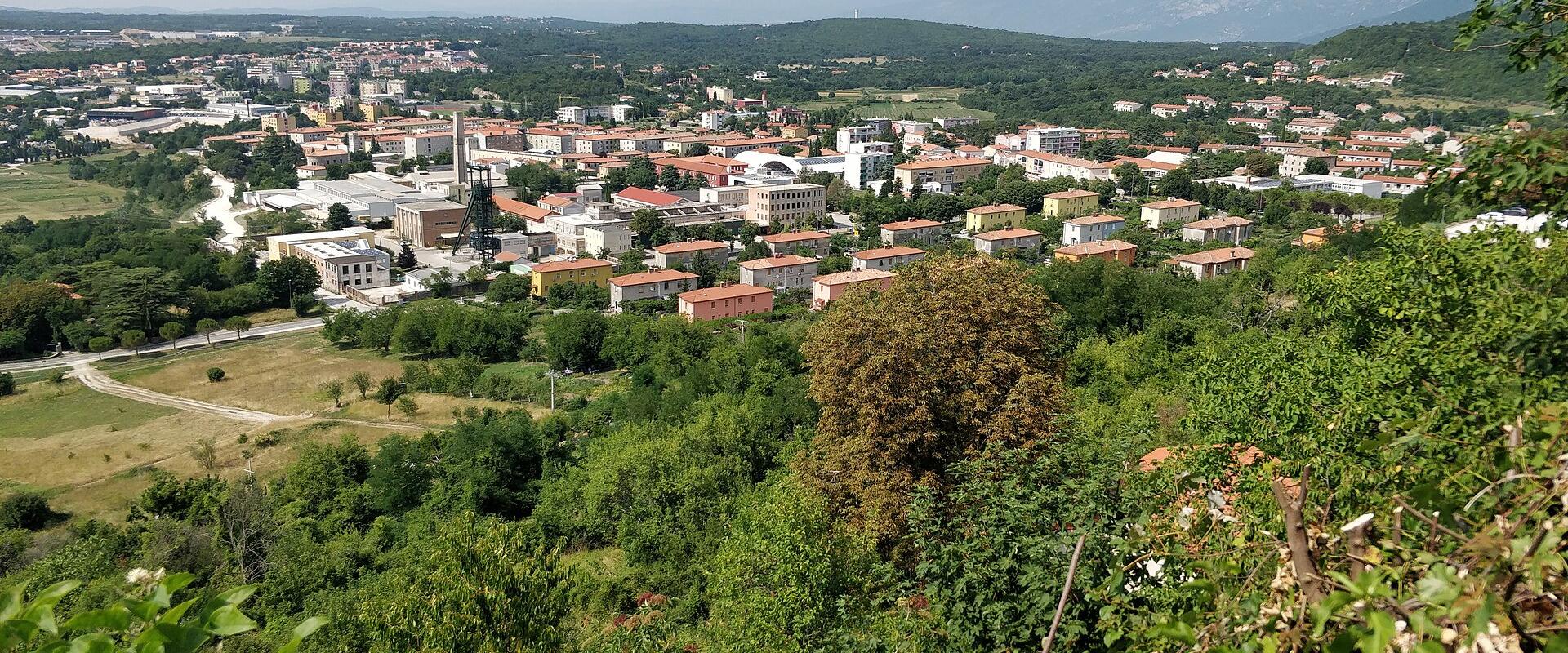
Coal shaped Labin more than anything else. The Mining Museum, a model mine under the old town, takes visitors through tunnels and shows how miners worked, and the Labin coal mine, which closed at the end of the 20th century, was one of the main employers of the region. In 1921 the miners rose against the Fascist authorities in what became known as the Labin Republic, a short but famous episode of resistance. This industrial and social history gives the town a depth that is unusual for a hill town.
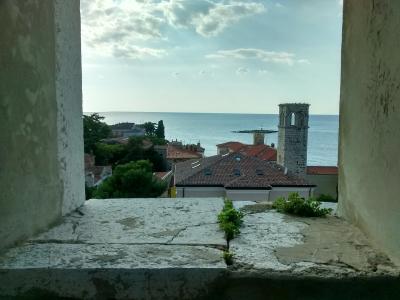
Labin is also known for its lively cultural scene, with art studios, workshops and open-air exhibitions. The Dubrova Sculpture Park, just outside the town, features contemporary sculptures set among meadows and forests, a unique blend of art and nature. The Fortica Viewpoint offers wide views of the Kvarner Bay, Rabac and the islands of Cres and Lošinj, which makes it a favorite spot for photography and relaxation, especially at sunset.
Outdoor activities abound in and around Labin. Hiking and cycling trails wind through the surrounding hills and forests and down to the beaches of Rabac, where visitors can swim, snorkel and enjoy water sports in the clear Adriatic waters. The Sentonina Staza Waterfall is a popular destination for nature lovers, and further along the coast Roman remains and old farmsteads can be found, so the area is a good place for walks with a mix of nature and history. Day trips to Pula, Rovinj and the Istrian interior are easily arranged by car or bicycle.
Cultural life in Labin is lively, with festivals, concerts and community events that celebrate local music, cuisine and traditions. The town’s restaurants and konobas serve fresh seafood, homemade pasta and regional wines, best enjoyed with a view of the sea or hills. Local markets and food festivals show the flavors of Istria, which makes Labin a favorite for food and wine lovers. Olive oil, truffles, fuži pasta and the red wine Teran are all typical, and the many small wine cellars of the hills welcome visitors by appointment.
Getting to Labin is straightforward. The town is accessible by road from Pula, about 40 km away, Rijeka and other regional centers, with regular buses and ample parking near the old town. Accommodation options range from hotels and guesthouses to private apartments and campsites, catering to all budgets and preferences.
The best time to visit Labin is from April to October, when the weather is warm, the sea is inviting and the town’s beaches, festivals and outdoor activities are in full swing. May, June and September offer milder temperatures, fewer crowds and excellent conditions for sightseeing, hiking and enjoying the relaxed pace of coastal life. Whether you seek history, art or a taste of Istrian culture, Labin offers a memorable and rewarding stay on the Istrian Peninsula.
Best time to visit
April to October offers warm weather, lively festivals, and ideal conditions for sightseeing, hiking, and enjoying Labin’s beaches and art scene.
What to see in Labin
Our picks first.
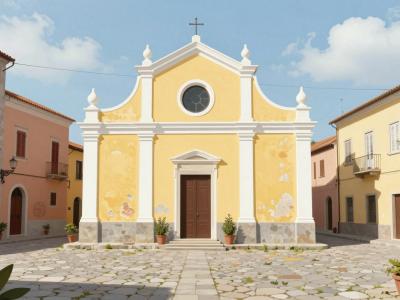
Stari trg (Main Square)
Historic square at Labin’s cultural heart
Cultural Experiences · Urban Exploration

Labin Loggia
16th-century Loggia at Labin’s historic main square
Cultural Experiences · History & Heritage
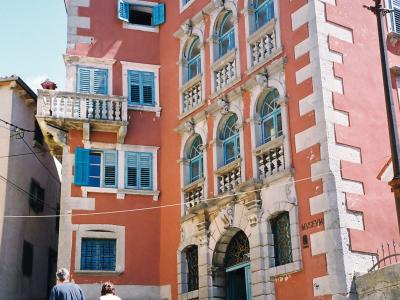
Mining Museum (model mine and tunnels in Old Town)
Authentic coal mine model with underground tunnels
Cultural Experiences · History & Heritage
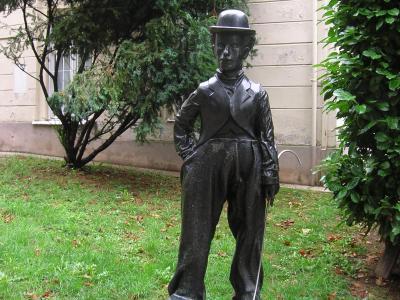
Outdoor Sculptures
Outdoor sculptures in Istrian limestone and nature
Cultural Experiences
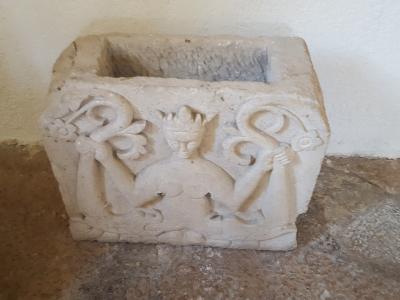
Labin City Museum
Museum in Labin's 14th-century town hall
Cultural Experiences · History & Heritage
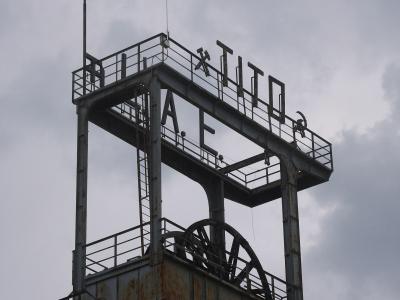
Labin Coal Mine
Former European mine, now heritage site
Cultural Experiences
Labin Town Tower
Medieval bell tower with panoramic Adriatic views
Cultural Experiences · History & Heritage
Labin by interest
The same sights, grouped by what you came for.
Did you know?
Checked facts about Labin, each with its source.
-
Film & TV
2021 Documentary Revisits the Miners' Republic
'Labin Republic' (Labinska republika), a 52-minute 2021 documentary by Goran Načinović, revisits the 1921 Labin miners' uprising, often regarded as one of the earliest organised anti-fascist resistance movements.
Source: Croatian Audiovisual Centre (HAVC) film catalogue -
History
Labin Miners Rose Against Fascists in 1921
On 2 March 1921 miners occupied the Labin coal mines and ran them as the self-governing 'Labin Republic' until Italian troops broke it up on 8 April. The Istrian tourist board calls it the first organised anti-fascist uprising in the world.
Source: Istria Tourist Board – Doživite Labin (dates: Searchlight Magazine, 2025) -
Notable Person
Lutheran Reformer Matthias Flacius Was Born Here
Labin is the birthplace of Matthias Flacius Illyricus (Matija Vlačić Ilirik, 1520–1575), a leading Lutheran theologian and collaborator of Martin Luther. The Franković-Vlačić Palace, traditionally his birth house, holds a memorial collection run by the Labin National Museum.
Source: Istria Tourist Board – Palača Franković-Vlačić
Planning a visit to Labin
Good to know
- Currency
- EUR
- Language
- Croatian